
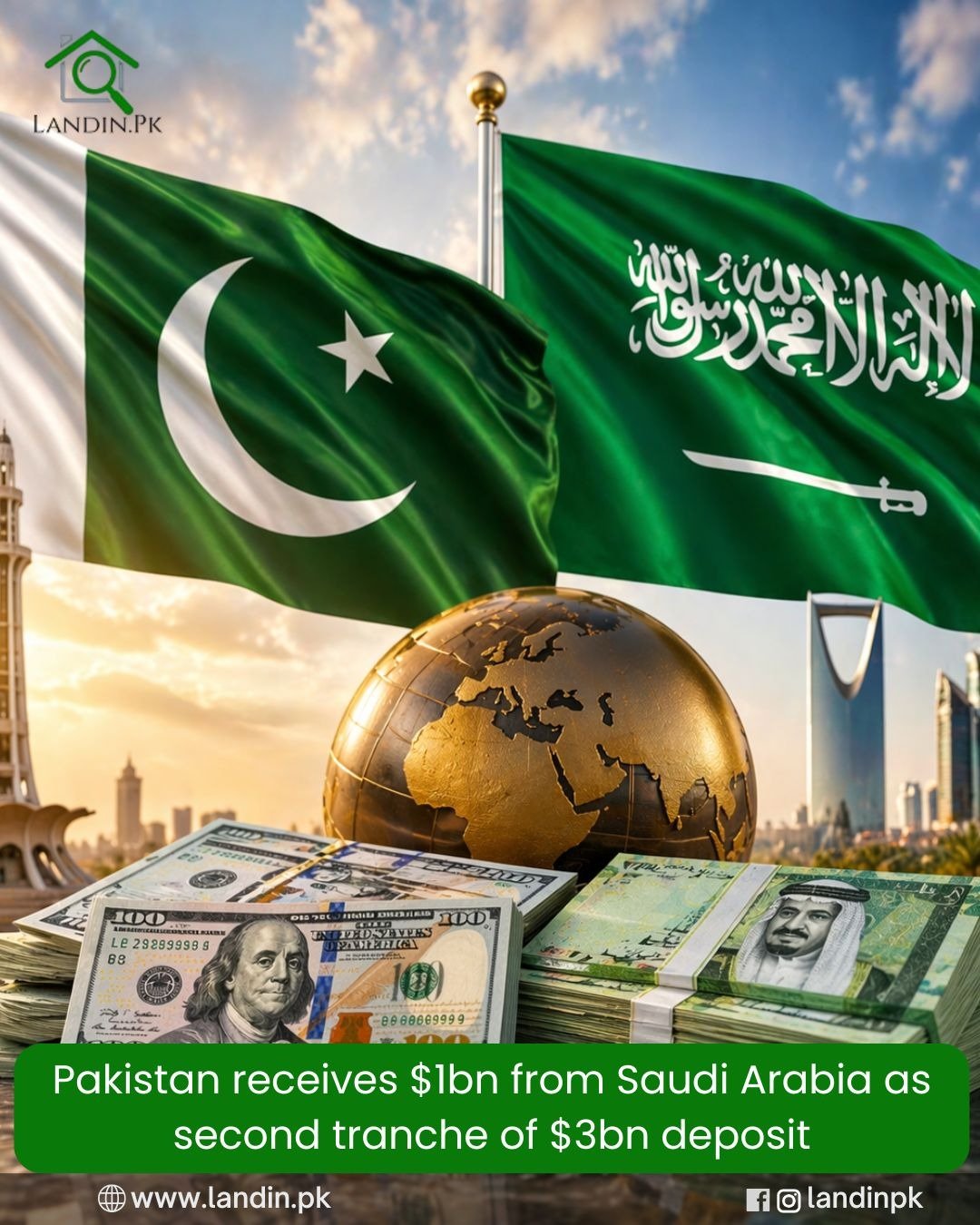
Pakistan economic landscape in 2026 continues to reflect a mix of recovery efforts and external reliance, with Saudi Arabia once again stepping in as a key financial partner. The recent transfer of $1 billion, part of a larger $3 billion deposit arrangement, highlights the ongoing role of Saudi support in maintaining economic stability during a period of fiscal pressure.
This development is not isolated. Instead, it reflects a long-standing economic relationship built on financial cooperation, energy ties, and strategic alignment. As the country navigates inflation, debt obligations, and global uncertainty, this partnership has become increasingly important. At the same time, it raises a critical question: does this support strengthen long-term resilience, or deepen dependency?
Pakistan – Saudi Economic Relations: A Strategic Partnership
Pakistan–Saudi economic relations have historically extended beyond short-term financial assistance. The partnership is rooted in decades of cooperation across energy, investment, and labor markets.
Saudi Arabia has consistently supported Pakistan through financial deposits, oil supply facilities, and deferred payment agreements. These arrangements have helped manage balance of payments pressures and maintain foreign exchange reserves during challenging periods.
In addition, remittances from Pakistani workers in Saudi Arabia play a significant role in supporting the economy. According to data from the State Bank of Pakistan, Saudi Arabia remains one of the largest sources of remittance inflows, contributing to household income and national reserves.
Furthermore, the relationship is supported by political and strategic alignment. Both countries maintain close diplomatic ties, which often translate into economic cooperation during periods of financial stress.
Pakistan’s Economy and Saudi Financial Support in 2026
In 2026, Pakistan’s economy continues to operate under structural pressures, including high external debt, inflation, and limited fiscal space. In this context, the recent $1 billion inflow from Saudi Arabia provides immediate relief by strengthening foreign exchange reserves.
This financial support is part of a broader $3 billion deposit facility placed with the State Bank of Pakistan. Such deposits are critical because they directly improve reserve levels, which in turn help stabilize the currency and maintain investor confidence.
At the same time, the country remains engaged with the International Monetary Fund under ongoing reform programs. These programs focus on fiscal discipline, revenue generation, and structural adjustments aimed at long-term economic stability.
However, while external inflows provide short-term support, they do not address underlying economic challenges. Issues such as a narrow export base, high import dependency, and low tax collection continue to limit sustainable growth.
Why External Financial Support Remains Necessary
Pakistan’s reliance on external support is closely linked to its structural economic constraints. One of the primary challenges is the persistent trade deficit, where imports consistently exceed exports.
Energy imports, in particular, place significant pressure on foreign exchange reserves. As global oil prices fluctuate, the cost of maintaining energy supply increases, making external financing more critical.
Additionally, debt servicing obligations require regular outflows of foreign currency. According to reports referenced by institutions such as the World Bank, developing economies like Pakistan often face challenges in balancing growth with debt sustainability.
As a result, financial assistance from partners such as Saudi Arabia helps bridge immediate gaps. It ensures that reserves remain at manageable levels and reduces the risk of currency volatility.
Economic Pressure and Global Dependencies in Pakistan
Global economic conditions also play a significant role in shaping Pakistan’s financial needs. Rising interest rates, geopolitical tensions, and disruptions in energy markets have increased uncertainty for emerging economies.
For instance, instability in key oil transit routes and fluctuations in global energy prices directly impact import costs. This, in turn, affects inflation and fiscal planning.
Moreover, access to international capital markets has become more challenging due to higher borrowing costs. As a result, bilateral support from countries like Saudi Arabia becomes a more viable option for immediate financial stability.
At the same time, these dependencies highlight the interconnected nature of global and domestic economic conditions. External shocks often translate into internal pressures, reinforcing the need for strategic partnerships.
Support or Dependence: A Growing Economic Debate
The continued financial support from Saudi Arabia has sparked an ongoing debate among economists and policymakers. On one hand, such assistance provides stability during periods of economic stress. It helps maintain reserves, supports the currency, and ensures continuity in essential imports.
On the other hand, repeated reliance on external funding raises concerns about long-term sustainability. Critics argue that without structural reforms, this pattern may lead to deeper economic dependence.
However, it is important to consider both perspectives. External support is often necessary for developing economies facing immediate fiscal challenges. At the same time, it should ideally complement internal reforms rather than replace them.
This balance between support and self-reliance remains central to the broader discussion on economic strategy.
What This Means for Pakistan’s Economic Future
Looking ahead, Pakistan’s economic trajectory will depend on its ability to reduce reliance on external assistance while strengthening internal capacity.
Key areas of focus include expanding exports, improving tax collection, and attracting foreign direct investment. In addition, investments in technology, infrastructure, and human capital can support long-term growth.
At the same time, maintaining strong relationships with strategic partners remains important. Countries like Saudi Arabia continue to play a critical role in providing financial stability during transitional phases.
Therefore, the goal is not to eliminate external support entirely, but to use it as a foundation for sustainable development. This requires a coordinated approach that combines policy reform with strategic partnerships.
Conclusion
Pakistan–Saudi economic relations in 2026 reflect both opportunity and challenge. The recent financial support underscores the strength of this partnership and its importance in maintaining short-term stability.
However, it also highlights the need for long-term economic reform. While external assistance provides immediate relief, sustainable growth depends on internal improvements.
As the country moves forward, the balance between support and independence will shape its economic future. The relationship with Saudi Arabia will remain a key factor, but the direction of growth will ultimately depend on how effectively internal challenges are addressed.


