
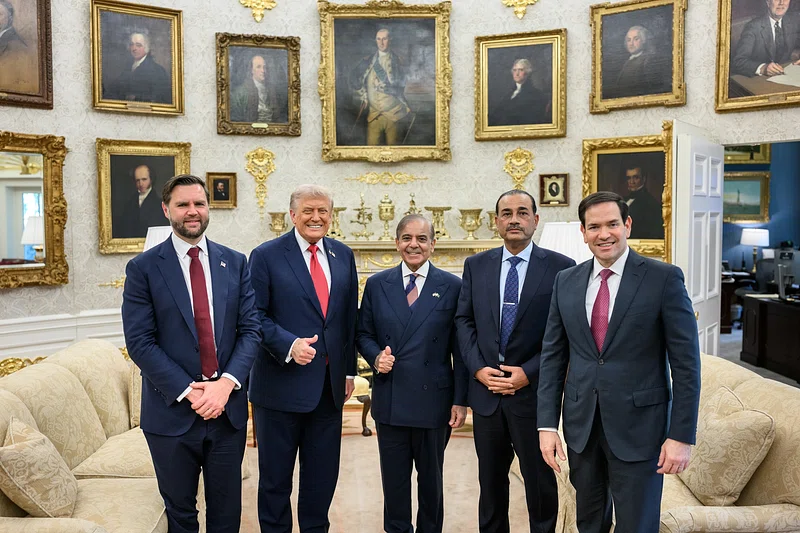
Islamabad, Pakistan is once again at the center of global diplomacy as it prepares to host the second round of negotiations between the United States and Iran. These talks are aimed at extending a fragile ceasefire and potentially laying the groundwork for a broader peace agreement. However, rising tensions in recent hours have introduced uncertainty, particularly around Tehran’s participation.
From the beginning of the conflict, Pakistan has maintained a consistent stance. It has condemned escalation, called for restraint, and actively encouraged dialogue between both sides. As a result, Islamabad has emerged as a neutral platform for negotiations, reflecting its broader effort to stabilize the region through diplomacy.
The upcoming talks are taking place under pressure, with the deadline for a two-week ceasefire approaching. Whether both sides will fully engage remains unclear.
Pakistan’s Role in US–Iran Talks and the First Round in Islamabad
Pakistan first positioned itself as a mediator by offering Islamabad as neutral ground for negotiations in late March 2026. This initiative was part of its broader diplomatic approach to reduce tensions and prevent further escalation in the region.
The first round of talks took place on April 11, 2026, in Islamabad. Delegations from both the United States and Iran participated, raising cautious optimism about the possibility of a diplomatic breakthrough.
However, the discussions concluded without a formal agreement. Key issues, including ceasefire violations, regional security concerns, and trust deficits, remained unresolved. As a result, both delegations returned to their respective countries without securing a deal.
Despite the lack of immediate outcomes, the talks were considered a critical step in keeping diplomatic channels open. They established a foundation for continued engagement, which has now led to preparations for a second round.
Pakistan Prepares for Phase Two as Tensions Escalate
Pakistan is now preparing to host the second phase of negotiations, expected to begin in mid-April 2026. Unlike the first round, which was relatively brief, this round could extend over multiple days.
According to sources cited by Al Jazeera, mediators are working toward a temporary agreement in the form of a memorandum of understanding. This proposed framework aims to extend the current ceasefire and provide negotiators with additional time, potentially up to 60 days, to work toward a comprehensive peace deal.
However, the success of these talks depends heavily on Iran’s participation. As of the latest developments, Tehran has not confirmed whether it will send its delegation to Islamabad. This uncertainty follows a rapid escalation in tensions over the past 24 hours.
In preparation for the arrival of foreign delegations, authorities in Islamabad have implemented strict security and logistical measures. According to official statements, the Red Zone and Extended Red Zone areas of the capital have been completely closed to all kinds of traffic. Alternative traffic plans have been introduced and will remain in place until further notice.
Additionally, the Cabinet Division has directed all ministries, divisions, and federal government offices located within the Red Zone to adopt a work-from-home arrangement on April 20. These measures highlight the scale and sensitivity of the upcoming diplomatic engagement.
Trump’s Statement and Renewed Strain in Negotiations
US President Donald Trump confirmed that American representatives would travel to Pakistan for the second round of talks. In a statement shared on Truth Social, he said:
“My Representatives are going to Islamabad, Pakistan. They will be there tomorrow evening, for Negotiations.”
At the same time, he accused Iran of violating the ceasefire agreement. According to his statement, Iranian gunboats fired on vessels in the Strait of Hormuz, targeting ships including a French vessel and a British freighter.
This development has added significant pressure to the negotiation process. While the United States has signaled readiness to proceed with talks, the tone of the statement reflects growing frustration and renewed strain between the two sides.
Iran’s Position and Uncertainty Over Participation
Iran’s response remains less clear. As of now, it has not officially confirmed whether it will participate in the second round of negotiations in Islamabad.
Reports suggest that recent developments, including accusations of ceasefire violations and rising military tensions, have complicated Tehran’s position. The lack of confirmation has raised concerns about whether the talks will proceed as planned.
This uncertainty highlights the fragile nature of the current ceasefire. Without full participation from both sides, the likelihood of reaching even a temporary agreement becomes significantly lower.
Global Implications and the Strait of Hormuz Factor
The negotiations are not only important for the United States and Iran but also for global stability. One of the key areas of concern is the Strait of Hormuz, a critical route for global oil shipments.
Any disruption in this region can have immediate economic consequences, including rising energy prices and instability in international markets. The recent incidents involving vessels in the strait have further increased these concerns.
In this context, Pakistan’s efforts to facilitate dialogue take on greater significance. By hosting negotiations, it is contributing to broader international attempts to prevent escalation and maintain stability.
Pakistan’s Diplomatic Efforts and Changing Global Perception
Pakistan’s consistent push for dialogue reflects a broader diplomatic strategy. It has engaged both sides while maintaining neutrality, positioning itself as a credible mediator in a highly sensitive conflict.
These efforts are gradually influencing how it is perceived globally. For years, it has faced criticism and skepticism in international discourse. However, its role in facilitating negotiations between major powers presents a different narrative.
By working to prevent further escalation and providing a platform for dialogue, it is demonstrating its capacity to contribute to peace and stability. This shift is significant, particularly in a region often defined by conflict.
Conclusion
The second phase of US–Iran negotiations in Islamabad represents a critical moment in ongoing diplomatic efforts. While the objective is to extend the ceasefire and move toward a broader agreement, the process remains uncertain due to rising tensions and questions surrounding participation.
Pakistan’s role in hosting these talks underscores its strategic importance and its commitment to regional stability. By continuing to facilitate dialogue, it is helping keep diplomatic channels open at a time when escalation remains a real risk.
As the deadline for the ceasefire approaches, the outcome of these negotiations will be closely watched. Whether they lead to progress or further delays, they highlight the importance of diplomacy in addressing complex global challenges.


