
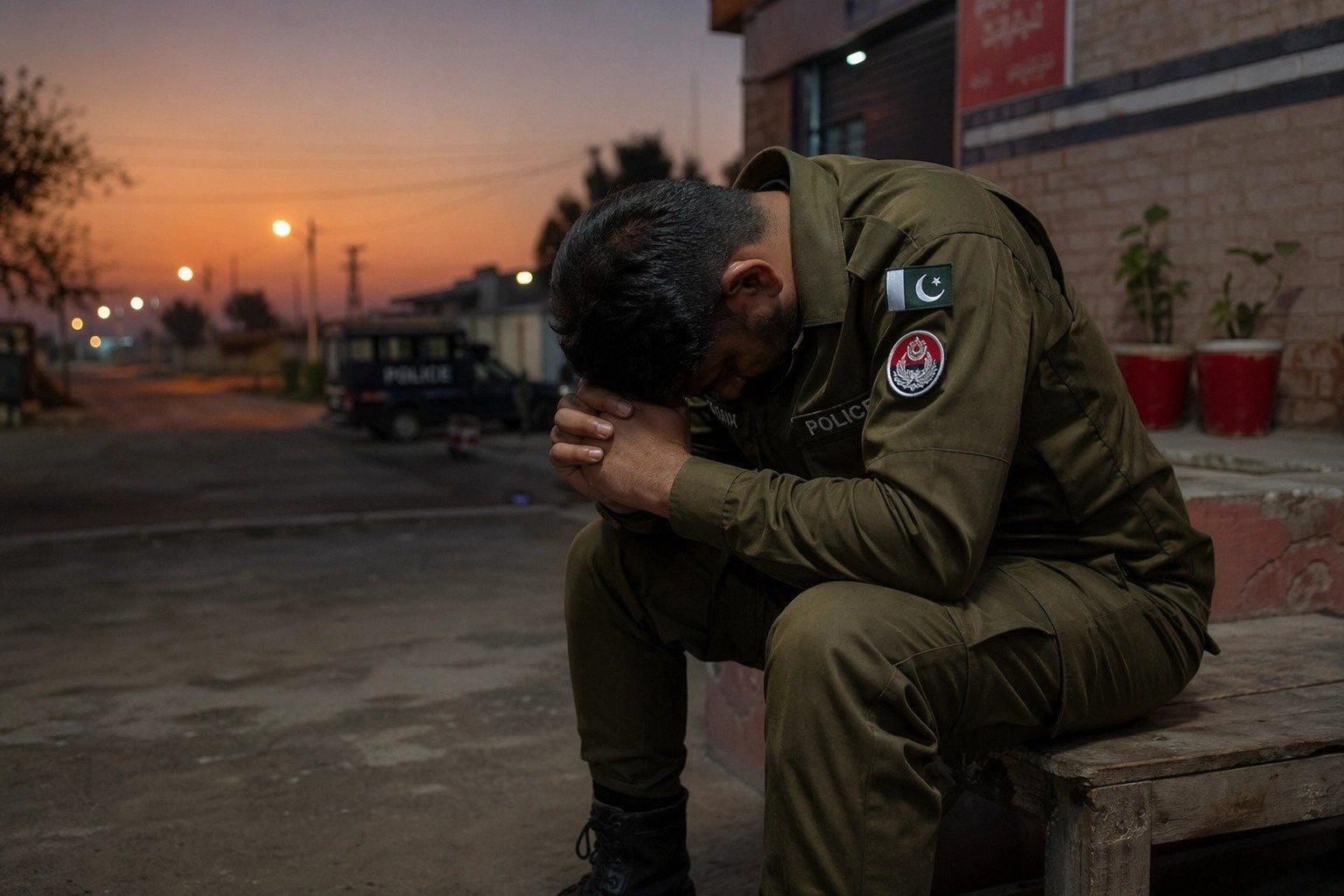
As Islamabad prepares to host high-level foreign delegations, the city reflects both pride and pressure. For every headline about diplomacy and global engagement, there is a quieter story unfolding on the streets. A police officer stands at the center of that story, managing long hours, restricted movement, and the responsibility of maintaining order during a critical moment.
This period highlights an important reality. While the country, Pakistan, positions itself as a responsible host on the global stage, the demands of such events often extend into the daily lives of those working behind the scenes. Among them are security personnel who ensure that everything runs smoothly, even when it comes at a personal cost.
The Role Of a Police Officer in Islamabad’s Security Operations
A police officer plays a central role in maintaining law and order during high-profile visits and diplomatic engagements. In Islamabad, particularly within the Red Zone and surrounding areas, security arrangements intensify significantly whenever foreign delegations arrive.
According to official updates and public notices, authorities often implement strict measures such as road closures, restricted access points, and increased surveillance. These steps are designed to ensure safety and smooth movement for visiting dignitaries.
However, behind these arrangements is a workforce operating extended shifts. Officers are deployed across multiple checkpoints, managing traffic flow, enforcing restrictions, and responding to unexpected situations. Their role becomes even more demanding when events extend beyond initial timelines.
At the same time, institutions such as the Islamabad Police and administrative bodies coordinate closely to maintain security standards. This coordination reflects the scale of planning required for such events.
A Police Officer: Long Hours and Personal Sacrifices
For a police officer, long duty hours are not unusual during national or international events. However, during periods of heightened security, these hours can stretch further, often with limited breaks.
Many officers remain on duty for extended periods, managing both physical fatigue and mental pressure. The nature of the job requires constant alertness, which becomes more challenging over time.
At a personal level, this translates into missed moments at home. Families wait, often without clear information about when their loved ones will return. A simple question like “Ghar kab ao gai?” becomes a reflection of that uncertainty.
While official schedules may outline duty hours, real conditions on the ground can change quickly. Delays in diplomatic engagements or unexpected developments can extend deployments without notice.
Citywide Disruptions and Their Wider Impact
The impact of these security arrangements is not limited to those on duty. Residents of Islamabad and Rawalpindi also experience disruptions in their daily routines.
Traffic restrictions in key areas, especially around the Red Zone, affect commuting patterns. In some cases, public transport services are temporarily halted or rerouted. Reports indicate that during high-level visits, authorities may advise work-from-home arrangements for certain government offices to reduce congestion.
For many people, these changes create delays in reaching workplaces, schools, or essential services. Bus stations and ride routes may be affected, making it difficult for individuals to move freely across the city. At the same time, businesses operating in restricted zones often experience reduced foot traffic. This can impact daily earnings, especially for small vendors and service providers.
Hosting with Responsibility: Pakistan’s Diplomatic Efforts
Despite these challenges, Pakistan’s efforts to host international delegations reflect its commitment to diplomatic engagement and regional stability. Providing a secure and organized environment is a key part of this responsibility.
Hosting such events allows the country to strengthen its global relationships and position itself as a facilitator of dialogue. In recent weeks, Islamabad has been at the center of important discussions, reinforcing its role as a neutral ground for negotiations.
However, these efforts require careful coordination between multiple institutions. Law enforcement agencies, administrative bodies, and support services work together to ensure that arrangements meet international standards. While the benefits of such engagement are long-term, the immediate demands are felt at a local level.
Between Duty and Daily Life: A Shared Experience
The story of a police officer during this period is not isolated. It connects with the broader experience of residents navigating the same environment.
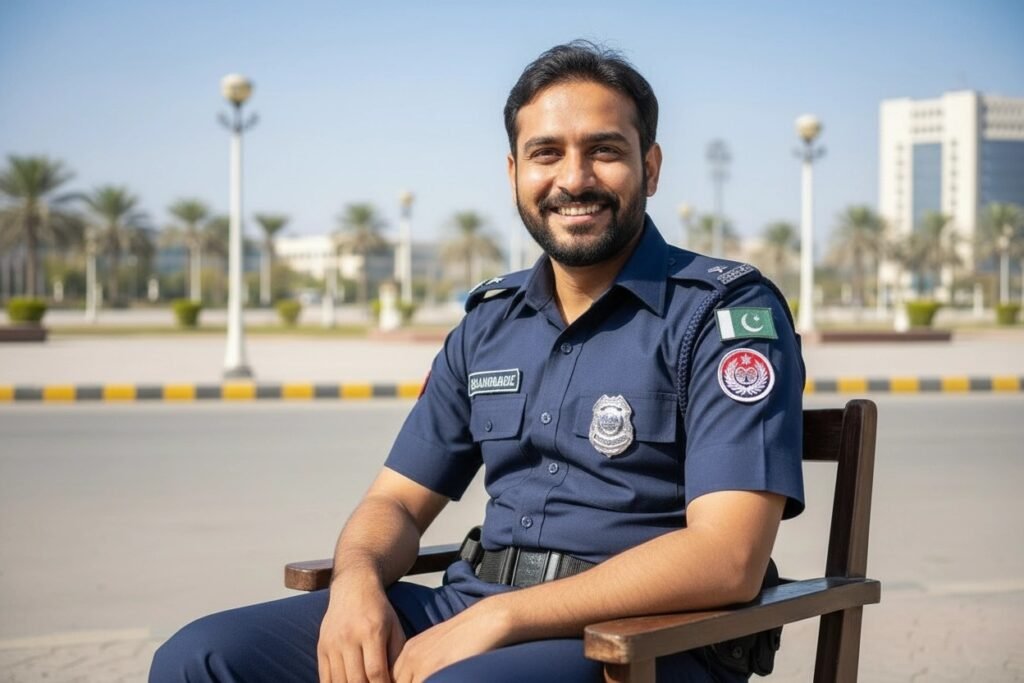
On one side, there is a sense of national responsibility and pride in hosting important global events. On the other, there is a practical reality of delays, restricted movement, and disrupted routines.
Families waiting at home, commuters adjusting their schedules, and workers managing uncertainty all become part of this shared experience.
This dual perspective highlights an important balance. National efforts often require collective adjustment, but they also bring attention to the need for efficient planning and communication.
Looking Ahead: Managing Impact While Maintaining Security
As Islamabad continues to host international engagements, the focus remains on improving how such events are managed. Clear communication, timely updates, and efficient traffic planning can help reduce disruptions.
At the same time, acknowledging the role of frontline workers is essential. Police officers and other security personnel contribute significantly to the success of these events, often without visibility.
Improving working conditions, ensuring reasonable shift rotations, and providing adequate support can help maintain both performance and well-being.
For residents, access to reliable information can make a meaningful difference in planning daily activities. This includes updates on road closures, transport changes, and expected timelines.
Conclusion
The question “Ghar kab ao gai?” captures a simple yet powerful reality. It reflects the human side of large-scale national efforts, where professional responsibilities intersect with personal lives.
Islamabad’s role as a host for international delegations highlights its importance on the global stage. At the same time, it brings attention to the individuals who make these efforts possible.
From police officers managing long hours to families waiting at home, each perspective adds depth to the story. As the city moves forward, balancing national priorities with everyday realities will remain key to creating a more inclusive and well-managed experience for all.


