
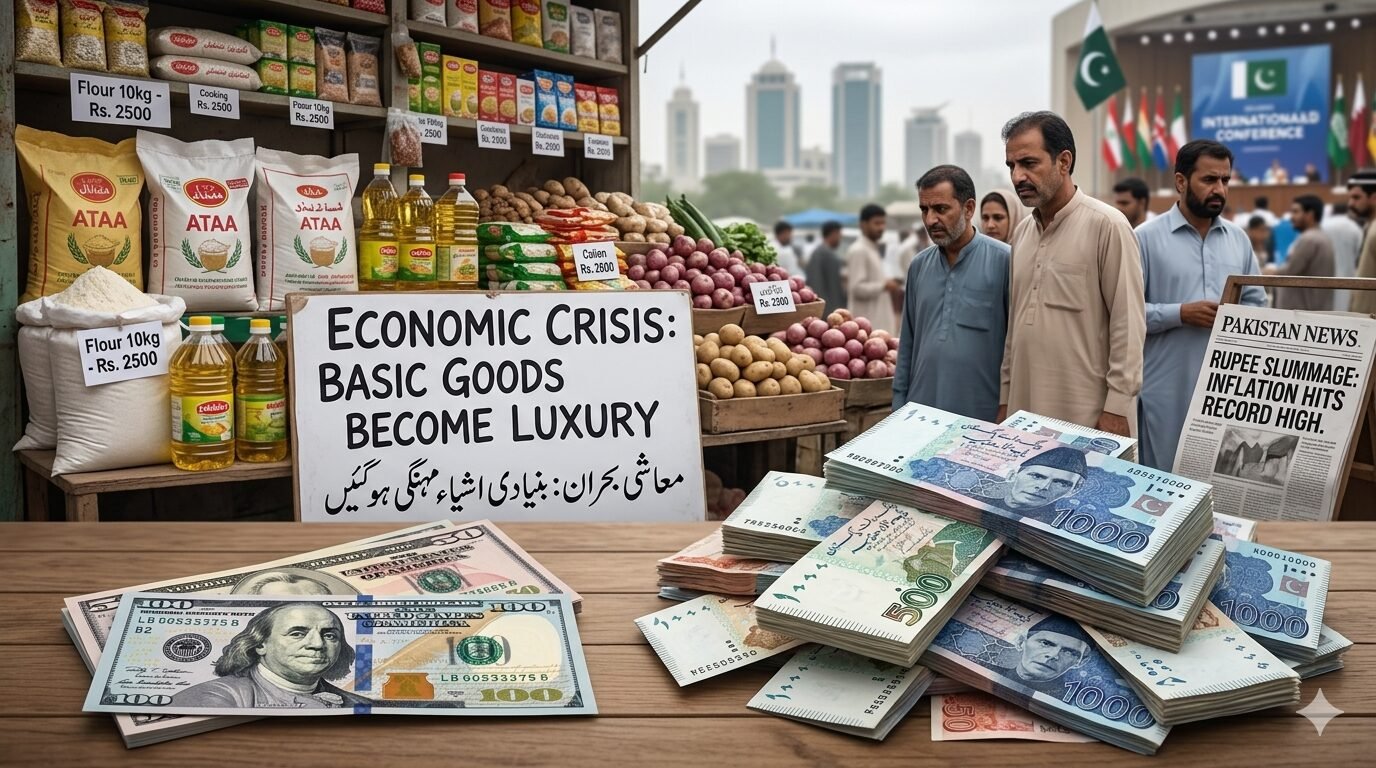
Inflation in Pakistan has become one of the most talked-about realities in daily life, even as the country receives global recognition for its diplomacy and regional role. On one hand, Islamabad is hosting important meetings and welcoming foreign delegations. On the other, many citizens are trying to manage rising costs and uncertain financial conditions.
This contrast is shaping everyday conversations. While headlines focus on diplomacy and international engagement, households are focused on groceries, fuel, and basic expenses. Understanding both sides helps explain the full picture of where the country stands today.
Inflation in Pakistan: A Growing Pressure on Daily Life
Inflation in Pakistan has steadily affected how people live, spend, and plan. Prices of essential goods have increased, and incomes have not always kept up. As a result, many families are adjusting their lifestyles.
Rising Cost of Essentials
Food prices have seen consistent increases. Basic items like flour, vegetables, and cooking oil now take up a larger portion of household income. This makes budgeting more difficult, especially for middle and lower income families.
Rise in Petrol Prices
The rise in petrol prices has added another layer of pressure. Fuel costs impact almost everything, from transportation to delivery services. When petrol prices increase, the effect spreads across the entire economy.
Impact on Urban Life in Islamabad
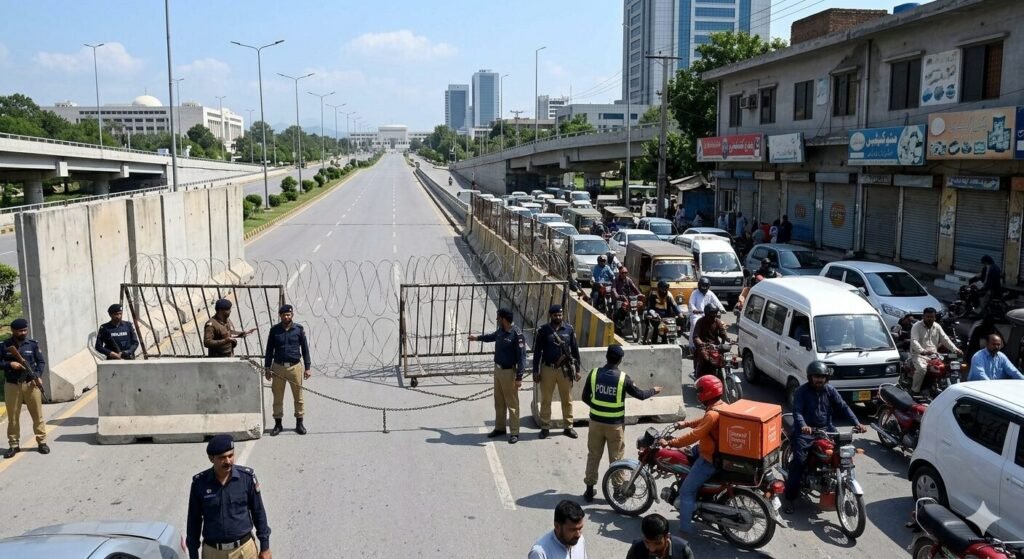
In cities like Islamabad, the cost of living feels even higher. Rent, utilities, and daily expenses continue to rise. At the same time, traffic restrictions and city closures linked to official events can disrupt routines, adding indirect costs for commuters and workers.
Wider Economic Effects
The economy is showing signs of stabilization in some areas. However, inflation continues to affect purchasing power. Even when growth indicators improve, people may not immediately feel relief in their daily lives.
Inflation in Pakistan and Diplomacy: Two Realities at Once
While inflation in Pakistan affects households, the country is also playing an active role on the global stage. Recent weeks have seen Islamabad hosting a foreign delegation in Pakistan, reflecting its growing importance in diplomacy.
A Strong Diplomatic Presence
Pakistan has positioned itself as a neutral ground for dialogue. Hosting international discussions strengthens its global image and builds long-term relationships. These efforts are important for regional stability and economic cooperation.
The Cost of Hosting and Security Measures
However, hosting high-level meetings requires strict security arrangements. Road closures, restricted zones, and increased police presence become part of daily life. These measures, although necessary, can slow down movement and affect businesses.
Public Perception and Daily Experience
This creates a mixed experience for citizens. There is pride in seeing the country recognized internationally. At the same time, there is frustration when daily routines are disrupted or when economic pressure continues.
Balancing Image and Impact
Diplomacy brings long-term benefits, including potential investment and stronger partnerships. Yet, the immediate impact on citizens highlights the need for balance between global engagement and local well-being.
Living Between Progress and Pressure
Life in Pakistan today feels like a balance between two different realities. On one side, there is visible progress through diplomacy, international engagement, and efforts to stabilize the economy. On the other side, there is the daily experience of managing expenses, adjusting to rising petrol prices, and dealing with the effects of inflation.
For many people, the conversation is not about whether the country is moving forward. It is about when that progress will be felt at a personal level. Families continue to plan carefully, cut down on non-essential spending, and look for ways to manage rising costs.
At the same time, there is a sense of resilience. People adapt, businesses adjust, and communities find ways to support each other. This ability to move forward despite challenges is an important part of the country’s social fabric.
Looking ahead, the key question remains how economic improvements can translate into real relief for citizens. Sustainable growth, stable prices, and consistent policies will play an important role in shaping that future.
FAQs
Why is Inflation in Pakistan so high?
It is influenced by global economic conditions, currency fluctuations, and rising import costs, especially for energy and food.
Why is inflation in Pakistan so high right now?
It is influenced by global economic conditions, currency fluctuations, and rising import costs, especially for energy and food.
2. How does the rise in petrol prices affect daily life?
Higher fuel prices increase transportation and delivery costs, which then raise the price of goods and services.
3. What role does diplomacy play in the economy?
Diplomacy helps build international relationships, attract investment, and improve long-term economic stability.
4. Why is Islamabad often affected during foreign visits?
As the capital city, Islamabad hosts foreign delegations. This requires security measures that can impact traffic and daily routines.
5. Will the economy improve in the near future?
There are signs of stabilization, but improvements in daily life depend on how quickly inflation is controlled and growth becomes more inclusive.


