
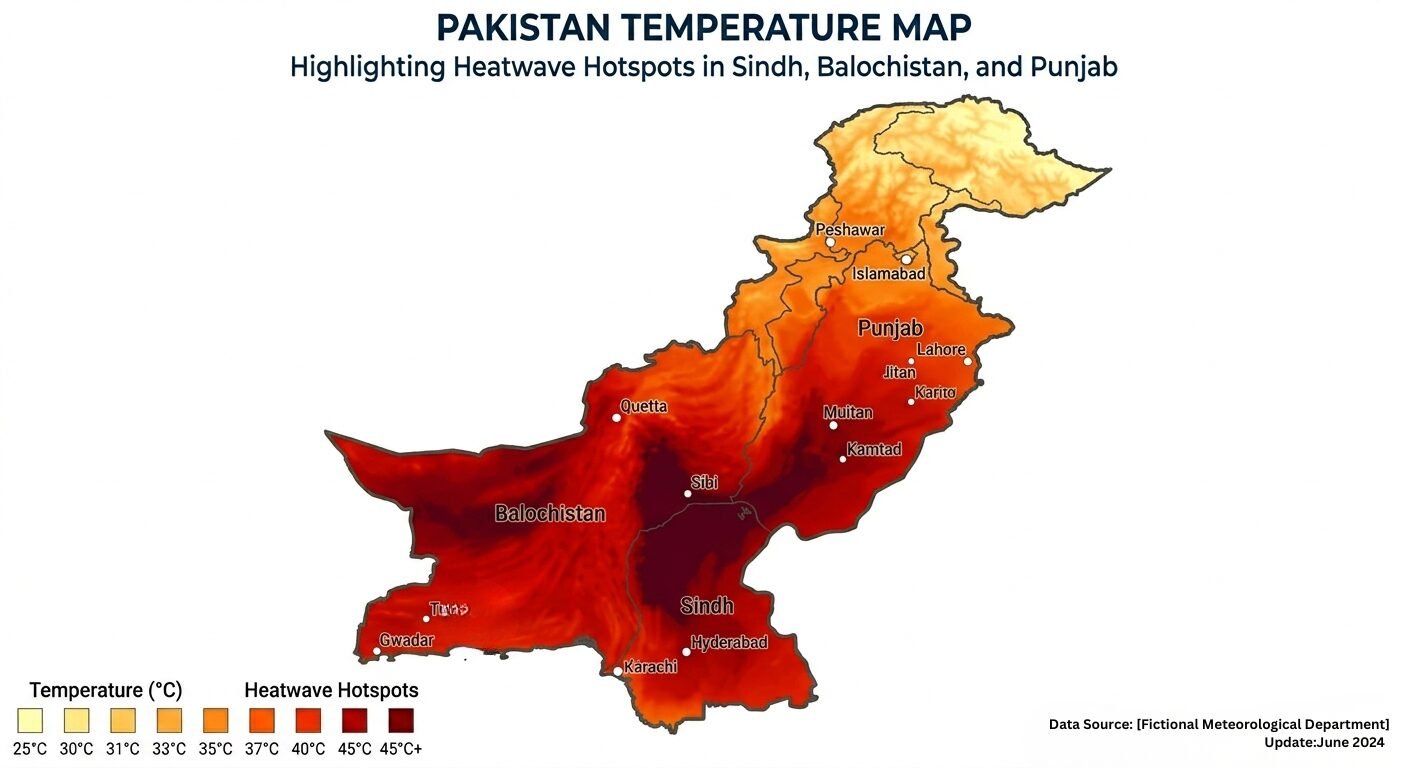
Pakistan is burning. Every summer, the heatwave in Pakistan breaks new records — and the toll on human life keeps rising. In recent years, temperatures in cities like Jacobabad have soared past 50°C, making them some of the hottest inhabited places on Earth.
But this isn’t just a weather problem. It’s a climate emergency, a public health crisis, and an urban planning failure — all happening at the same time.
1. What Is a Heatwave?
A heatwave is not just one hot day. It’s a prolonged stretch of unusually high temperatures that push the human body and entire societies to their limits.
How Hot Is Too Hot?
The World Health Organization (WHO) defines a heatwave as temperatures that remain 5°C above the historical average maximum for at least five consecutive days. Learn more from the WHO’s heat and health factsheet.
In Pakistan, “normal” summer temperatures already range from 38°C to 45°C across much of the country. So when a heatwave hits, it doesn’t feel like a bump, it feels like a wall.
Why Pakistan Is Especially Vulnerable
Pakistan’s geography works against it. The country borders the Thar Desert, has limited forest cover, and hosts a fast-growing urban population. Add in unreliable electricity, frequent water shortages, and poverty — and you have a nation highly exposed to heat risk with very little cushion to absorb the shock.
2. How Bad Is the Heatwave in Pakistan?
It’s getting worse with each passing year.
Recent and Record-Breaking Events
In May 2022, a severe heatwave in Pakistan pushed temperatures above 49°C in Jacobabad and Sibi. Crops failed across Sindh. Power grids collapsed under peak demand. Dozens of deaths were confirmed within days — and many more went unreported.
In 2023, parts of Balochistan and Sindh endured heatwaves lasting over three weeks without meaningful relief. The Pakistan Meteorological Department issued its earliest-ever official heatwave warning that year, a sign of how rapidly the crisis is escalating. View current weather alerts at the Pakistan Meteorological Department.
Cities Bearing the Brunt
Not every city suffers equally. These four are hit the hardest:
- Jacobabad, Sindh — Regularly records the country’s highest temperatures, sometimes breaching 52°C
- Sibi, Balochistan — A historic heat capital, known for weeks-long extreme heat events
- Karachi — Vulnerable to the urban “heat island” effect due to dense concrete and a population of over 15 million
- Multan, Punjab — Experiences long-duration heatwaves with little natural cooling from wind or water
3. The Root Causes Behind the Crisis
The heatwave in Pakistan does not happen in isolation. It is driven by a layered mix of global forces and local failures.
Climate Change: The Driving Force
Climate change is the single biggest reason behind Pakistan’s rising temperatures. Global greenhouse gas emissions are trapping heat in the atmosphere and pushing regional climates to extremes.
Here’s the cruel irony: Pakistan contributes less than 1% of global emissions, yet it ranks among the top 10 most climate-vulnerable nations in the world, according to the Global Climate Risk Index by Germanwatch. Rising sea surface temperatures in the Arabian Sea also push hotter and drier conditions across Pakistan’s interior.
Urban Planning and the Heat Trap
Cities like Karachi and Lahore have grown at breakneck speed — but without smart urban planning. Roads, rooftops, and concrete buildings absorb solar heat all day and release it slowly at night. This creates what scientists call the “urban heat island” effect, making cities several degrees hotter than surrounding rural areas.
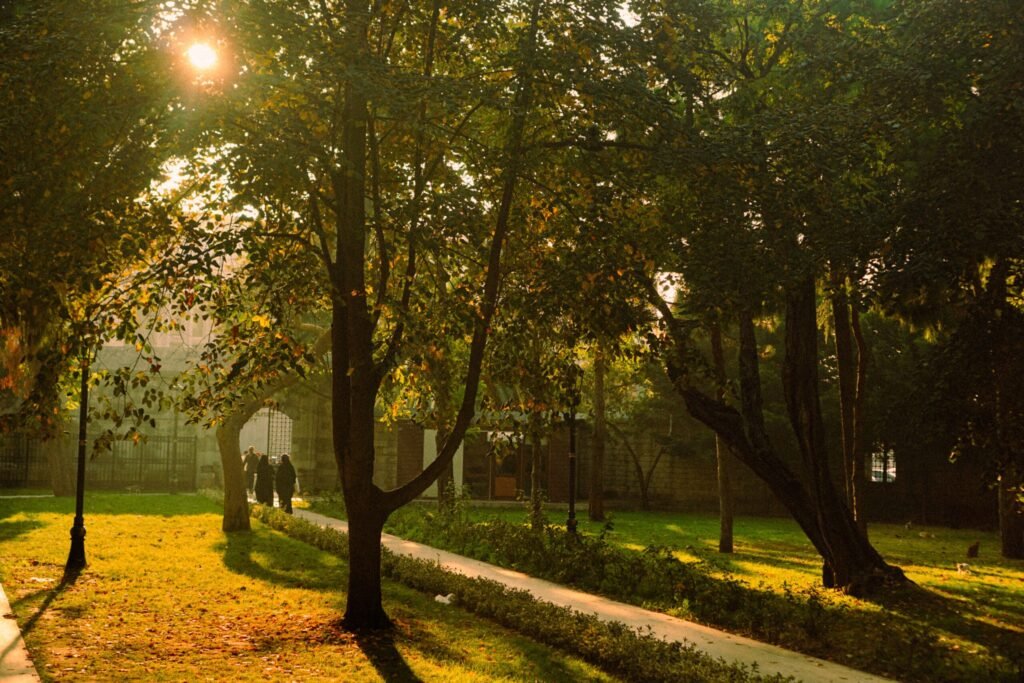
The near-total absence of parks, trees, and green corridors makes things worse. Research consistently shows that cities with meaningful tree cover can be 3–5°C cooler than those without. Pakistan’s rapidly shrinking urban greenery is a silent but serious contributor to the heatwave crisis.
4. The Public Health Toll
Extreme heat is a silent killer. The public health damage from heatwaves in Pakistan is severe — and often deeply under-reported.
Heat-Related Illnesses
Heat affects the human body quickly and dangerously. The most common conditions include:
- Heat exhaustion — Dizziness, heavy sweating, and muscle weakness
- Heat stroke — A life-threatening emergency where body temperature exceeds 40°C and the brain can no longer regulate temperature
- Severe dehydration — Especially dangerous for children, the elderly, and outdoor workers
- Cardiovascular stress — The heart works much harder in extreme heat, raising the risk of heart attacks
The 2015 Karachi heatwave remains the deadliest in Pakistan’s recorded history. Over 1,200 people died in a single week. Hospitals were overwhelmed. Morgues ran out of space. It was a tragedy that exposed just how unprepared the country was — and in many ways still is.
Who Is Most at Risk?
Some groups face far greater danger during a heatwave in Pakistan than others:
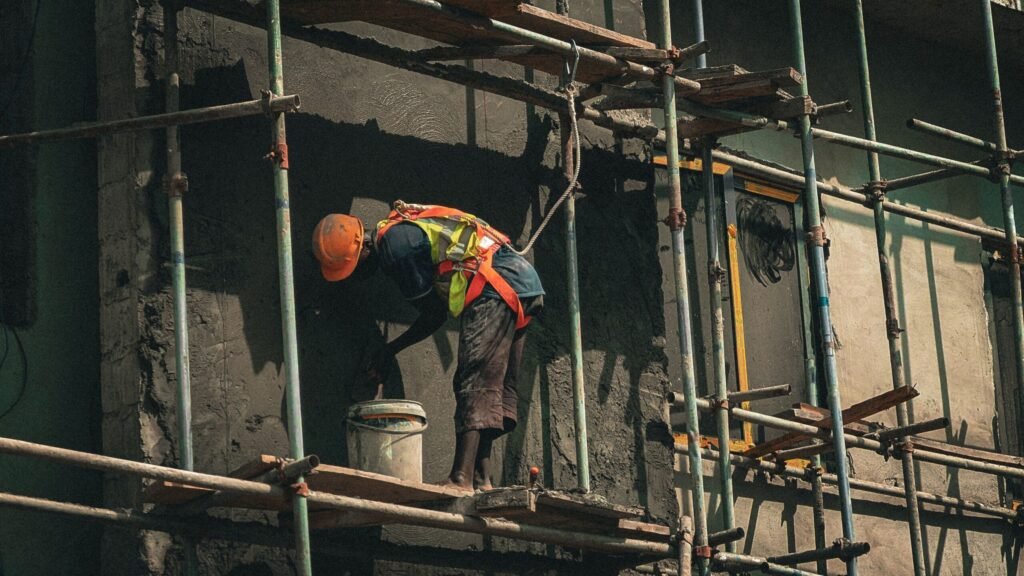
- Outdoor laborers — Construction workers, farmers, and rickshaw drivers with no choice but to work in full sun
- The elderly — Who may not feel thirst or notice the warning signs of overheating until it’s too late
- Young children — Whose bodies have less capacity to regulate heat
- Low-income communities — Without access to air conditioning, clean water, or shaded spaces
5. Pakistan vs. the World: A Comparison
How does the heatwave in Pakistan stack up against other heat-affected regions?
| Factor | Pakistan | India | Middle East | Europe |
| Peak summer temperature | 45–52°C | 40–48°C | 42–50°C | 35–42°C |
| Global climate vulnerability rank | Top 10 | Top 20 | Moderate | Lower |
| Urban green space coverage | Very Low | Low | Moderate | Higher |
| Access to cooling infrastructure | Limited | Moderate | Higher | Higher |
| Government heat action plans | Early stage | Advanced | Moderate | Advanced |
| Public health system capacity | Strained | Moderate | Strong | Strong |
The picture is sobering. Pakistan faces some of the world’s most brutal heat conditions — while having among the least infrastructure, resources, and institutional capacity to deal with it.
6. Solutions and the Road Ahead
The heatwave in Pakistan is a serious crisis — but it is not a hopeless one. Real solutions exist, and some are already being tested.
Government Efforts So Far
Pakistan’s National Disaster Management Authority (NDMA) has taken initial steps in recent years. These include setting up heat emergency relief centers in major cities, issuing early warning alerts via SMS and broadcast media, and running public awareness campaigns on heat safety. See NDMA’s official heatwave advisories and guidelines.
Karachi’s Heatwave Action Plan has been acknowledged as a positive model for other cities. But experts and aid organizations agree that implementation is inconsistent, underfunded, and fails to reach the most vulnerable communities.
Urban Planning Solutions
Better city design can shave several degrees off urban temperatures. Strategies that have worked around the world include:
- Urban tree planting — Street trees and neighborhood parks reduce surface temperatures significantly
- Cool roofs — Painting rooftops white or using reflective materials to deflect sunlight
- Green building codes — Requiring insulation, shading, and passive cooling in new construction
- Protecting natural land — Limiting concrete sprawl and preserving green and water bodies
The city of Medellín in Colombia reduced its average urban temperature by over 2°C by installing green corridors along streets. Pakistan’s cities could adopt similar strategies at scale.
What Individuals Can Do
While systemic change is essential, individuals can take meaningful steps to protect themselves and their families right now:
- Drink water every 30 minutes — even when you don’t feel thirsty
- Stay indoors between 11 AM and 4 PM during peak heat hours
- Wear loose, light-colored, breathable clothing
- Use wet clothes or electric fans if air conditioning is unavailable
- Check in on elderly neighbors, young children, and outdoor workers daily
Conclusion
The heatwave in Pakistan is no longer just a seasonal inconvenience. It is a recurring, escalating crisis that takes lives, destroys livelihoods, and pushes an already strained healthcare system past its breaking point.
The causes are well understood — climate change is heating the planet, and poor urban planning is making our cities even hotter. The solutions are also well understood. What is still missing is the political will, long-term investment, and community urgency to act at the scale this crisis demands.
Every Pakistani regardless of income, city, or profession deserves protection from extreme heat.
Start today. Share this article to raise awareness in your network. And if you’re in a position to advocate for change in your community, your workplace, or your government don’t wait for the next heatwave to make your voice heard.


