
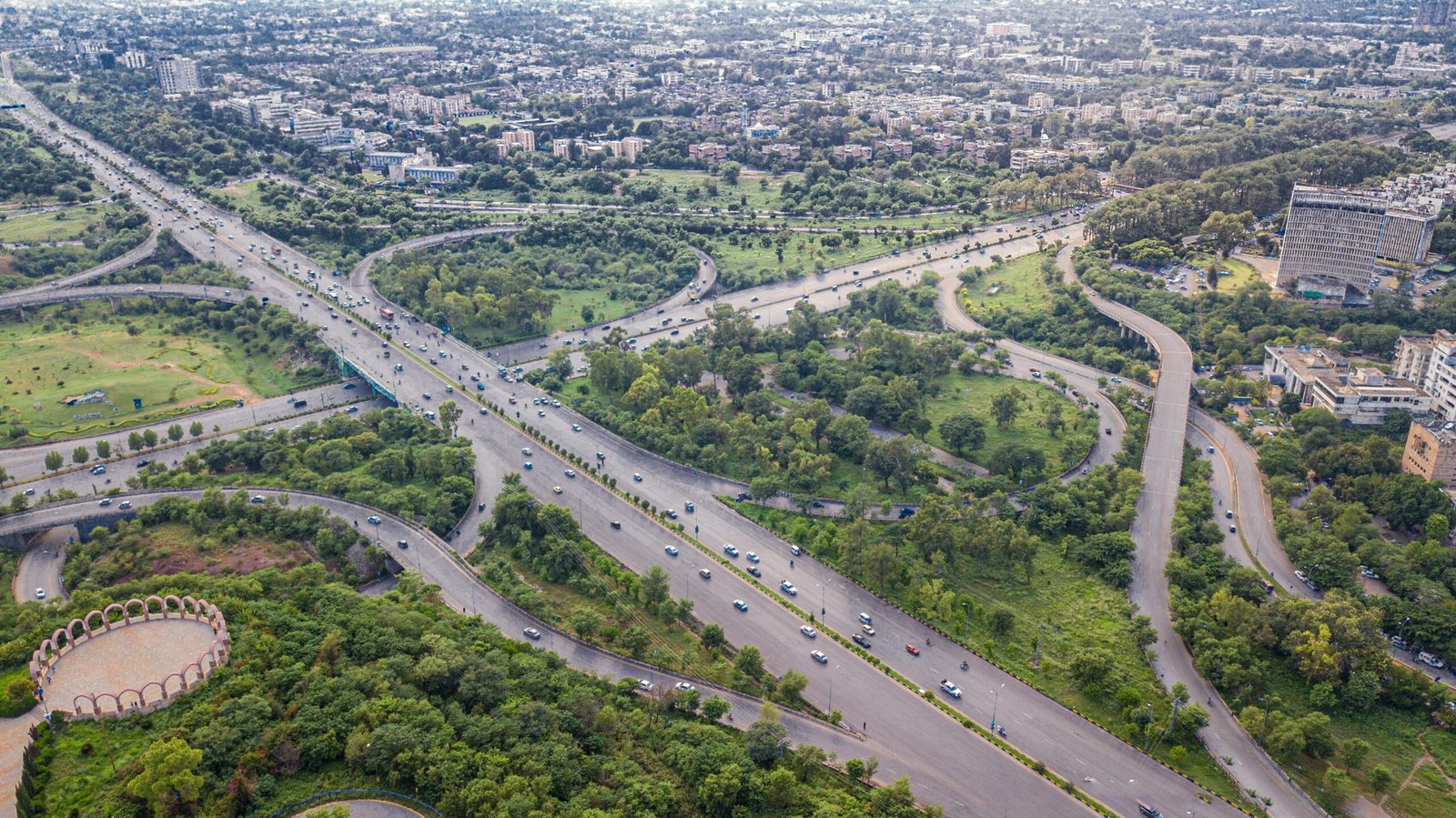
Pakistan’s Urban Heat is becoming harder to ignore as temperatures continue rising across major cities. From longer heatwaves to hotter nights, urban areas are feeling increasingly uncomfortable during summer months.
Cities like Karachi, Lahore, and Islamabad have all experienced rising temperatures in recent years. At the same time, rapid urban growth, traffic, construction, and shrinking green spaces are making the problem worse.
This is often connected to something called the “urban heat island effect.” It happens when roads, buildings, and concrete absorb and trap heat more than natural landscapes. As a result, cities become significantly hotter than surrounding rural areas.
Climate change is also increasing the intensity and frequency of heatwaves across Pakistan. According to reports from organizations like the United Nations and the Pakistan Meteorological Department, extreme heat events are becoming more common throughout South Asia. Because of this, Urban Heat is no longer just an environmental issue. It is affecting health, infrastructure, energy use, and daily life.
Why Pakistan’s Urban Heat Is Increasing
Several factors are contributing to rising temperatures in Pakistan’s cities. One major reason is rapid urbanization. More buildings, roads, and commercial areas are replacing trees, parks, and open land.
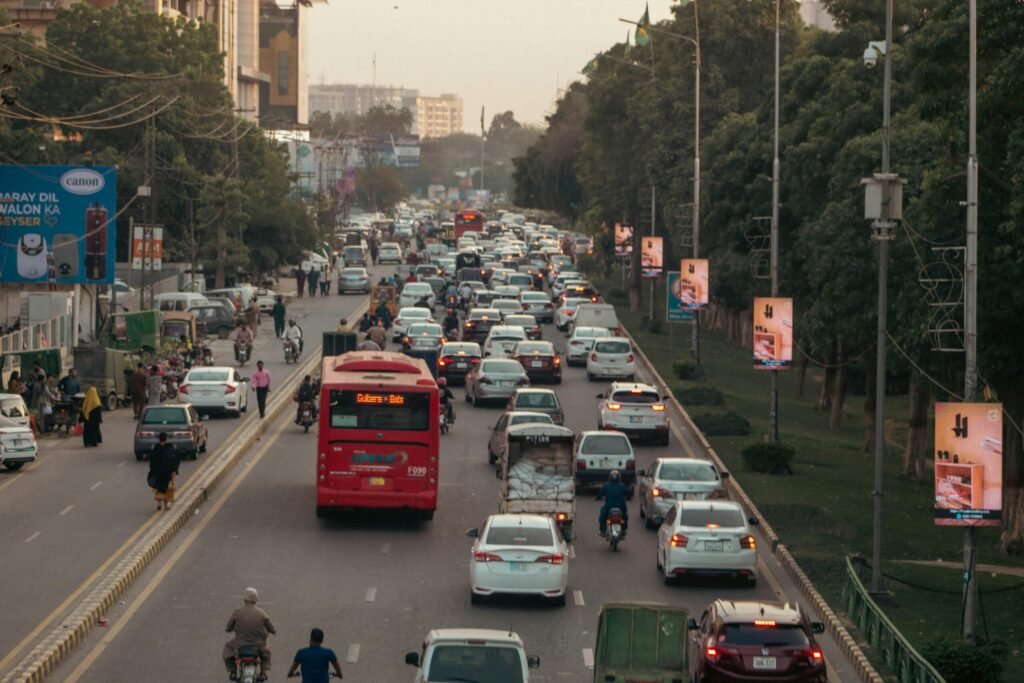
At the same time, population growth is increasing pressure on infrastructure. More vehicles, generators, and air conditioning systems also add extra heat to urban environments.
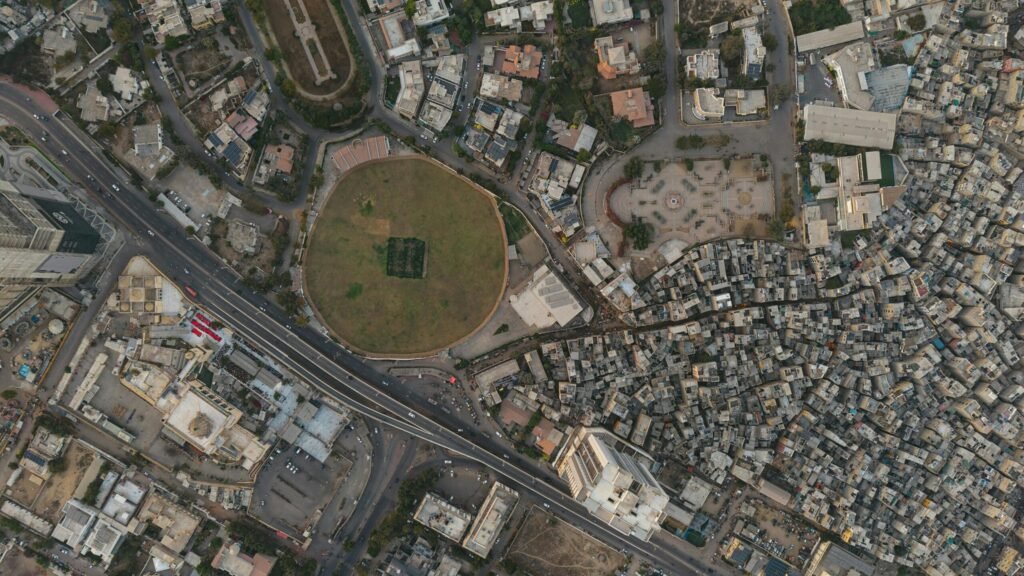
Construction materials play a role as well. Concrete and asphalt absorb sunlight during the day and release heat slowly at night. Because of this, many cities remain hot even after sunset.
Climate change has further intensified these conditions. Heatwaves are now lasting longer and affecting more people. In some cities, outdoor activities become difficult during peak afternoon hours. This change is affecting comfort, productivity, and overall quality of life.
Effects of Pakistan’s Urban Heat on Daily Life
Urban Heat affects people differently depending on where they live and work. However, its impact is becoming visible across many parts of daily life.
Public Health Risks
Extreme heat can increase dehydration, heat exhaustion, and other health problems, especially among older adults and outdoor workers.
Higher Electricity Demand
As temperatures rise, more people rely on fans and air conditioning. This increases pressure on electricity systems during summer months.
Reduced Green Spaces
Urban expansion often replaces parks and trees with roads and buildings. This reduces natural cooling inside cities.
Difficult Living Conditions
Crowded neighborhoods with limited ventilation often become extremely hot during heatwaves.
Air Pollution Problems
Hot weather can worsen air pollution and make breathing conditions harder for many residents.
Impact on Outdoor Workers
Construction workers, delivery riders, and street vendors often spend long hours exposed to extreme temperatures.
Rising Water Stress
Higher temperatures increase water demand across cities already facing shortages.
Pressure on Infrastructure
Roads, power systems, and public services can struggle during extreme heat periods.
How Cities Can Respond to Pakistan’s Urban Heat
Pakistan’s Urban Heat problem will likely continue growing if cities expand without proper planning. However, there are ways to reduce long-term impact.
Urban planners around the world are now focusing more on climate-friendly infrastructure. Trees, shaded walkways, rooftop gardens, and better ventilation systems can help reduce heat levels inside cities. Public transportation and sustainable construction methods may also lower environmental pressure over time.
At the same time, awareness matters. Many people still view extreme heat as only a seasonal issue. However, experts increasingly connect Urban Heat to climate policy, city planning, and environmental sustainability.
Technology can also support solutions. Heat monitoring systems, weather alerts, and smarter urban planning tools are helping some cities respond more effectively. In Pakistan, long-term planning may become increasingly important as temperatures continue rising.
Looking Ahead
Pakistan’s cities are changing rapidly. While development and expansion continue, climate concerns are becoming harder to separate from urban life.
Urban Heat now affects transportation, energy, public health, and daily comfort across many regions. This issue is not only about hotter summers. It is also about how cities are designed and how communities adapt to environmental pressure over time.
The future of urban living in Pakistan may depend on how seriously these challenges are addressed today. With better planning, greener infrastructure, and climate awareness, cities could become more sustainable and livable in the years ahead.


