
Introduction
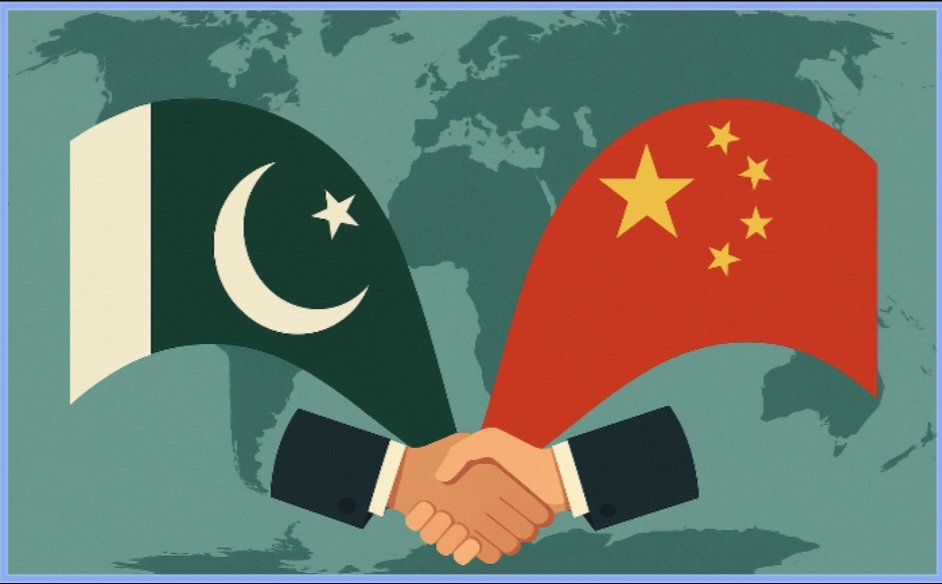
Pakistan and China have shared one of the most enduring and strategic partnerships in Asia, often described as “higher than the Himalayas, deeper than the ocean, and sweeter than honey.” Over the decades, this relationship has evolved far beyond traditional diplomacy — shaping South Asia’s geopolitical, economic, and security landscape. In recent years, however, the dynamics of Pakistan-China relations have undergone significant transformation due to shifting global power structures, regional developments, and domestic priorities.
Historical Overview: A Legacy of Friendship
The Pakistan-China relationship traces back to the early 1950s when Pakistan became one of the first countries to recognize the People’s Republic of China. Since then, the two nations have steadily built a strong alliance rooted in mutual trust and shared strategic interests. The friendship strengthened during the Cold War when both nations found common ground in countering regional challenges and promoting peace in Asia.
Economic Ties and the Rise of CPEC
The China-Pakistan Economic Corridor (CPEC) remains the cornerstone of their modern partnership. Launched in 2015 under China’s Belt and Road Initiative (BRI), CPEC has transformed Pakistan’s infrastructure, energy, and industrial sectors.
Through investments exceeding $60 billion, China has helped Pakistan address energy shortages, improve connectivity, and establish Special Economic Zones (SEZs). Projects such as Gwadar Port, highways, and power plants have boosted Pakistan’s trade potential, positioning it as a regional economic hub.
However, challenges such as debt concerns, project delays, and security issues in Balochistan have raised questions about the long-term sustainability of CPEC. Both governments are now revising strategies to ensure greater transparency, local inclusion, and economic viability.
Strategic and Defense Cooperation
Beyond economics, Pakistan and China maintain deep military and defense cooperation. From joint production of the JF-17 Thunder aircraft to advanced technology transfers, defense collaboration has strengthened Pakistan’s security framework.
China remains Pakistan’s most reliable defense partner, providing military hardware, naval assets, and technological support. This cooperation ensures regional balance in the face of India’s growing strategic ties with the United States.
Shifting Geopolitical Landscape
In the evolving global order, Pakistan-China relations are adapting to new geopolitical realities. The rise of U.S.-China competition, India’s growing influence, and instability in Afghanistan have all impacted regional alignments.
Pakistan’s policy now focuses on maintaining strategic neutrality — strengthening ties with China while also engaging with the West, the Gulf states, and Russia. This balancing act reflects Islamabad’s effort to diversify its foreign policy amid shifting global alliances.
Challenges and Opportunities
Despite their strong ties, certain challenges have emerged:
- Economic Imbalance: Pakistan’s growing trade deficit with China has raised concerns over unequal economic gains.
- Security Threats: Attacks on Chinese workers and infrastructure projects have threatened investor confidence.
- Domestic Concerns: Public debates on sovereignty, debt, and employment generation have intensified.
Nonetheless, opportunities remain vast. Enhanced collaboration in green energy, digital technology, agriculture, and education could redefine bilateral relations for a sustainable future.
Future Outlook
As global dynamics continue to shift, Pakistan-China relations are likely to evolve from dependency to mutual interdependence. The focus is expected to move from large infrastructure projects to industrial cooperation, trade diversification, and technology transfer.
Both nations are also exploring regional connectivity projects linking Central Asia, the Middle East, and South Asia — reinforcing Pakistan’s strategic importance as a bridge between East and West.
Conclusion
The changing dynamics of Pakistan-China relations reflect a broader transformation in the global geopolitical order. While challenges persist, the long-standing friendship between the two nations continues to adapt and strengthen. By embracing transparency, mutual respect, and shared development goals, Pakistan and China can forge a partnership that remains a pillar of peace and prosperity in Asia.


