
Pakistan is home to some of the world’s earliest recorded civilizations. Among the most remarkable of these are Taxila and Harappa. Today, they stand in quiet contrast to the noise of the present. Broken walls, ancient bricks, scattered ruins. But if you walk through these sites slowly, you begin to understand that they were once thriving centers of trade, learning, culture, and everyday life. These were not just settlements. They were organized, intelligent societies far ahead of their time.
Harappa: The Urban Genius of the Indus Valley
Located in Punjab, Harappa was one of the major cities of the Indus Valley Civilization, which dates back to around 2600 BCE. Discovered in the 19th century, the site revealed something extraordinary, a civilization that understood urban planning thousands of years before it became a modern concept. The streets of Harappa were laid out in neat grids. Houses were built with standardized baked bricks. There were drainage systems running beneath the roads, carefully designed to manage wastewater. Even today, some towns struggle with proper sanitation, yet Harappa had a structured system nearly four thousand years ago.
Life in Harappa was not chaotic or random. It was organized. Archaeologists have discovered granaries used to store food, suggesting agricultural stability and trade management. Seals carved with animals and symbols indicate commercial activity and communication systems. Jewelry, pottery, tools, and toys found at the site tell us that this was a community with craft skills and creativity. What makes Harappa fascinating is not just its age, but its sophistication. There is no evidence of massive palaces or grand royal tombs like those found in other ancient civilizations, which has led historians to believe that Harappan society may have been relatively balanced, without dramatic displays of power.
The Indus Valley Civilization, including Harappa, was one of the earliest examples of urban life in South Asia. Its influence shaped patterns of settlement, agriculture, and trade in the region for centuries. Today, walking through Harappa feels like walking through a paused moment in time. The bricks may be worn, but the intelligence behind them still speaks.
Taxila: The Crossroads of Knowledge and Empire
Further north, near Islamabad, lies Taxila, a city that tells a different but equally powerful story. Unlike Harappa, which belonged to the Indus Valley Civilization, Taxila rose to prominence later, becoming a center of learning and cultural exchange. It flourished under various empires, including the Achaemenids, Greeks, Mauryans, Kushans, and Gandhara rulers. Taxila was not just a city. It was a meeting point of civilizations.
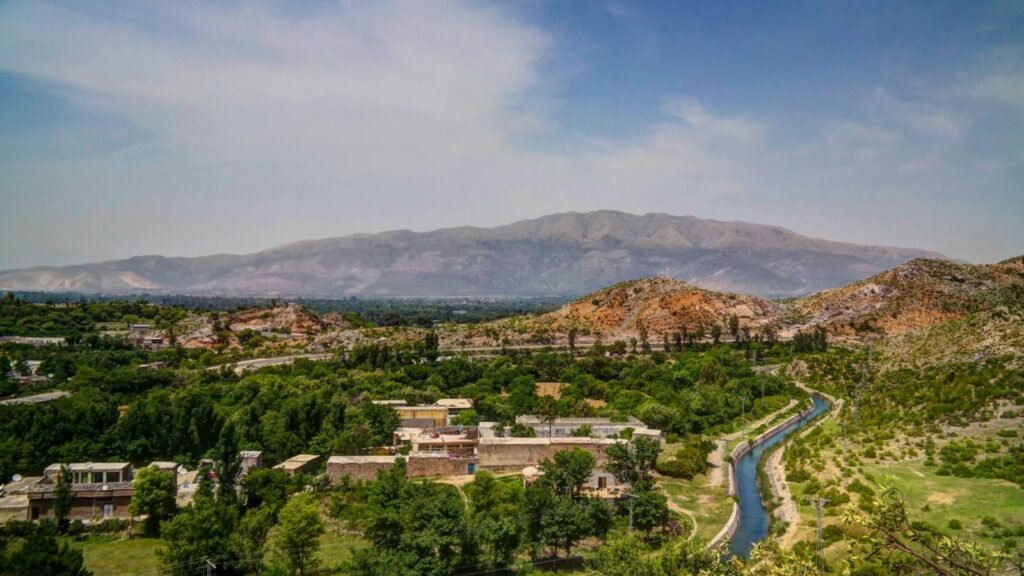
Because of its strategic location along ancient trade routes connecting Central Asia and the Indian subcontinent, Taxila became a hub for merchants, scholars, and travelers. Ideas moved through its streets just as frequently as goods. One of the most remarkable aspects of Taxila was its reputation as an ancient center of education. Long before modern universities existed, students traveled from distant regions to study here. Subjects ranged from philosophy and politics to medicine and military strategy.
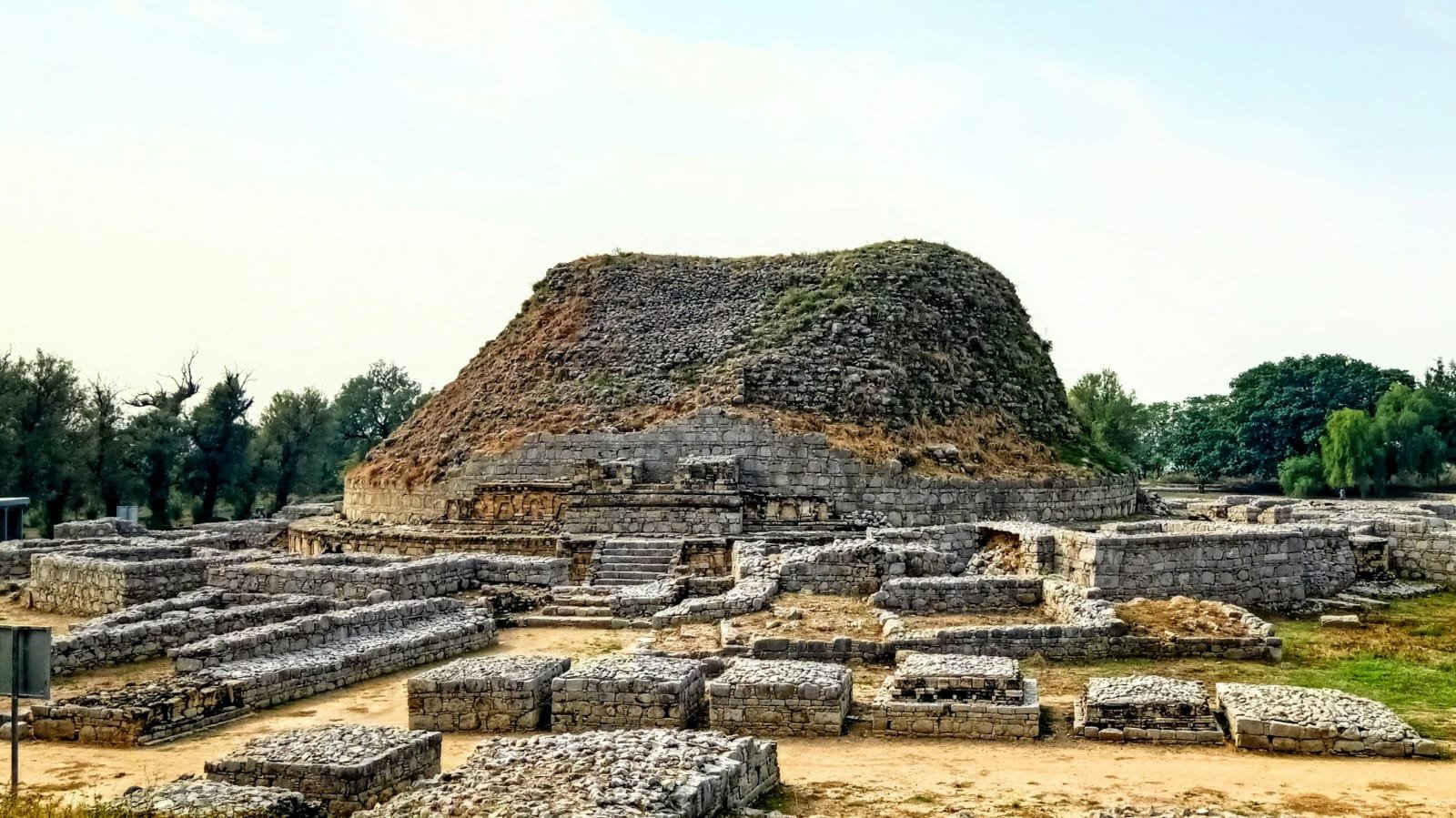
The ruins of Taxila today include monasteries, stupas, and residential complexes. The Dharmarajika Stupa stands as a reminder of the region’s strong Buddhist influence during certain periods. Gandhara art, known for blending Greek and South Asian styles, also flourished here. If Harappa represents urban planning and early civilization, Taxila represents intellectual growth and cultural blending. Standing among its ruins, you can almost imagine scholars debating under open skies, traders unloading goods, and monks walking quietly through stone courtyards.
A Shared Legacy Preserved
Although Harappa and Taxila belonged to different time periods and cultural contexts, together they reflect the depth of Pakistan’s ancient heritage. Harappa shows us that organized city life in this region began thousands of years ago, while Taxila demonstrates how this land continued to evolve, absorbing influences and contributing to global knowledge networks. These were not isolated or primitive communities. They were connected, thoughtful, and advanced for their time.
Today, both sites are recognized internationally for their historical importance. Taxila is listed as a UNESCO World Heritage Site, and the archaeological remains of the Indus Valley Civilization, including Harappa, continue to receive global academic attention. UNESCO recognition is not simply about preservation. It is an acknowledgment that these ruins belong not only to Pakistan, but to human history as a whole.
When you stand in Harappa and trace your fingers along an ancient brick, or walk quietly through the remains of Taxila’s monasteries, you realize that history is not distant. It is layered beneath our feet. Civilizations may fade, empires may fall, but foundations endure. And in the silent stones of Taxila and Harappa, the echoes of ancient life still remain, steady, resilient, and unforgettable.


