
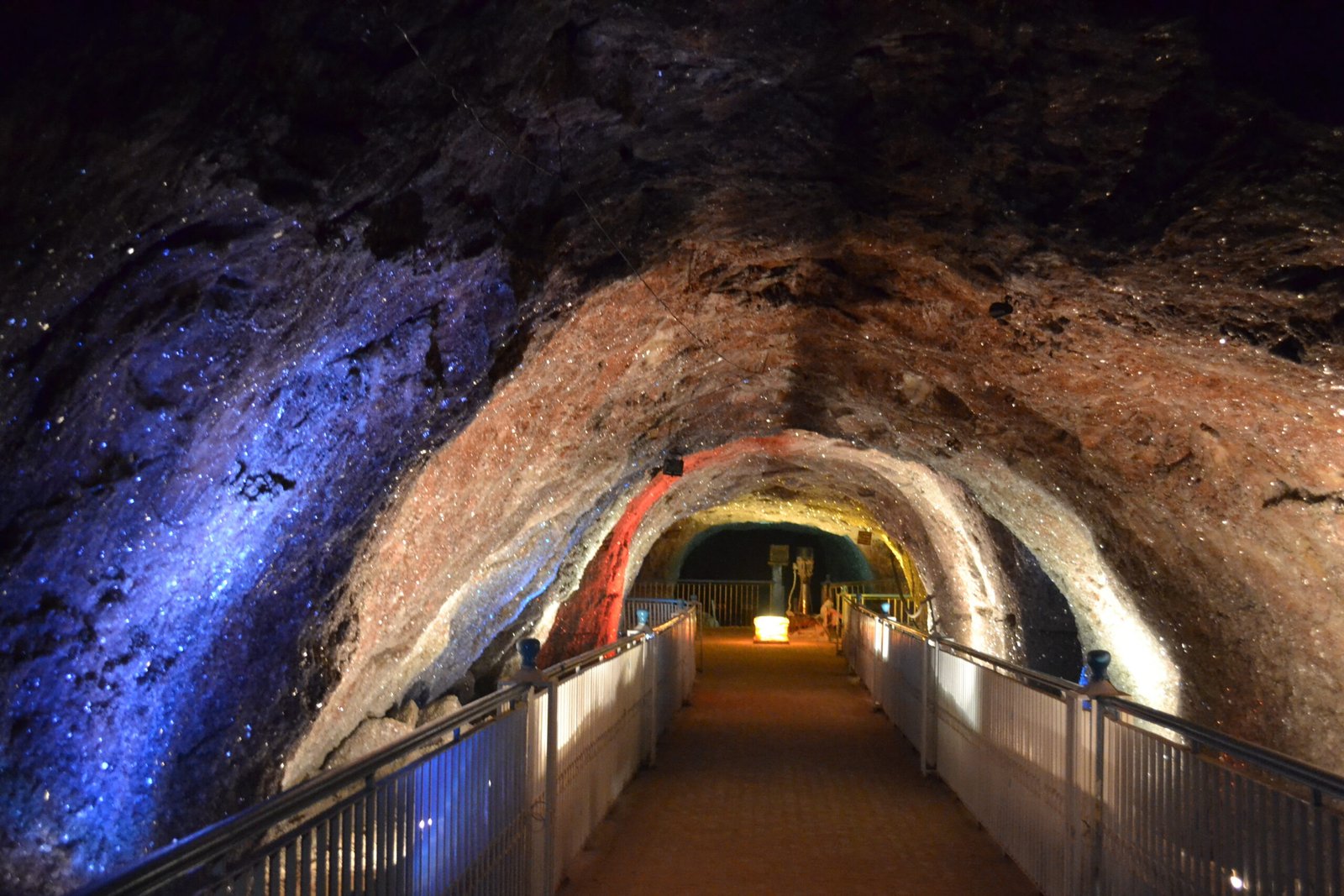
The Salt Range is one of the most unique geological regions in Pakistan. Often referred to as Silsila Koh Namakīn, this mountain system is home to the famous Khewra Salt Mine, the second largest salt mine in the world.
Located in Punjab, this region holds an estimated 82 million metric tonnes of salt, making it one of the richest salt reserves globally. The Khewra mine alone produces around 0.36 million metric tonnes annually, supplying both industrial and edible salt.
In addition to its economic value, the site carries geological, historical, and cultural importance. It has also been included in UNESCO’s Tentative List since 2016, highlighting its global significance.
History of the Salt Range in Pakistan
The Salt Range has a long and layered history. Historical accounts suggest that the salt deposits were first discovered during the campaign of Alexander the Great, when his troops noticed animals licking salt rocks.
During the rule of the Mughal Empire, the region became an important economic zone. The Mughals managed the mines and used them as a steady source of revenue.
Local tribes also shaped the region’s history. The Awan tribe and various Rajput tribes settled across different parts of the range. Historical records and regional accounts indicate that these communities were often involved in territorial conflicts, particularly over land and resources.
Later, under British colonial rule, mining operations were modernized. Structured tunnel systems were introduced at Khewra, many of which are still in use today.
Salt Range Location and Geographic Spread
The Salt Range extends across several districts, including Jhelum District, Chakwal District, Khushab District, and Mianwali District.
It lies south of the Pothohar Plateau and north of the Jhelum River. The range runs east to west and includes areas around Kallar Kahar and the M-2 motorway.
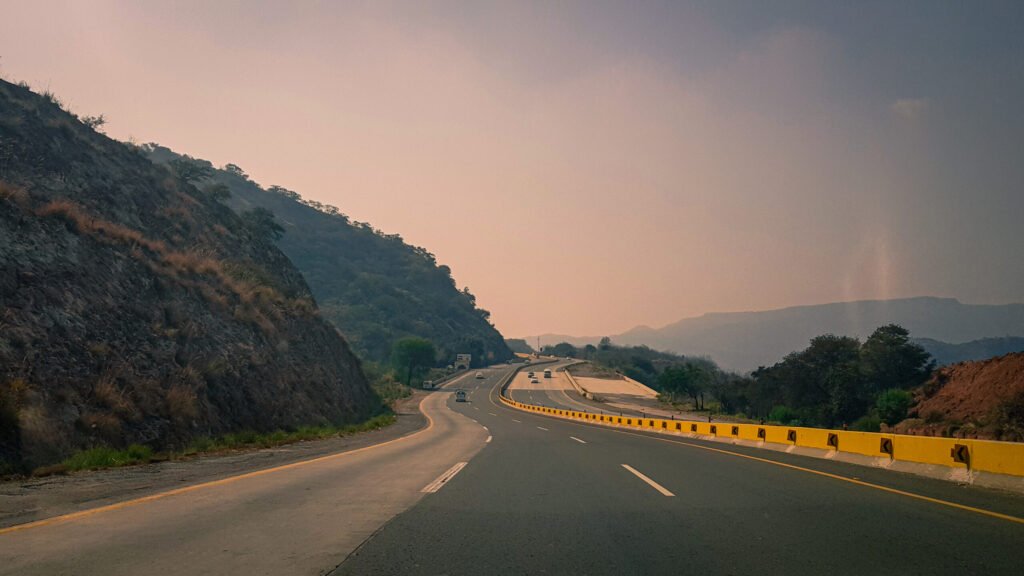
The highest point, Sakesar Peak, rises to about 1,522 meters, offering a clear view of the surrounding plains. The region is known for its rugged terrain and semi arid landscape.
Geology of the Salt Range
Geologically, this region is extremely significant. The salt deposits are believed to date back around 600 million years, placing them in the Precambrian era. These deposits were formed through the evaporation of ancient seas, leaving behind thick layers of rock salt.
The Khewra mine itself has 19 levels, most of which extend deep underground. Only a small portion is open to visitors, while the rest remains part of active mining operations.
In addition to rock salt, the area contains valuable minerals such as coal, gypsum, and limestone. The distinct layering of rocks provides important data for geologists studying Earth’s early history and tectonic movements.
Because of this, the Salt Range is not only economically valuable but also scientifically important.
Habitat and Biodiversity
Despite its dry conditions, the region supports a range of plant and animal life. Vegetation mainly includes drought resistant shrubs and small trees.
Wildlife in the area includes foxes, wild boar, and various bird species. Certain parts of the region serve as temporary habitats for migratory birds, especially near water bodies.
Conservation efforts have been introduced in some areas to protect local biodiversity and maintain ecological balance.
Climate of the Region
The climate is classified as semi arid. Summers are hot and dry, while winters are relatively mild. Rainfall is limited and mostly occurs during the monsoon season.
Temperature variations influence both natural vegetation and human activity. Agriculture is limited but still practiced in some areas using seasonal rainfall.
Overall, the climate plays a key role in shaping the region’s landscape and lifestyle.
Attractions and Tourism
The Khewra Salt Mine is the main attraction and draws visitors from across Pakistan and abroad. Inside the mine, tourists can see salt formations, underground chambers, and structures built entirely from salt.
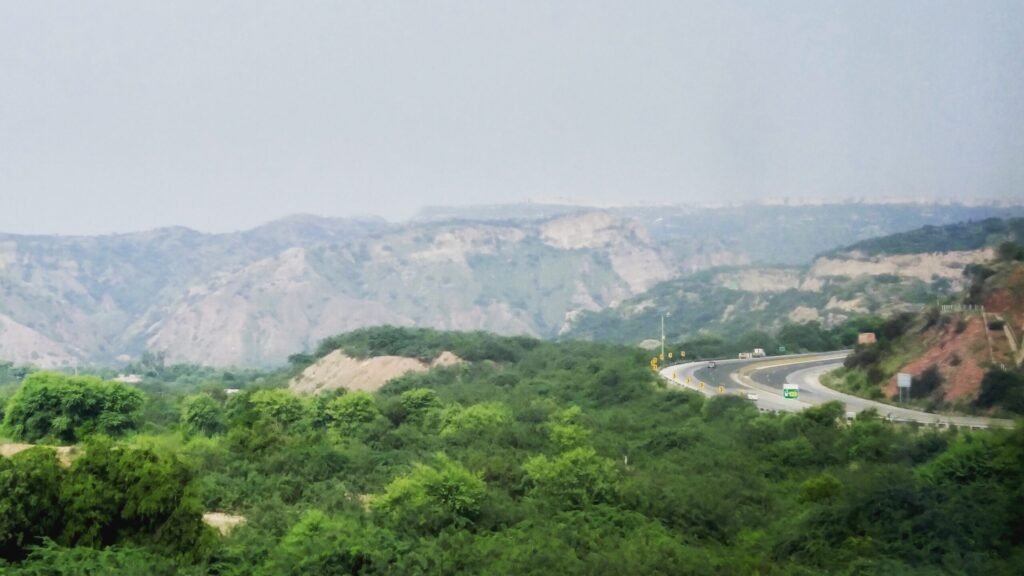
Another key attraction is Kallar Kahar Lake, known for its scenic views and peaceful environment.
The combination of natural beauty, historical significance, and geological uniqueness makes the region an important tourist destination.
Export and Global Importance
Salt from Khewra is exported to many countries and is widely used in food processing, industry, and decorative products such as salt lamps.
Around 70 percent of the extracted salt is used for industrial purposes, while the remaining portion is refined for edible use. According to global production data, Pakistan ranks among the top salt producing countries, with an annual output of over 2 million metric tonnes.
Despite this, much of the pink salt sold internationally is often marketed without clear origin labeling. As a result, Pakistan’s role in supplying this resource is not always fully recognized.
Improved branding and export strategies could significantly increase the country’s visibility in the global market.
Conclusion
The Salt Range represents a unique blend of history, geology, and economic value. From ancient discoveries to modern mining operations, it continues to play an important role in Pakistan’s development.
Its inclusion in UNESCO’s Tentative List further highlights its global importance. With better awareness and preservation efforts, this region has the potential to gain even greater recognition worldwide.


