
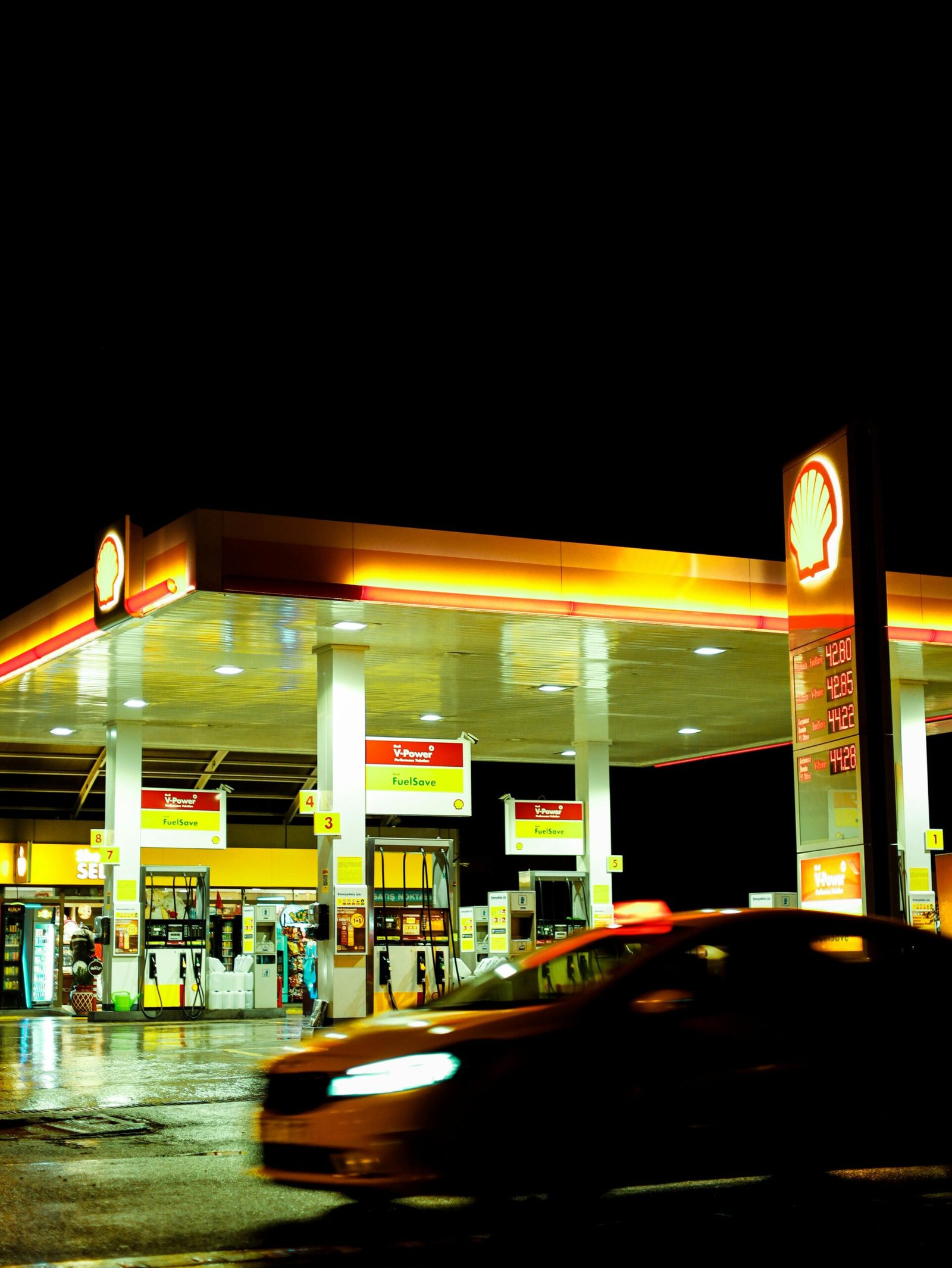
Rising petrol prices have become a key economic concern in 2026, affecting both global markets and everyday consumer spending. Triggered by disruptions in major oil transit routes such as the Strait of Hormuz, the increase has led to higher transportation costs, inflationary pressure, and shifts in business operations. This article examines the causes behind the surge, its broader economic impact, and how businesses and consumers are adapting to the changing landscape.
Petrol Prices and the Strait of Hormuz Disruption
Petrol prices have risen sharply in 2026, primarily due to disruptions in global oil supply chains. One of the most critical factors behind this increase is the instability surrounding the Strait of Hormuz. This narrow waterway handles a significant portion of the world’s oil shipments, making it one of the most strategically important energy routes.
When access to this route becomes restricted or uncertain, global oil markets react immediately. As a result, crude oil prices increase due to supply fears. Consequently, refined fuel costs rise across multiple regions, including South Asia, Europe, and parts of Africa.
Moreover, global markets operate on expectations as much as reality. Even the threat of disruption in this region can trigger price hikes. Therefore, uncertainty alone has contributed to the recent upward trend.
Petrol Market Dynamics and Global Oil Supply Chains
To understand the current rise, it is important to examine how global oil supply chains function. Petrol is derived from crude oil, which is traded internationally. Any disruption in extraction, transportation, or refining affects the final consumer price.
In this case, reduced confidence in oil supply routes has led to:
- Increased crude oil prices
- Higher shipping and insurance costs
- Supply chain delays
According to global energy reports and industry analyses using keywords such as “oil supply disruption,” “global crude prices,” and “energy market volatility,” even short-term instability in key transit routes can create long-term pricing pressure.
Furthermore, countries that rely heavily on imported oil face greater exposure. Since they do not control supply, they must adjust domestic prices in response to global fluctuations. As a result, economies like Pakistan experience immediate cost increases.
Impact on Inflation and Consumer Spending
As petrol prices rise, inflation typically follows. This happens because fuel is a foundational cost in nearly every sector. Transportation, manufacturing, and logistics all depend on it.
For instance:
- Higher transport costs increase food prices
- Manufacturing expenses rise, affecting goods and services
- Delivery and logistics become more expensive
Consequently, consumers face a higher cost of living. In response, they often reduce discretionary spending. This shift in behavior affects businesses across industries, particularly retail, hospitality, and e-commerce.
Additionally, inflation reduces purchasing power. Therefore, even if incomes remain stable, real spending capacity declines. This creates a ripple effect throughout the economy.
Business Adaptation in a High Petrol Cost Environment
Despite these challenges, businesses can adapt. In fact, periods of economic pressure often highlight the importance of efficiency and strategy.
Many companies respond by:
- Optimizing logistics and supply chains
- Reducing operational waste
- Shifting toward digital platforms
Digital transformation becomes particularly important. Since online operations reduce reliance on physical infrastructure, they help lower costs. For example, businesses that invest in e-commerce or digital marketing can maintain visibility without increasing expenses significantly.
Moreover, companies that communicate value effectively tend to perform better. Instead of competing solely on price, they focus on trust, reliability, and long-term relationships.
Global Economic Implications
The rise in petrol prices is not limited to one region. It reflects broader global economic trends. When oil prices increase, multiple economies experience similar challenges, including inflation and slowed growth.
In addition:
- Import-dependent countries face trade imbalances
- Currency pressures may increase due to higher import bills
- Governments may introduce subsidies or policy changes
However, such measures often provide only temporary relief. Over time, structural adjustments become necessary. These may include investing in alternative energy sources or improving energy efficiency.
According to analyses using focus keywords like “global inflation trends,” “energy crisis impact,” and “oil price volatility,” sustained increases in fuel costs can reshape economic priorities at both national and international levels.
Digital Economy and Changing Market Behavior
As costs rise, both businesses and consumers shift toward more efficient systems. The digital economy benefits significantly from this transition.
For example:
- Online services reduce transportation needs
- Remote work lowers commuting costs
- Digital marketing offers cost-effective outreach
Consequently, companies that invest in digital infrastructure gain a competitive advantage. They can operate with lower overhead while maintaining or even increasing their reach.
At the same time, consumers become more selective. They prioritize value, convenience, and trust. Therefore, brands that offer clear benefits and consistent experiences tend to retain customers.
Long-Term Outlook for Petrol Prices
While short-term fluctuations are common, the current situation highlights deeper vulnerabilities in global energy systems. Dependence on specific routes like the Strait of Hormuz creates risk.
Looking ahead, several factors will influence future trends:
- Geopolitical stability in key regions
- Investment in alternative energy sources
- Technological advancements in energy efficiency
If disruptions continue, prices may remain elevated. However, diversification of energy sources could reduce reliance on traditional oil routes over time.


