
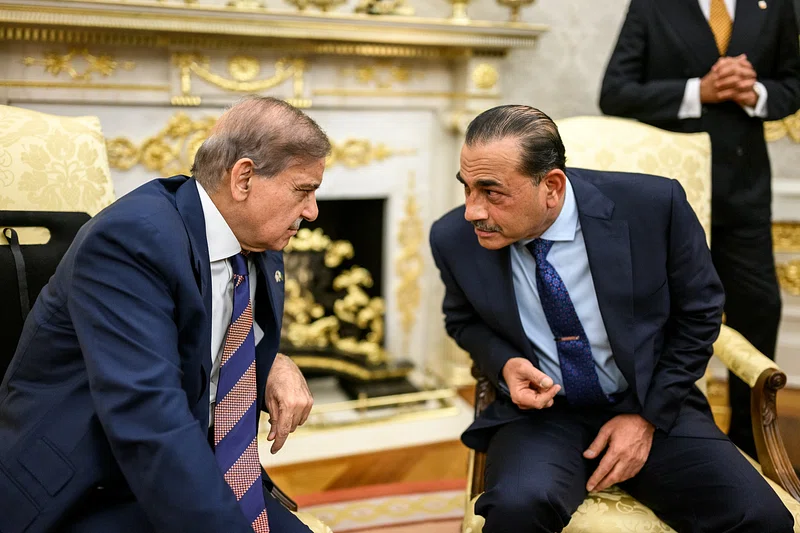
Pakistan has taken a carefully balanced diplomatic position amid the 2026 war between the United States and Iran. As tensions escalated into what many analysts described as a scenario which could potentially lead to WWIII, its economic stability and regional security became directly tied to developments in the Middle East. Given its geographic proximity and strategic relationships, the country adopted official neutrality while actively engaging in diplomatic efforts to reduce escalation.
Pakistan and the Background of the Iran–US War
Pakistan’s response is rooted in the rapid escalation that began on 28 February 2026, when joint strikes by the United States and Israel targeted Iranian leadership and military infrastructure, according to emerging reports and widely circulated timelines.
These developments were followed by Iranian retaliation through missile and drone attacks targeting Israel and parts of the Gulf region. As a result, tensions escalated quickly, raising fears of a wider regional war.
The assassination of Ali Khamenei marked a critical turning point in the conflict narrative. Iranian leadership framed its response as a matter of sovereignty and retaliation, further intensifying the situation.
At the same time, Pakistan condemned the escalation. Prime Minister Shehbaz Sharif described the assassination as a violation of international law, while continuing to maintain neutrality. This position allowed the country to preserve its relationships with Iran, the United States, and Saudi Arabia.
Pakistan Amid Global Escalation and Strategic Threats
As the conflict intensified in March and early April 2026, global concern reached a critical level. Analysts warned that further escalation could lead to a broader international war with far-reaching consequences.
The situation became particularly alarming due to threats of disruption in global energy routes. Iran moved to close the Strait of Hormuz, a critical passage for global oil supply. Despite pressure and warnings from the United States, Tehran remained firm on its position, linking the reopening of the route to diplomatic concessions.
At the same time, political rhetoric intensified. Statements attributed to U.S. President Donald Trump circulated widely, including warnings about severe consequences if escalation continued. These developments heightened uncertainty and placed the international community on alert.
Consequently, global markets reacted, and fears of economic disruption increased. The possibility of a large-scale war was no longer seen as unlikely, which is why Pakistan’s diplomatic efforts became urgent.
Pakistan as a Peacemaker
In this critical moment, Pakistan stepped into a diplomatic role that extended beyond its immediate region. Rather than aligning militarily, it focused on mediation and dialogue.
Throughout March 2026, Pakistani officials engaged in active diplomacy with both Tehran and Washington. Deputy Prime Minister and Foreign Minister Ishaq Dar played a key role in these efforts, holding discussions on the sidelines of international forums.
By 23 March 2026, Islamabad formally offered to host negotiations between the two sides. This move positioned the country as a neutral platform for dialogue at a time when communication channels were strained.
A significant development came on 31 March 2026, when Pakistan, in coordination with China, proposed a multi-point framework focused on ceasefire and restoration of navigation in key maritime routes. This proposal was acknowledged by international observers as a constructive step toward de-escalation.
Reports on 6 April 2026 indicated that a structured, two-phase truce plan had been shared with both parties. The proposal included an immediate ceasefire and a phased reopening of the Strait of Hormuz within a defined timeline.
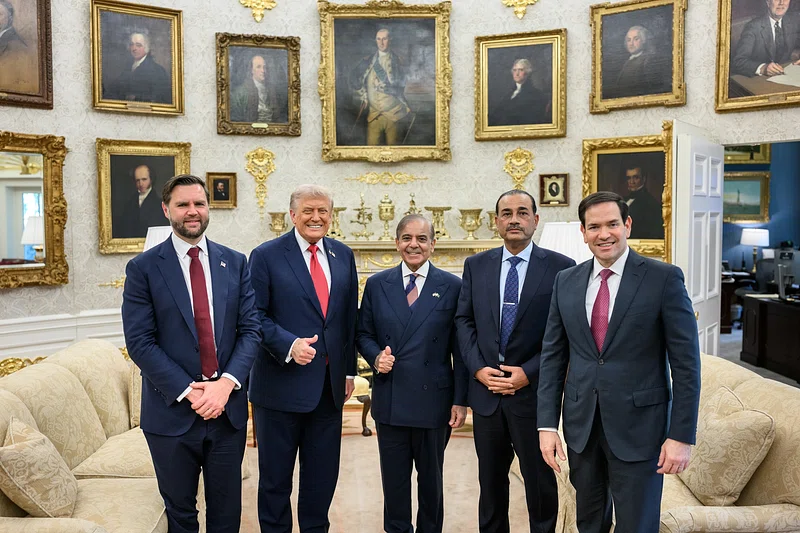
As tensions peaked, diplomatic engagement intensified. With deadlines for potential escalation approaching, Pakistan urged restraint and called for additional time to allow negotiations to succeed. These efforts contributed to a temporary pause in escalation and opened space for further dialogue.
How This Positions Pakistan Globally
Pakistan’s role in this crisis has implications beyond immediate diplomacy. For years, it has faced accusations of being linked to instability and extremism in global discourse. However, this narrative often overlooks the country’s long-standing struggle against terrorism within its own borders.
Over the past decades, it has lost thousands of civilians and security personnel in efforts to combat extremist groups. Despite these sacrifices, perceptions have remained mixed internationally.
In this context, its diplomatic engagement during the Iran–US war presents a contrasting image. Countries that have previously criticized Pakistan acknowledged its efforts to reduce tensions and promote dialogue.
This shift does not erase past perceptions immediately. However, it contributes to a gradual repositioning. It highlights the country as a sovereign state capable of constructive engagement and peacebuilding.
Economic and Strategic Implications
The conflict also carried significant economic implications. Rising oil prices and uncertainty in global markets directly affected Pakistan’s economic environment.
Energy imports became more expensive, while supply chain risks increased. As a result, maintaining stability in the region became an economic priority as well.
Furthermore, diplomatic engagement aligned with long-term strategic interests. Stability in the Middle East supports trade, investment, and overall economic planning.
Conclusion
Pakistan’s response to the Iran–US conflict in 2026 reflects a calculated approach centered on neutrality and diplomacy. By engaging with all sides and promoting dialogue, it contributed to efforts aimed at preventing a broader escalation.
In a period marked by uncertainty and global concern, this role highlights the importance of balanced foreign policy. While challenges remain, such actions position Pakistan as a relevant and responsible actor in international affairs.


