

Relations between Pakistan and Afghanistan have always been shaped by geography, security concerns, and a complicated political history. In recent months, however, tensions along their shared border have increased significantly. Military clashes, cross-border strikes, and growing mistrust have created a situation that analysts across the region are watching closely.
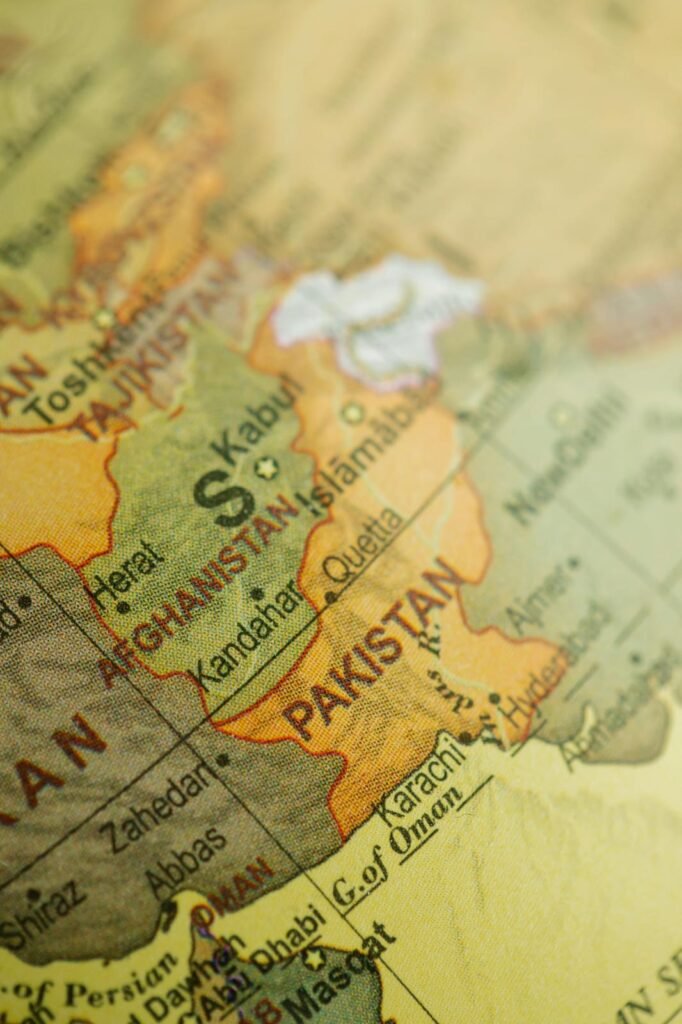
The situation did not develop overnight. Instead, it grew slowly through years of mistrust, militant activity, and unresolved border disputes. Today, the conflict is affecting regional stability and raising serious concerns about security across the wider region.
The Pakistan – Afghanistan Border and Its Long History
The frontier between Pakistan and Afghanistan stretches for more than 2,600 kilometers and passes through mountains, valleys, and tribal regions that are difficult to control. Known as the Durand Line, this border has been disputed for decades.
Afghanistan has historically refused to fully recognize the line as an official international boundary. At the same time, Pakistan views it as the legitimate border between the two states. This disagreement has remained a major source of tension.
However, the dispute alone is not the main cause of the current conflict. Security concerns and militant activity along the frontier have become the real trigger for the latest escalation.
Militancy and Pakistan – Afghanistan Security Concerns
Over the past few years, Pakistan has repeatedly expressed concerns about militant groups operating from Afghan territory. Officials in Islamabad argue that organizations such as the Tehreek-e-Taliban Pakistan (TTP) have found safe havens across the border.
These groups have carried out several deadly attacks inside Pakistan, targeting security forces and civilians. As a result, pressure has grown on the government to respond more forcefully.
According to Pakistani officials, cross-border operations became necessary to stop militants from launching attacks and then retreating back into Afghanistan. From their perspective, these actions are defensive measures aimed at protecting national security.
On the other hand, Afghan authorities strongly reject these claims. The Taliban government in Kabul insists that it does not allow its territory to be used against other countries. Officials there have condemned airstrikes and border operations as violations of sovereignty.
Because of these opposing narratives, tensions between the two neighbors have continued to rise.
Escalation of Military Clashes
The situation escalated sharply after reports of airstrikes and artillery exchanges along the border earlier this year. Pakistan targeted suspected militant camps inside Afghanistan following a series of deadly attacks.
In response, Afghan forces accused Pakistan of aggression and warned that such actions would not go unanswered. Border posts on both sides soon witnessed heavy exchanges of fire.
Villages near the frontier have suffered the most from this escalation. Civilians living in these areas often find themselves caught between military operations and militant activity. In some regions, families have been forced to leave their homes due to fear of further violence. Humanitarian organizations have also expressed concern about displacement and the safety of civilians in border communities.
The Role of the Taliban Government
Since the Taliban returned to power in Afghanistan in 2021, relations with Pakistan have become increasingly complicated. In the past, many observers believed that the Taliban government might help reduce militant threats in the region. However, reality has proven more complex.
Pakistan expected the Taliban to act against militant groups targeting its territory. When attacks continued, frustration grew in Islamabad. At the same time, the Taliban leadership has faced challenges controlling various armed factions inside Afghanistan.
Some analysts believe that the Taliban may not have complete authority over every militant group operating within the country. Others argue that political considerations make it difficult for them to openly confront certain groups.
Regardless of the reason, the lack of cooperation on security issues has deepened mistrust between the two neighbors.
Regional and Global Implications
The conflict between Pakistan and Afghanistan does not only affect the two countries. It also has wider implications for regional stability. South Asia and Central Asia are connected through trade routes, energy projects, and security partnerships. Continued instability along this border could disrupt economic cooperation and infrastructure development.
For example, projects linking Central Asian energy resources to South Asia depend on stable conditions in Afghanistan. Increased conflict makes these initiatives harder to implement.
Furthermore, instability in this region could create opportunities for extremist groups to expand their influence. This possibility worries many countries, including China, Iran, and the Central Asian republics.
Because of these concerns, several international organizations have urged both sides to exercise restraint and resolve their disputes through dialogue.
Human Cost of the Conflict
While political debates often dominate headlines, the human impact of the conflict is equally important. Communities living near the border face constant uncertainty.
Farmers struggle to maintain their livelihoods as fighting disrupts daily life. Schools and markets sometimes close during periods of tension. Families fear sudden violence that could force them to flee their homes. Displacement is already becoming a growing concern. Reports suggest that thousands of people have moved away from border areas in search of safety. Humanitarian groups warn that the situation could worsen if clashes continue.
Therefore, the longer the conflict lasts, the greater the suffering for ordinary people on both sides of the border.
The Need for Dialogue
Despite rising tensions, many experts believe that a full-scale war would benefit neither country. Both Pakistan and Afghanistan face serious economic challenges and internal security concerns.
Diplomatic engagement remains the most realistic path toward reducing tensions. Confidence-building measures, intelligence sharing, and joint border management could help address some of the underlying issues. International mediation may also play a role in encouraging dialogue between the two governments. Regional stability depends on cooperation rather than confrontation.
History shows that conflicts in this region rarely produce clear winners. Instead, they often create cycles of instability that last for years.
Looking Ahead
The future of the Pakistan–Afghanistan relationship remains uncertain. Continued clashes could push the region toward deeper instability, while successful dialogue might open the door to cooperation. What happens next will depend largely on the willingness of both sides to address security concerns without allowing tensions to spiral further out of control.
For now, the situation along the border serves as a reminder of how fragile peace can be in regions shaped by history, geography, and complex political realities.


