
Introduction
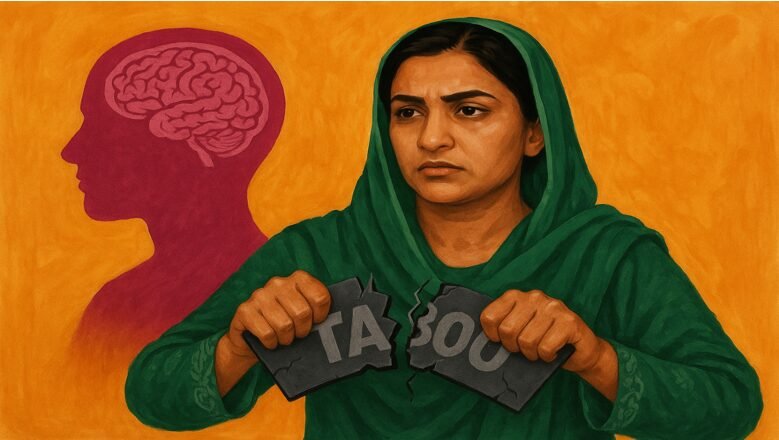
Mental health awareness in Pakistan has long been overshadowed by cultural stigma and societal taboos. Despite significant progress in education and social development, the conversation around mental well-being remains limited. In a country where discussing mental health is often perceived as a sign of weakness or shame, creating awareness has become a pressing need. This article explores the importance of mental health awareness in Pakistan, the barriers faced by individuals, and the steps that can help break the silence surrounding this critical issue.
Understanding Mental Health in Pakistan
Mental health encompasses emotional, psychological, and social well-being. It affects how individuals think, feel, and act. In Pakistan, issues such as depression, anxiety, and stress-related disorders are increasing due to factors like unemployment, inflation, social pressure, and family expectations. Unfortunately, these problems often go untreated because of the fear of being labeled as “crazy” or “unstable.”
According to the Pakistan Association for Mental Health, nearly one in four Pakistanis experiences mental health issues in their lifetime. Yet, there are only a few hundred qualified psychiatrists to serve a population exceeding 240 million. This stark imbalance highlights the urgent need for widespread awareness and professional mental health services.
Cultural and Social Taboos
The biggest obstacle in promoting mental health awareness in Pakistan is cultural stigma. Many people associate mental illness with weakness, lack of faith, or even supernatural causes. Instead of seeking professional help, families often turn to spiritual healers or avoid discussing the issue altogether.
Women, in particular, suffer in silence due to societal expectations and fear of judgment. Similarly, men are discouraged from expressing emotions, as vulnerability is often viewed as a lack of masculinity. These taboos create a dangerous environment where individuals hesitate to seek help, worsening their condition over time.
The Role of Media and Education
The media can play a transformative role in changing perceptions about mental health. In recent years, several Pakistani dramas and digital platforms have begun to address mental health themes, helping normalize the conversation. However, more consistent and responsible representation is required.
Educational institutions should also include mental health education in their curriculum to teach students about emotional intelligence, stress management, and empathy. Schools and universities can establish counseling centers to support students dealing with academic pressure and personal challenges.
Breaking the Silence: Steps Toward Awareness
To break the taboos surrounding mental health in Pakistan, collective efforts are essential. Here are some key steps:
- Public Awareness Campaigns:
Government and NGOs should organize mental health awareness campaigns to educate the public about common disorders and treatment options. - Community Counseling Services:
Affordable and accessible counseling centers can encourage people to seek help without fear of judgment. - Workplace Mental Health Programs:
Employers should promote mental well-being by offering stress management sessions and employee assistance programs. - Involvement of Religious Leaders:
Since religion plays a vital role in Pakistani society, religious scholars can help reduce stigma by emphasizing compassion and understanding toward mental illness. - Youth Engagement:
The younger generation can use social media platforms to spread positivity, raise awareness, and challenge outdated beliefs.
Conclusion
Breaking the taboos around mental health in Pakistan requires empathy, education, and action. Mental health is not a luxury—it is a fundamental human right. By promoting open discussions, supporting those in need, and investing in mental health infrastructure, Pakistan can move toward a more compassionate and mentally healthy society.
It is time to replace silence with understanding and stigma with support. Together, we can build a nation where mental well-being is valued just as much as physical health.


