
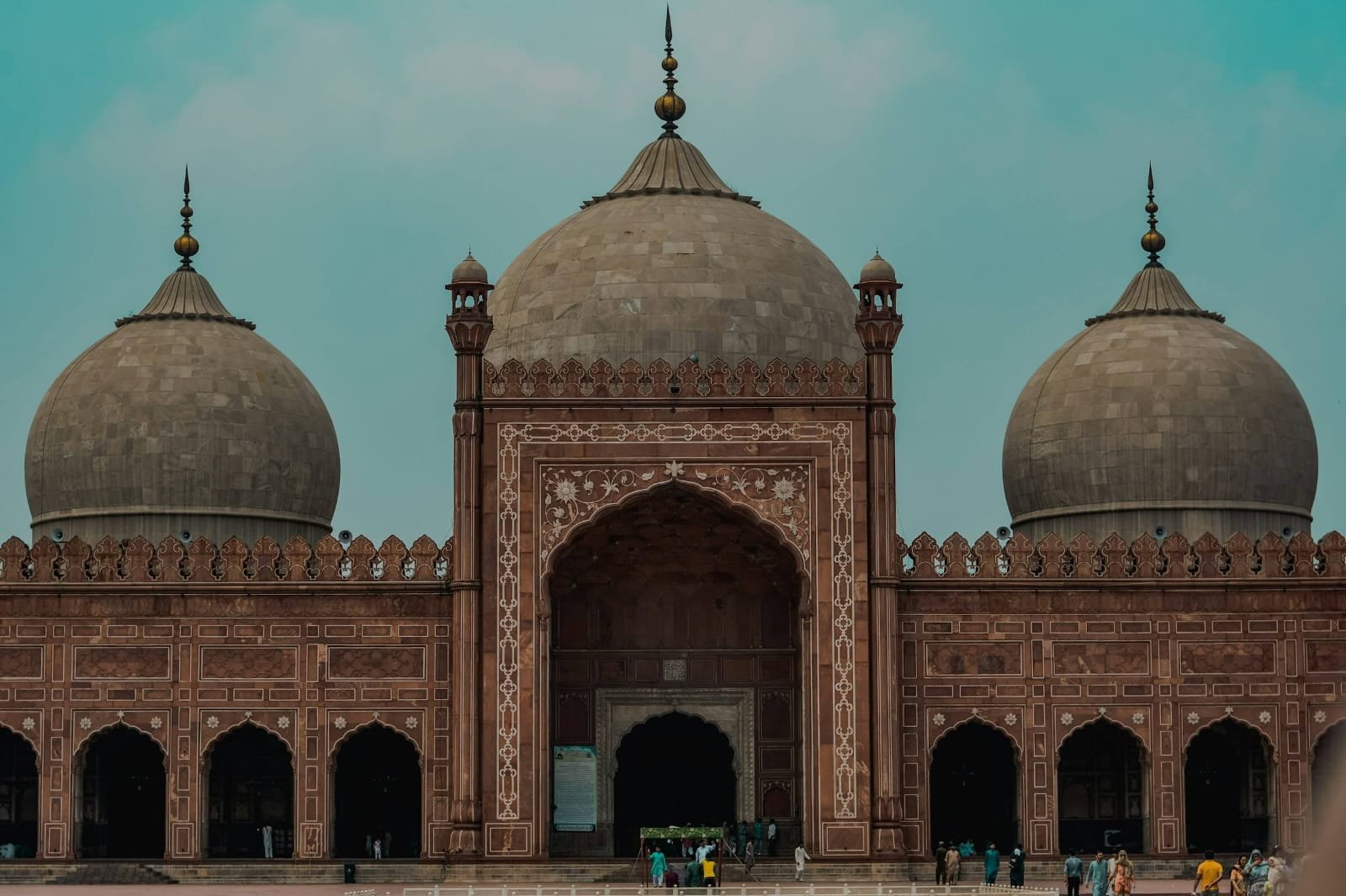
Legend has it that the name Lahore comes from “Lohawar,” meaning “The Fort of Lava,” based on the belief that the city was founded by Lava, the son of Rama from the Hindu epic Ramayana. Others believe the name comes from the word “Lohar,” meaning blacksmith. Whatever its true origin may be, one thing is certain. Lahore is a sight to behold. As the famous saying goes, “Jinne Lahore nai vekhya, o jamya hi nai,” meaning, “Whoever has not seen Lahore has not yet been born.”
Lahore is the capital of Punjab, Pakistan, but it is far more than just an administrative city. It is known for its culture, architecture, food, poetry, and its incredibly hilarious yet deeply intelligent people. If Pakistan had a heartbeat, it would probably sound like Lahore.
Historical Importance of Lahore
Lahore is not just a city. It is a layered story. It served as a major capital during the Mughal Empire, especially under emperors like Akbar, Jahangir, and Shah Jahan. Later, it became the capital of the Sikh Empire under Maharaja Ranjit Singh. During British colonial rule in the Indian subcontinent, Lahore remained an important administrative and cultural center. Lahore also holds immense significance in the history of Pakistan. It was here, at Minto Park now known as Iqbal Park, that the Lahore Resolution was passed on 23rd March 1940. This resolution eventually led to the creation of Pakistan.
Culture and People of Lahore
Lahore is loud, alive and never still. Punjabi is widely spoken here, and the spirit of Punjabi culture runs deep in everyday life. From Sufi shrines like Data Darbar to qawwalinights and poetry gatherings, spirituality and celebration exist side by side.This is a city where roads are always busy, markets are always crowded, and there is always something happening. Whether it is people going to work, attending a wedding, sitting at a roadside dhaba, or simply driving around for no reason at all, Lahore is always in motion.
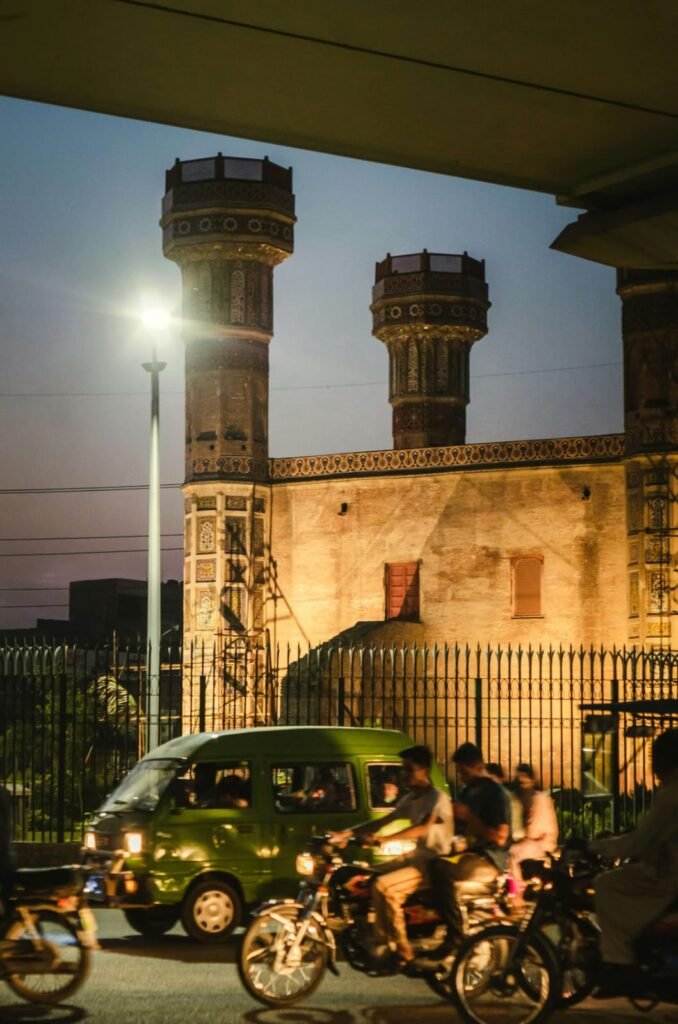
The people of Lahore are characters on their own. Loud, funny, welcoming, dramatic, and full of life. You will find some of the most humorous and sharp minded people here. And yes, it is almost a universal rule to never fully trust a Lahori’s sense of direction. They will confidently send you the wrong way and still smile about it. Food and Lahoris are inseparable. From Gawalmandi Food Street to MM Alam Road, from roadside dhabas to high end restaurants, the city eats like it means it. Nihari, paye, biryani, and karahi are not just meals, they are events.
Art and Literature
If you are looking for a city rich in art and literature, Lahore will not disappoint. From classical Mughal miniature art to modern installations, creativity flows naturally here. Local artisans work with glass, truck art, wood carving, fresco painting, calligraphy, ceramics, and mosaics. The Walled City alone feels like an open gallery.
Alhamra Arts Council on Mall Road remains the central hub for exhibitions, theatre, music performances, and cultural festivals. The National College of Arts, commonly known as NCA, is one of the most prestigious art institutions in Pakistan. Its red brick building is iconic, and generations of artists, designers, and architects have graduated from there.
The Lahore Literary Festival has gained international recognition over the years. It brings together writers, historians, poets, and thinkers. Names like Faiz Ahmed Faiz, Allama Iqbal, Manto, and Bano Qudsia are deeply connected to Lahore’s literary identity. Their words still echo in the city’s cafés and classrooms.
Architecture
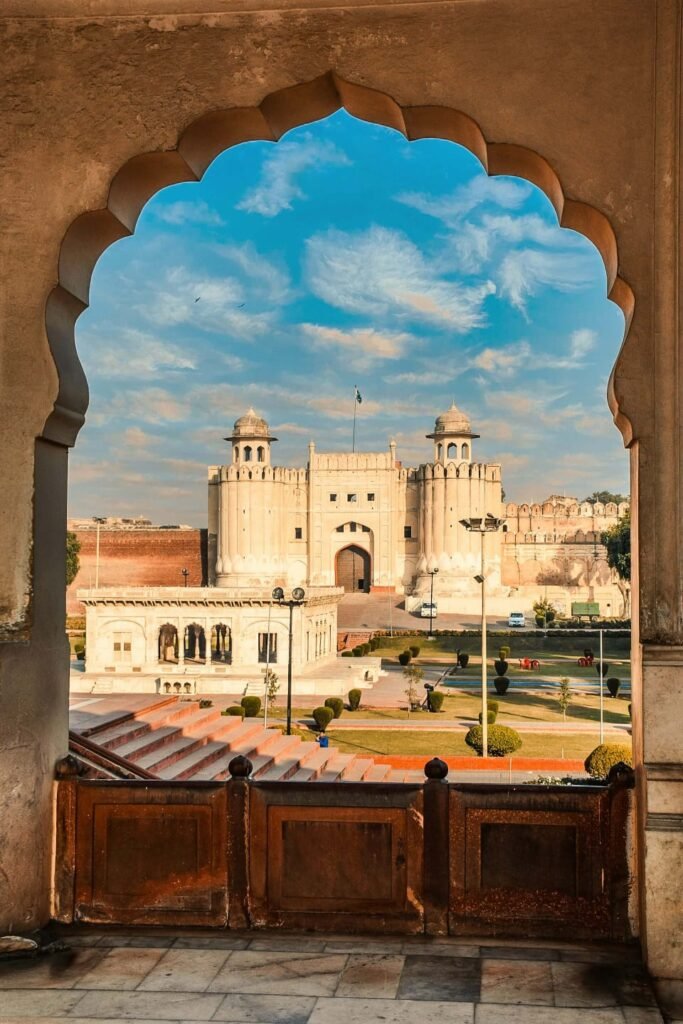
Each empire left its mark on Lahore, and the architecture of the city proves it. The Lahore Fort stands as a powerful reminder of Mughal grandeur, with intricate marble work and detailed frescoes. Within it lies the Sheesh Mahal, the Palace of Mirrors, famous for its delicate mirror mosaics that reflect light beautifully.
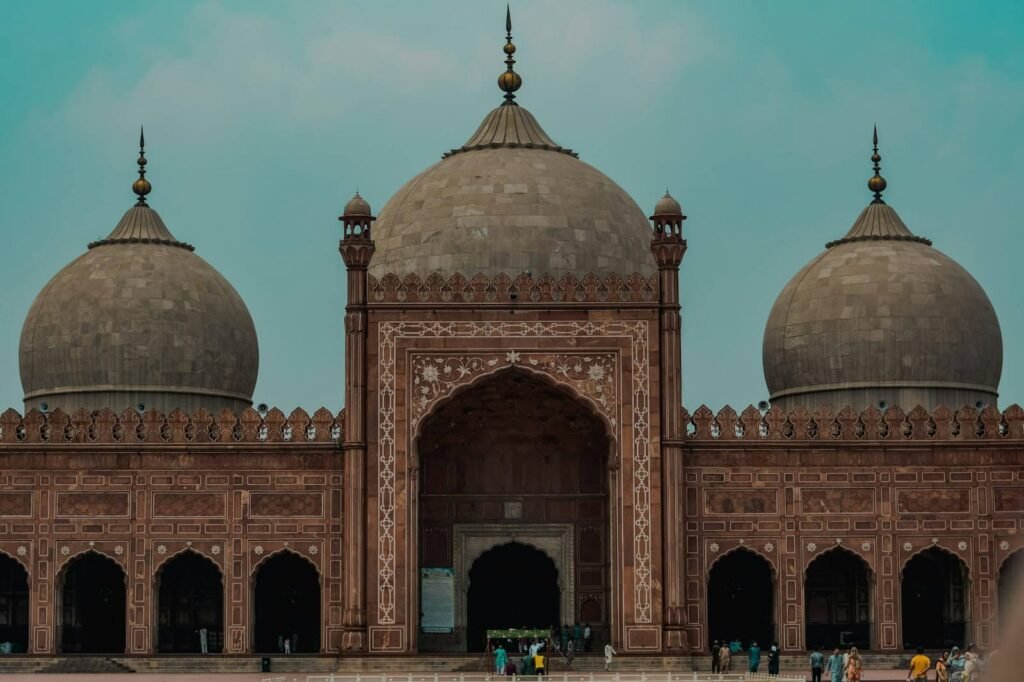
The Badshahi Mosque, built by Emperor Aurangzeb, remains one of the largest mosques in the world. Its red sandstone structure and white marble domes dominate the skyline of Old Lahore.
The Shalimar Gardens reflect the Mughal love for symmetry, water features, and paradise inspired design. The Lahore Museum, built during British rule, showcases a mix of Mughal and colonial architectural styles and houses priceless artifacts from Gandhara civilization.
And then there is Androon Lahore, the Walled City. Delhi Gate, narrow streets, wooden balconies, carved doors, and centuries old havelis tell stories without speaking. Walking there feels like walking through time itself.
Conclusion
Lahore is not just the heart of Pakistan because it is big or important. It is the heart because it feels alive in a way that is hard to explain. It carries centuries of history, layers of culture, and an unmatched love for food, poetry, and conversation. It has seen empires rise and fall, borders drawn, and generations change, yet it remains loud, warm, and welcoming. Lahore is chaos in the best way possible. And once you experience it, a part of you never really leaves.


