
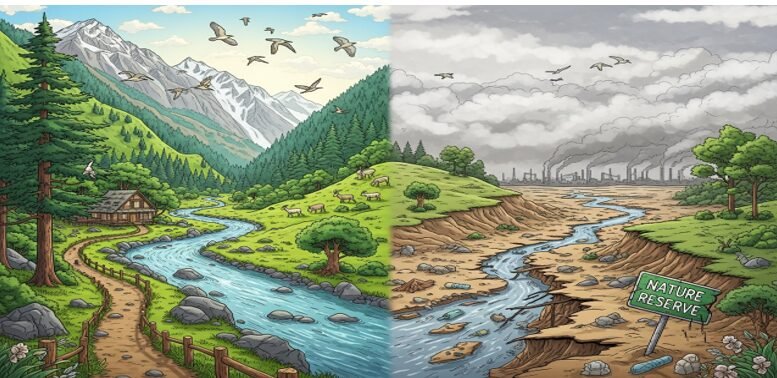
Eco-tourism in Pakistan is steadily gaining recognition as travelers seek meaningful, nature-based experiences that promote environmental conservation and support local communities. With its diverse landscapes ranging from snow-capped mountains and lush valleys to deserts, wetlands, and coastal areas, Pakistan holds immense potential to become a leading eco-tourism destination in South Asia. However, alongside these opportunities, several challenges must be addressed to ensure sustainable and responsible growth.
Understanding Eco-Tourism in Pakistan
Eco-tourism focuses on responsible travel to natural areas that conserves the environment, sustains the well-being of local people, and educates visitors. In Pakistan, eco-tourism is closely linked to wildlife conservation, cultural preservation, and community-based tourism, particularly in remote and environmentally sensitive regions.
Opportunities for Eco-Tourism in Pakistan
1. Rich Natural Diversity
Pakistan is home to some of the world’s most breathtaking natural attractions. The northern areas, including Gilgit-Baltistan, Hunza Valley, Skardu, Fairy Meadows, and Deosai National Park, attract eco-tourists interested in trekking, wildlife observation, and mountain tourism. Similarly, the mangroves of Sindh, Hingol National Park in Balochistan, and the deserts of Thar offer unique eco-tourism experiences.
2. Wildlife and Conservation Tourism
Pakistan hosts rare and endangered species such as the snow leopard, Himalayan brown bear, markhor, and Indus River dolphin. Wildlife sanctuaries and national parks present strong opportunities for conservation-focused tourism that raises awareness while generating funds for environmental protection.
3. Community-Based Tourism
Eco-tourism has the potential to empower local communities by creating employment opportunities in guiding, hospitality, handicrafts, and cultural tourism. Regions like Kalash Valley and parts of Khyber Pakhtunkhwa have already demonstrated how community-led initiatives can enhance both livelihoods and cultural preservation.
4. Growing Interest in Sustainable Travel
With a global shift toward sustainable and ethical travel, Pakistan is increasingly appealing to international and domestic travelers seeking off-the-beaten-path destinations. Eco-friendly travel experiences, homestays, and low-impact tourism activities are becoming more popular, particularly among younger travelers.
Challenges Facing Eco-Tourism in Pakistan
1. Inadequate Infrastructure
Poor road networks, limited public transport, and a lack of eco-friendly accommodations in remote areas hinder the growth of eco-tourism. Many natural destinations remain difficult to access, discouraging responsible tourists and investors.
2. Environmental Degradation
Unregulated tourism, improper waste management, deforestation, and pollution pose serious threats to fragile ecosystems. Popular tourist spots often suffer from littering and overuse, which undermines the core principles of eco-tourism.
3. Lack of Awareness and Training
Limited understanding of sustainable tourism practices among local stakeholders, tour operators, and visitors affects service quality and environmental protection. Training in eco-tourism management and environmental education remains insufficient.
4. Policy and Regulatory Gaps
While tourism policies exist, their implementation is often weak. The absence of strict environmental regulations, monitoring systems, and coordinated planning creates challenges in maintaining sustainable tourism standards.
The Way Forward
To unlock the full potential of eco-tourism in Pakistan, a balanced approach is essential. Investment in sustainable infrastructure, strict environmental regulations, community engagement, and awareness campaigns can significantly improve outcomes. Public-private partnerships and collaboration with local communities can help develop eco-tourism models that protect nature while promoting economic growth.
Conclusion
Eco-tourism in Pakistan presents a powerful opportunity to showcase the country’s natural beauty, protect its ecosystems, and uplift local communities. By addressing existing challenges through responsible planning and sustainable practices, Pakistan can position itself as a competitive and respected eco-tourism destination on the global stage.


