
Introduction
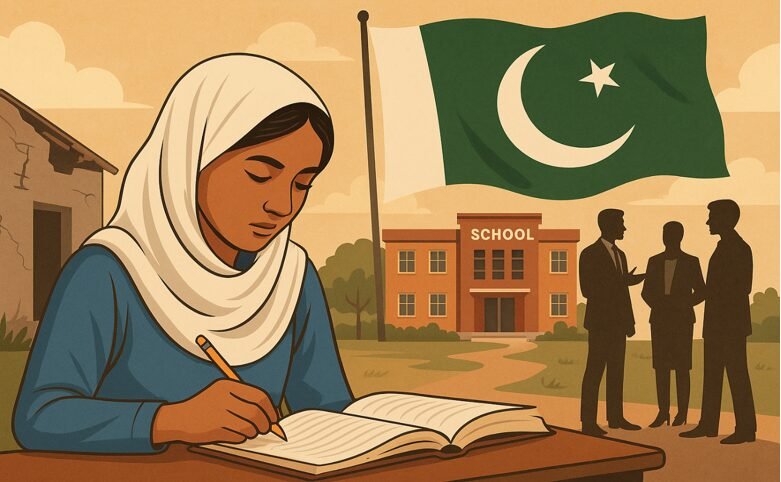
The education sector in Pakistan is undergoing a significant transformation. With the rise of digital learning, government reforms, and increasing awareness about the importance of quality education, Pakistan is witnessing a gradual but meaningful shift in its academic framework. This article explores the changing landscape of education in Pakistan, focusing on modern trends, challenges, reforms, and the potential for sustainable educational growth.
1. Evolution of Education in Pakistan
Since independence, Pakistan’s education system has faced numerous challenges — from limited access to quality education to regional disparities and outdated curricula. However, the last decade has brought a wave of change. The government and private sectors have begun to invest heavily in digital learning platforms, teacher training, and curriculum modernization. Initiatives like the Single National Curriculum (SNC) aim to create uniformity and equality across public and private schools, bridging the learning gap among students from different backgrounds.
2. Rise of Digital and Online Learning
The COVID-19 pandemic accelerated the adoption of e-learning and online education in Pakistan. Educational platforms such as Taleemabad, Sabaq Foundation, and Edkasa have revolutionized access to knowledge, especially for students in remote areas. The government’s TeleSchool initiative further supported distance learning by broadcasting lessons on national television.
Today, digital education in Pakistan is becoming a crucial part of the educational ecosystem, offering flexibility and inclusivity to learners across socioeconomic backgrounds.
3. Educational Reforms and Government Initiatives
The government of Pakistan has launched several programs to enhance education quality and access. Notable reforms include:
- Single National Curriculum (SNC) for uniform learning standards.
- Ehsaas Undergraduate Scholarship Program to support financially challenged students.
- National Education Policy Framework 2025, which focuses on improving literacy rates and technical skills.
These reforms aim to reduce the urban-rural divide and promote inclusive education for all.
4. The Role of Private and Non-Governmental Organizations (NGOs)
Private schools and NGOs play a pivotal role in reshaping Pakistan’s education sector. Organizations like The Citizens Foundation (TCF), Akhuwat Foundation, and Care Foundation have made quality education accessible to underprivileged children. Their community-based models not only improve literacy but also empower youth with vocational and skill-based education to prepare them for future job markets.
5. Focus on Skill Development and Technical Education
In recent years, Pakistan has placed growing emphasis on technical and vocational training to meet global employment demands. Programs initiated under NAVTTC (National Vocational and Technical Training Commission) are equipping young Pakistanis with skills in technology, construction, and entrepreneurship.
Such developments mark a shift from traditional rote learning to practical, skill-based education, aligning Pakistan’s workforce with international standards.
6. Challenges in the Education Sector
Despite positive changes, Pakistan’s education system still faces several hurdles:
- High dropout rates, especially among girls in rural areas.
- Insufficient infrastructure and teacher training.
- Low literacy rate (around 58%, according to recent reports).
- Inequality in access to quality education between urban and rural regions.
Addressing these issues requires consistent investment, policy implementation, and public-private partnerships.
7. The Future of Education in Pakistan
The future of education in Pakistan looks promising. With technological integration, curriculum modernization, and improved access, the country is on a path toward a knowledge-based economy. Encouraging innovation, promoting research, and empowering teachers can further strengthen the system.
Conclusion
The changing landscape of education in Pakistan reflects a nation striving to balance tradition with modernity. While challenges remain, the combined efforts of the government, private sector, and NGOs are reshaping Pakistan’s educational narrative. By investing in technology, inclusivity, and skill development, Pakistan can build an educated, empowered, and forward-looking generation capable of driving national progress.


