
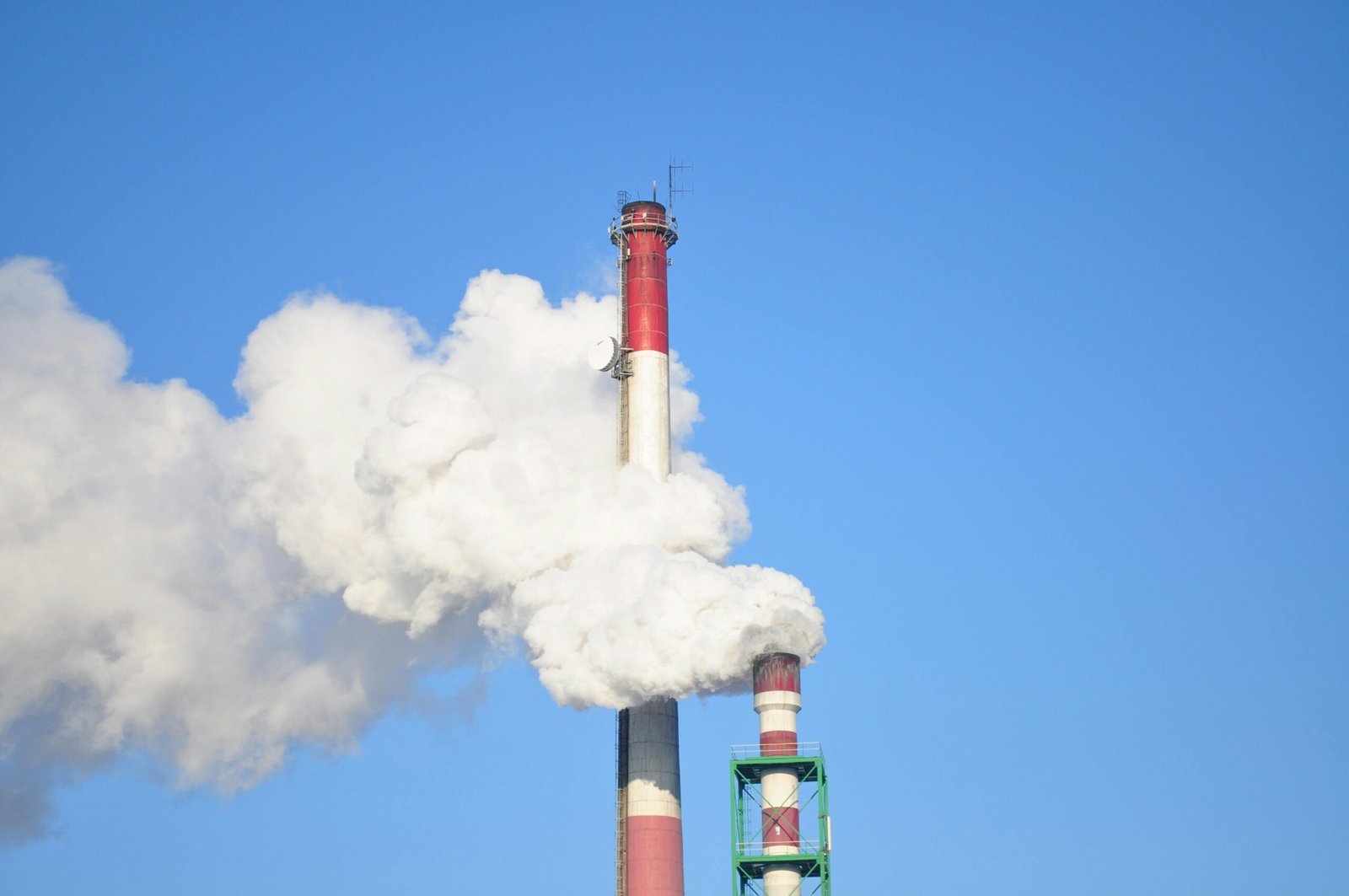
Air pollution is something people are becoming more aware of with each passing year. In, Pakistan this issue has grown from a seasonal concern into a constant part of daily life. What once felt like a temporary problem is now affecting people across cities and regions.
Today, conversations around air quality are no longer limited to experts. From daily commuters to families at home, everyone is feeling its effects in different ways. This growing concern has made it important to understand what is happening and why it matters.
Air Pollution in Pakistan and Its Impact
Air pollution has become one of the most serious environmental challenges in Pakistan. Over the past decade, air quality has declined in several major cities. What was once seen as a seasonal issue is now affecting people throughout the year.
Cities like Lahore, Karachi, and Islamabad are among the most affected. Lahore, in particular, often ranks among cities with the worst air quality during the winter months.
According to global air quality reports, Pakistan has repeatedly been listed among the most polluted countries. This highlights how serious the situation has become.
Causes of Air Pollution in Pakistan
The issue is caused by multiple factors working together.
Vehicle emissions are a major contributor. The number of cars and bikes has increased rapidly, and many vehicles still run on outdated engines that release harmful gases.
Industrial activity also plays a role. In cities like Faisalabad and Karachi, factories release smoke and chemicals into the air, often without strict environmental controls.
Construction dust adds another layer to the problem. Rapid urban development means more building sites and unpaved roads. As a result, fine particles remain in the air for long periods.
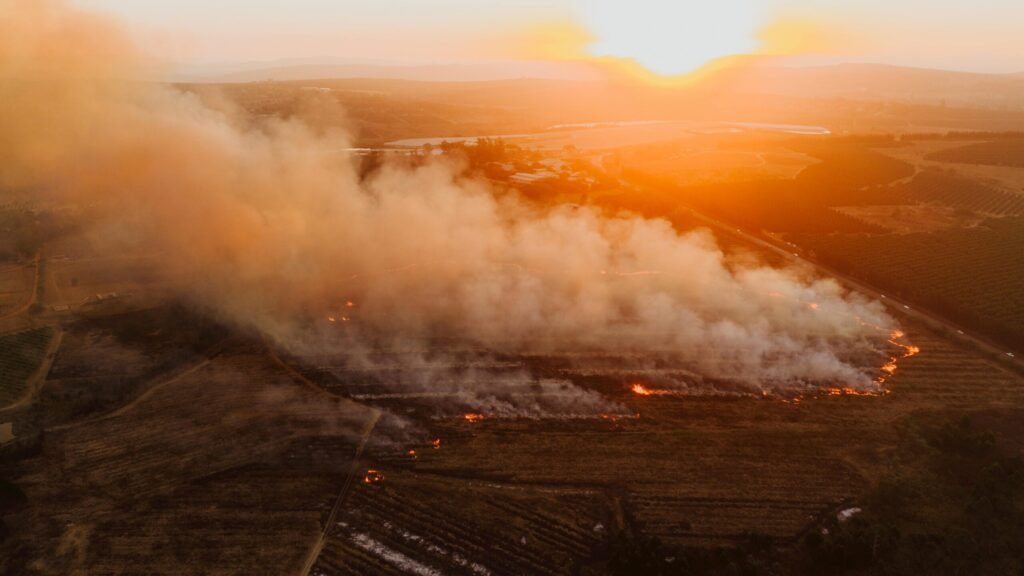
In addition, crop burning in nearby regions contributes to smog, especially during certain months of the year.
Smog in Lahore and Seasonal Changes
The situation becomes more visible during winter, especially in Lahore. Smog forms when pollutants mix with fog under specific weather conditions.
During this time, cold temperatures and low wind speed trap pollutants close to the ground. As a result, a thick haze covers the city.
Lahore has experienced extremely high Air Quality Index levels in recent years, sometimes crossing hazardous ranges. Schools often close temporarily, and residents are advised to limit outdoor activities.
Although smog is most visible in winter, poor air quality remains a concern in other seasons as well.
Health Effects and Public Concerns
The health impact is serious and affects millions of people.
Short term exposure can cause coughing, throat irritation, and difficulty in breathing. Many people also experience eye discomfort during high smog days.
Children and older adults are more vulnerable. Their bodies are less able to cope with polluted air.
Long term exposure can lead to chronic illnesses such as asthma, lung disease, and heart problems. According to the World Health Organization, air pollution is one of the leading environmental risks to human health worldwide.
Hospitals in major cities often report an increase in respiratory cases during peak smog periods.
Impact on Daily Life and Economy
The effects are not limited to health alone.
In cities like Lahore and Islamabad, daily life is often disrupted during periods of heavy smog. Schools may close, outdoor activities are reduced, and traffic becomes more difficult due to low visibility.
Businesses also feel the impact. Travel delays, reduced productivity, and increased healthcare costs create economic pressure.
At the same time, families spend more on masks, medicines, and air purifiers, which adds to their expenses.
Efforts to Address the Problem
Authorities have taken steps to manage the situation, especially during peak seasons.
Measures include limiting industrial activity, controlling traffic, and introducing environmental regulations. Tree plantation campaigns have also been promoted to improve air quality over time.
In recent years, Pakistan has worked with neighboring countries to address cross border pollution as well.
However, implementation remains inconsistent. Without strict enforcement and long term planning, progress remains slow.
Role of Public Awareness
Public awareness is gradually increasing.
People are becoming more careful about their daily habits. Many now check air quality levels before planning outdoor activities. The use of masks has also become more common during smog season.
Simple actions such as reducing unnecessary travel, using public transport, and avoiding waste burning can help reduce pollution levels.
As awareness grows, so does the demand for stronger action.
Looking Ahead
The situation requires long term solutions and consistent effort.
Urban planning, cleaner energy sources, and stricter regulations can help improve conditions over time. At the same time, cooperation between the government and the public is essential.
Clean air is not just an environmental goal. It is necessary for a healthy and sustainable future.


