
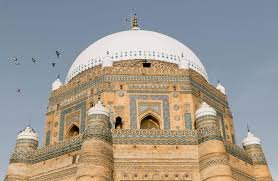
Pakistan’s Historical Cities hold centuries of culture, architecture, and identity. However, many of them remain overlooked despite their historical importance and beauty.
When people think about tourism in Pakistan, they often focus on the northern areas. While those destinations deserve attention, many older cities across the country hold significant stories about civilization, trade, religion, and culture.
From ancient streets to Mughal architecture, these places reflect how deeply history is connected to modern Pakistan.
At the same time, many of these cities face challenges. Urban expansion, poor preservation, and lack of tourism planning continue to affect their historical value.
Still, interest in cultural tourism is slowly growing. As a result, more travelers are beginning to rediscover places that were once forgotten.
Why Pakistan’s Historical Cities Matter Today
Pakistan’s history stretches back thousands of years. Because of this, its cities contain influences from many civilizations, including the Indus Valley Civilization, the Mughals, Persians, Sikhs, and British colonial rule.
These cities are not just tourist locations. They are living records of how people once lived, traded, worshipped, and built communities.
In addition, historical cities support local economies. Tourism creates opportunities for hotels, guides, restaurants, transport services, and small businesses.
Cultural preservation also helps protect national identity. Without preservation, important parts of history may slowly disappear. Today, younger generations are also becoming more interested in heritage tourism. Social media, photography, and travel content have helped increase awareness of these places.
Underrated Pakistan’s Historical Cities Worth Exploring
Many historical places in Pakistan remain under-discussed despite their cultural importance. Some of them include:
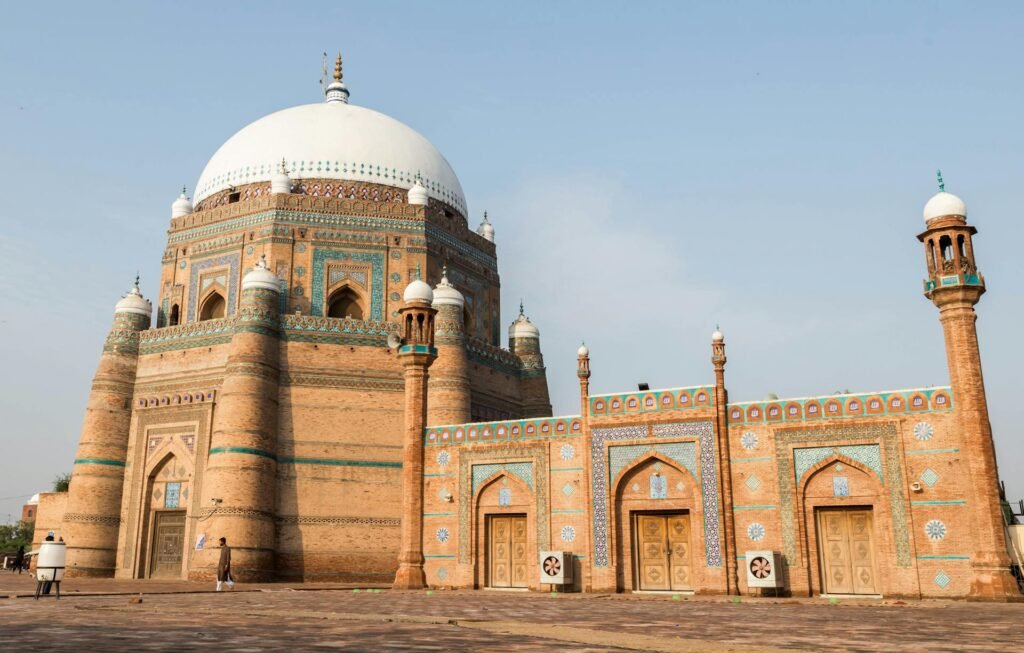
Multan
Known as the “City of Saints,” Multan is famous for its shrines, blue pottery, and centuries-old architecture. Its spiritual history attracts visitors from across the country.
Thatta
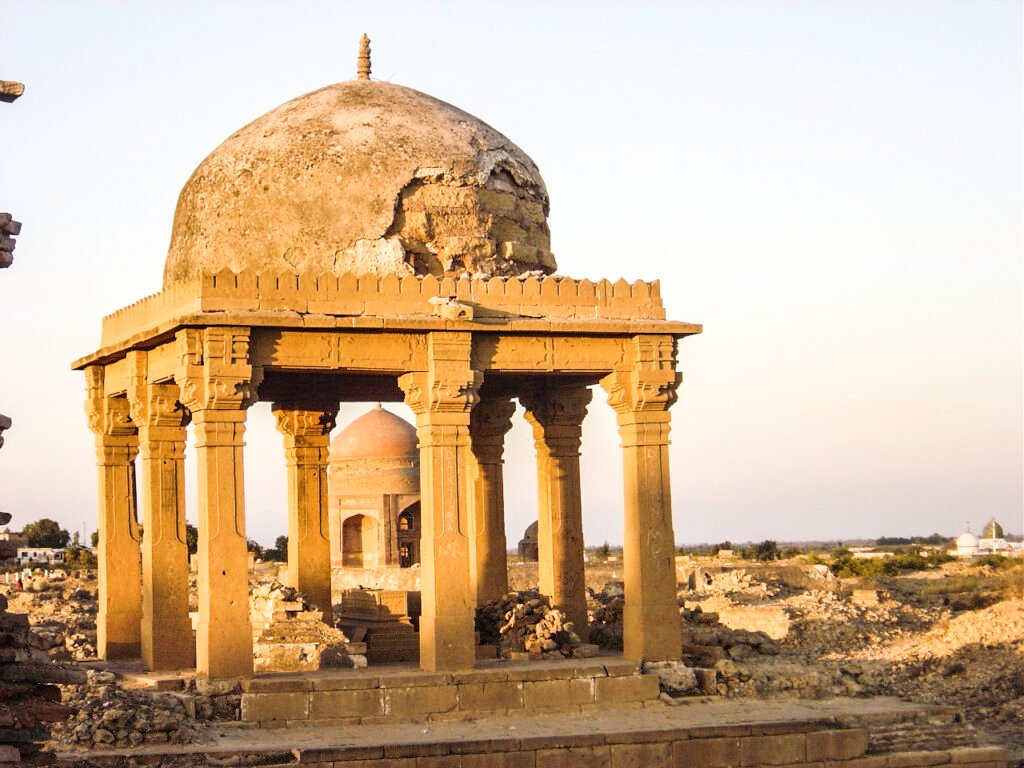
Located in Sindh, Thatta was once an important center of Islamic learning and trade. The Shah Jahan Mosque and Makli Necropolis reflect its historical significance.
Rohtas Fort
Jhelum is home to the historic Rohtas Fort, a UNESCO World Heritage Site. The city represents military architecture from the Sur Empire period.
Uch Sharif
This lesser-known city in Punjab contains ancient tombs, shrines, and religious history connected to Sufi culture.
Peshawar
Peshawar is one of the oldest living cities in South Asia. Its old bazaars, food culture, and architecture still carry traces of centuries of trade and migration.
Bhit Shah
This small town in Sindh is deeply connected to Sindhi culture and Sufism through the shrine of Shah Abdul Latif Bhittai.
The Cultural Significance of Pakistan’s Historical Cities
Pakistan’s Historical Cities are more than tourist destinations. They carry traditions, languages, art, food, and spiritual practices that have survived for generations.
For example, Multan’s identity is deeply connected to Sufi culture and spiritual history. Similarly, Thatta reflects centuries of Islamic architecture and scholarship.
In Peshawar, old bazaars and traditional food still preserve traces of ancient trade routes and regional influences. Meanwhile, Bhit Shah continues to celebrate Sindhi poetry, music, and literature through the legacy of Shah Abdul Latif Bhittai.
These cities also help younger generations understand how diverse Pakistan’s identity truly is. Their streets, shrines, forts, and markets tell stories that textbooks often cannot fully explain.
As modern life changes rapidly, preserving these cultural spaces becomes even more important. Without protection and awareness, many traditions connected to these places could slowly disappear over time.
The Future of Pakistan’s Historical Cities
Pakistan’s Historical Cities have strong tourism potential. However, preservation must become a bigger priority.
Many old buildings continue to suffer from pollution, overcrowding, and poor maintenance. In some areas, modern construction is replacing historical spaces too quickly.
At the same time, there is growing public awareness about cultural preservation. More people are now discussing heritage, architecture, and local tourism online. This shift could help these cities gain more recognition in the future.
Investment in restoration projects, tourism infrastructure, and cultural education could also create economic opportunities for local communities. Most importantly, preserving these places protects stories that cannot be replaced.
Pakistan’s future should not come at the cost of its history. Instead, development and preservation must grow together.
Conclusion
Pakistan is full of historical cities that deserve more attention. While some destinations dominate tourism conversations, many culturally rich cities remain overlooked.
These places are more than old streets and buildings. They represent identity, tradition, and collective memory.
As tourism grows, there is an opportunity to protect and celebrate these cities in a more meaningful way. Rediscovering Pakistan’s Historical Cities is not only about travel. It is also about understanding the roots of the country itself.


