
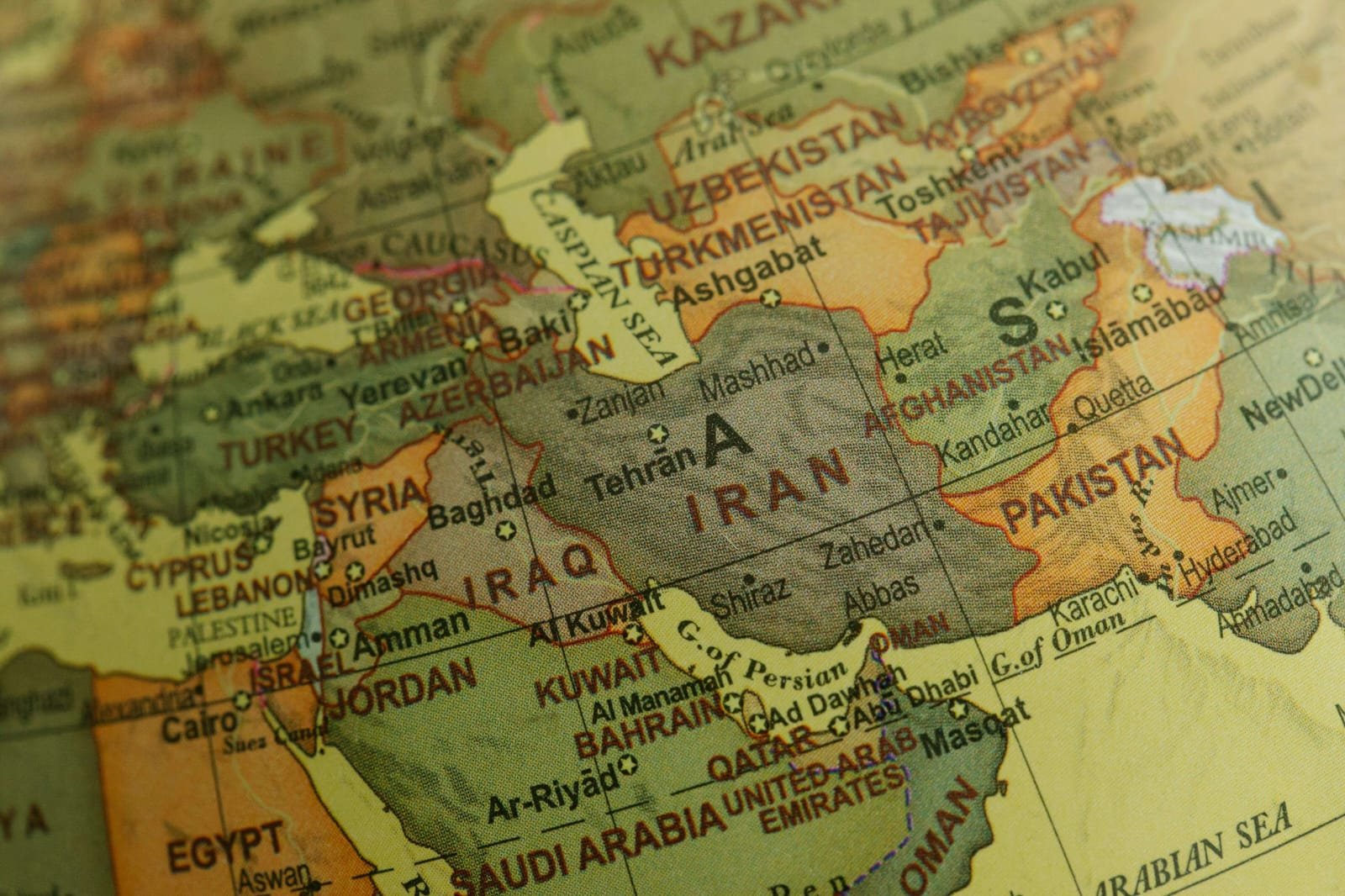
The ongoing conflict involving Iran, the United States, and Israel has become one of the most serious global crises in recent years. Military strikes, rising tensions, and uncertain diplomacy have created a complex situation in the Middle East. As the conflict continues, many countries are being affected directly or indirectly. Pakistan has emerged as an important player in this situation. Although it is not directly involved in the fighting, its position, relationships, and strategic interests have placed it at the center of diplomatic efforts. The country is trying to balance regional stability, internal pressures, and global expectations at the same time.
Pakistan’s Role in the Iran Conflict
Pakistan has taken a careful and balanced approach to the conflict. Instead of joining any side militarily, it has focused on diplomacy and stability. The government has called for restraint and emphasized the importance of dialogue.
Officials in Islamabad have expressed concern over the escalation of violence and its impact on the region. At the same time, it has maintained relations with both Iran and the United States. This balanced position allows it to act as a bridge between the two sides.
Reports suggest that Pakistan has condemned attacks that increase instability while also avoiding direct involvement in military operations. This approach reflects a strategy often described as limited alignment without entering the conflict itself.
Pakistan as a Mediator in the Iran War
One of the most important developments is Pakistan’s role as a mediator. In recent weeks, the country has been involved in backchannel diplomacy between the United States and Iran.
According to multiple reports, it is among a few countries helping relay messages between both sides. This is significant because direct communication between the United States and Iran remains limited.
High level contacts have taken place as well. Its leadership has communicated with both Washington and Tehran, offering support for peace efforts. These efforts aim to reduce tensions and prevent further escalation.
There are also discussions about hosting talks in Islamabad. If this happens, it could place Pakistan in a central diplomatic position in the region.
However, experts remain cautious. Mediation in such a complex conflict is difficult, and success is not guaranteed. Still, its involvement highlights its growing importance in regional diplomacy.
Military and Strategic Position
While Pakistan is not directly fighting in the war, it has taken steps to protect its own interests. The conflict has affected key areas such as energy routes and regional security.
To address these concerns, it launched measures to secure its sea lines and trade routes. These steps are important because disruptions in the Middle East can impact global energy supplies and trade flows.
At the same time, it has avoided sending troops or engaging in direct combat. Officials have clearly stated that the country does not want to become part of a larger war.
This cautious approach allows it to stay focused on its own security while still contributing to diplomatic efforts.
Internal Impact on Pakistan
The conflict has also affected Pakistan internally. Public reaction has been strong, especially among communities that feel closely connected to events in Iran.
Protests have taken place in different parts of the country, showing how global conflicts can influence domestic situations. These developments have created additional pressure on the government to manage both foreign policy and internal stability.
At the same time, it must consider its relationships with other countries, including Gulf states and Western allies. Balancing these relationships is not easy, especially during a crisis of this scale.
Regional Importance of Pakistan
Pakistan’s geographic location makes it an important country in this conflict. It sits close to Iran and maintains strong ties with several Middle Eastern nations.
Because of this position, it plays a role in maintaining regional stability. It also has economic interests linked to energy supplies and trade routes passing through the region.
If the conflict expands, it could face serious challenges. These include security risks along its borders and economic pressure due to rising oil prices.
At the same time, its neutral and diplomatic stance gives it an opportunity to strengthen its role as a regional mediator.
Global Implications
The Iran conflict has already affected global markets and political relations. Oil prices have shown fluctuations due to fears of supply disruption. This has created economic uncertainty for many countries, including Pakistan.
In addition, the possibility of a wider war remains a major concern. If more countries become involved, the situation could escalate quickly.
Pakistan’s efforts to promote dialogue are important in this context. By supporting diplomatic solutions, it is contributing to broader attempts to avoid further conflict.
Challenges Ahead
Despite its efforts, Pakistan faces several challenges. Mediation requires trust from all parties involved, and maintaining neutrality can be difficult.
Internal pressures, regional rivalries, and global politics all play a role in shaping its decisions. The country must carefully manage these factors to avoid becoming directly involved in the conflict.
At the same time, the situation continues to evolve. Military actions, political statements, and diplomatic efforts are changing rapidly.
Conclusion
Pakistan’s role in the Iran war highlights the importance of diplomacy in times of crisis. While the country is not directly involved in the fighting, it has positioned itself as a key mediator and regional actor.
By maintaining a balanced approach, it is trying to protect its own interests while contributing to peace efforts. Its actions reflect the challenges faced by countries that must navigate complex global conflicts without escalating them further.
As the situation develops, its role may become even more significant. Whether through mediation, diplomacy, or strategic decisions, its involvement will continue to shape the regional and global response to the crisis.


