
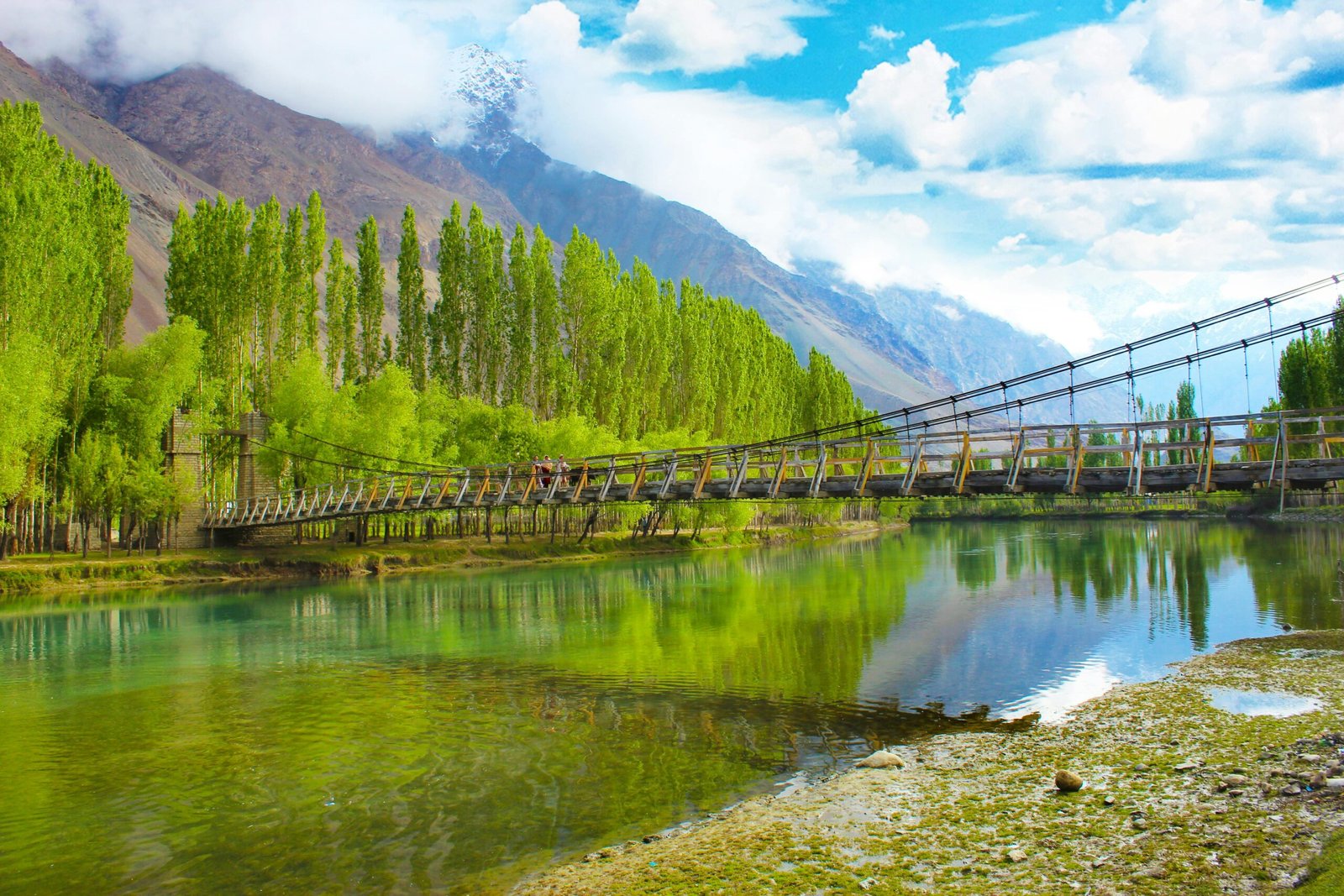
Pakistan experiences four distinct seasons, and each one brings its own charm, challenges, and cultural significance. From the intense heat of summer to the fresh bloom of spring, the seasons shape daily life across the country. Weather patterns influence food, clothing, travel, and even social gatherings.
Although the climate varies across regions, the changing seasons create a rhythm that people look forward to every year. Each season has something unique to offer, making life in Pakistan diverse and interesting.
Seasons in Pakistan and Their Unique Importance
The seasons in Pakistan are not just about changes in temperature. They reflect a way of life. People adjust their routines, clothing, and activities according to the weather. Farmers plan their crops based on seasonal cycles, while families plan trips and gatherings depending on the time of year.
From north to south, the experience of each season can feel very different. However, the emotional connection people have with these changes remains the same across the country.
Each season holds its own importance and leaves a lasting impact on daily life.
Seasons in Pakistan: The Long and Hot Summer
Summer is the longest and hottest season in Pakistan. It usually begins in May and continues until September. During this time, temperatures rise significantly, especially in southern and central regions.
Areas such as Jacobabad, Sibi, and parts of interior Sindh and southern Punjab experience some of the highest temperatures in the country. The heat can be intense, making daily activities more challenging.
In August, the monsoon season arrives. While rain brings temporary relief, it also increases humidity. As a result, the weather often feels even more uncomfortable despite the rainfall.
Even with the heat, summer has its own charm. People wear light and breezy clothes to stay comfortable. In the evenings, when the temperature drops slightly, families and friends gather outdoors. Tea, conversation, and simple moments bring relief after long hot days.
Rainy days in summer are especially loved. Children play in the rain, while families enjoy pakoras and tea at home. After the rain, clear skies sometimes reveal beautiful rainbows.
Summer is also known as the season of fruits. Mangoes are the most popular fruit during this time. People wait eagerly for them, and once they arrive in markets, they quickly become the center of attention. Along with mangoes, watermelons and melons are widely enjoyed.
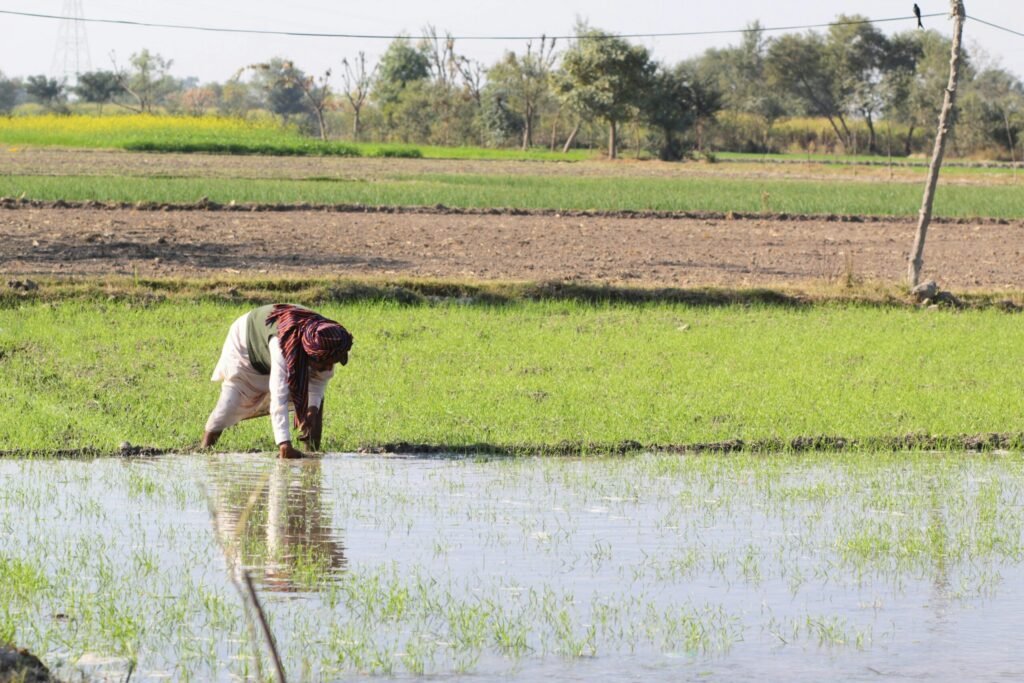
For farmers, summer is an important time for crops like cotton, rice, and sugarcane. Some cultural festivals and local fairs also take place in rural areas, often linked to harvest cycles and traditions.
Autumn in Pakistan: A Calm Transition
Autumn begins in October and brings a noticeable change in weather. The intense heat of summer starts to fade, and the temperature becomes more pleasant. This season is often seen as a period of balance.
The skies appear clearer, and the air feels lighter. In northern areas, trees begin to change color, creating beautiful landscapes. Shades of orange, yellow, and red can be seen in regions such as Hunza and Skardu.
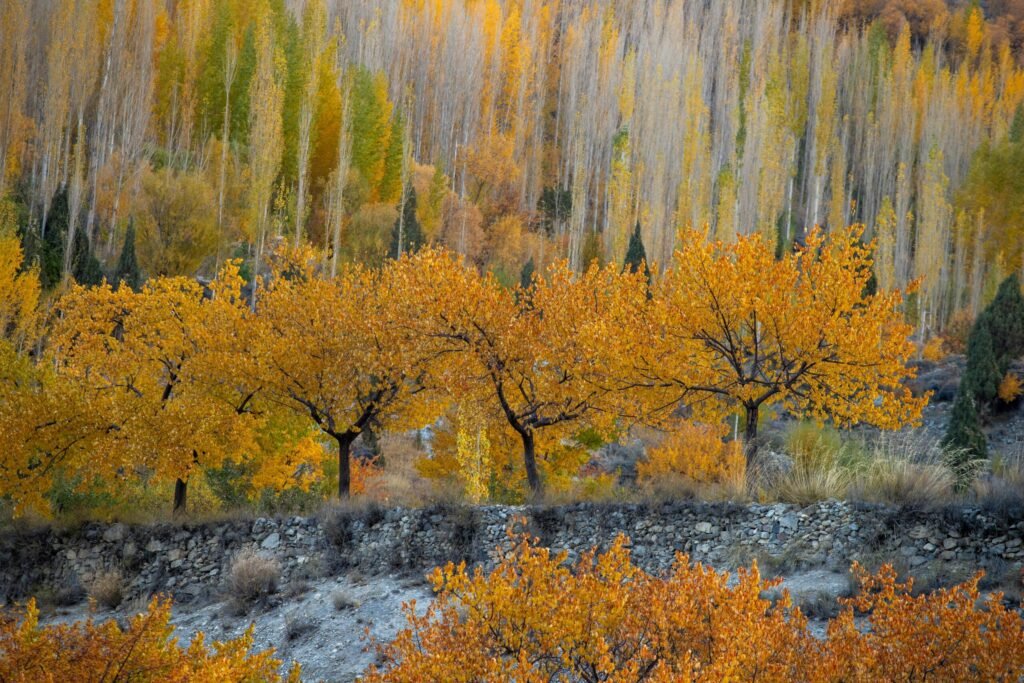
Because of the mild weather, autumn is considered one of the best times to travel in Pakistan. Tourists often visit northern areas to enjoy the scenic beauty without the harsh conditions of summer or winter.
This season also allows people to return to regular routines after the slower pace of summer. Outdoor activities become more comfortable, and cities feel more active again.
Winter in Pakistan: Cold and Challenging
Winter arrives in December and continues until February. The intensity of winter varies across the country. Northern areas experience extreme cold, while southern regions have milder temperatures.
In places like Gilgit Baltistan and northern Khyber Pakhtunkhwa, heavy snowfall is common. Snowstorms and freezing temperatures make daily life difficult. In Quetta and other parts of Balochistan, winters can also be very harsh.
In some remote northern regions, people temporarily move to lower areas with their livestock to escape extreme conditions. This seasonal movement helps them survive the harsh winter months.
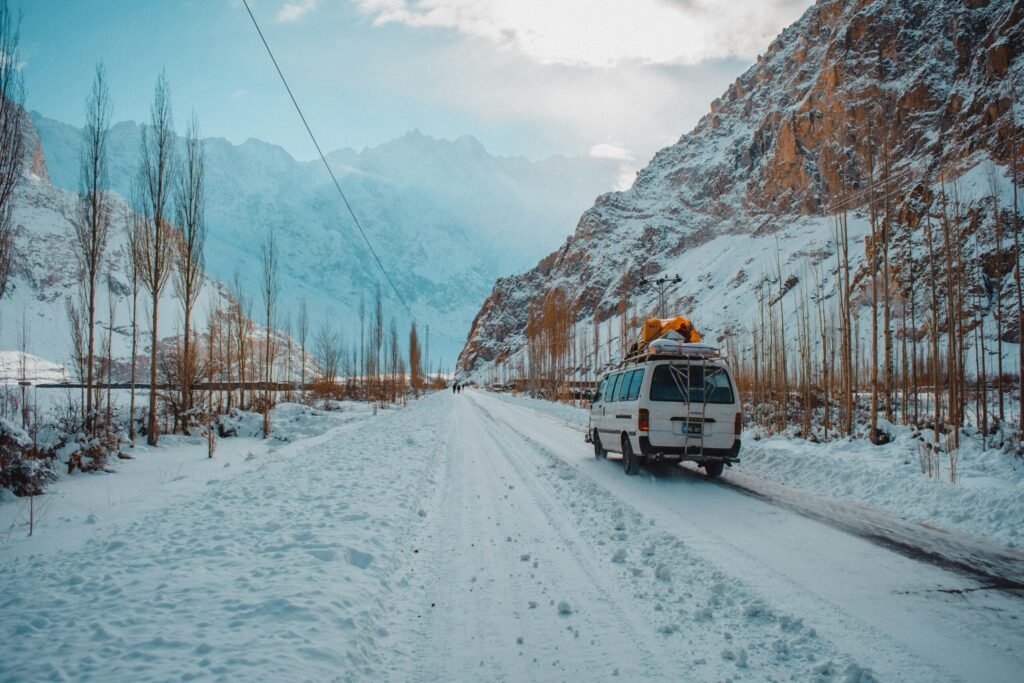
Despite the challenges, winter has its own beauty. Snow covered mountains attract tourists from across the country. Many people travel to enjoy snowfall and winter landscapes.
Daily life also changes during this season. Warm clothes, heaters, and traditional foods become essential. Soups, dry fruits, and hot beverages are commonly enjoyed.
At the same time, winter crops such as wheat are grown during this period. Farmers rely on this season for an important part of the agricultural cycle.
Spring in Pakistan: A Fresh Beginning
Spring arrives after winter and is often considered the most pleasant season in Pakistan. It usually begins in March and continues until April.
As the weather becomes warmer, trees and plants start to bloom. Flowers appear across fields, gardens, and parks. The environment feels fresh and lively after the cold winter months.
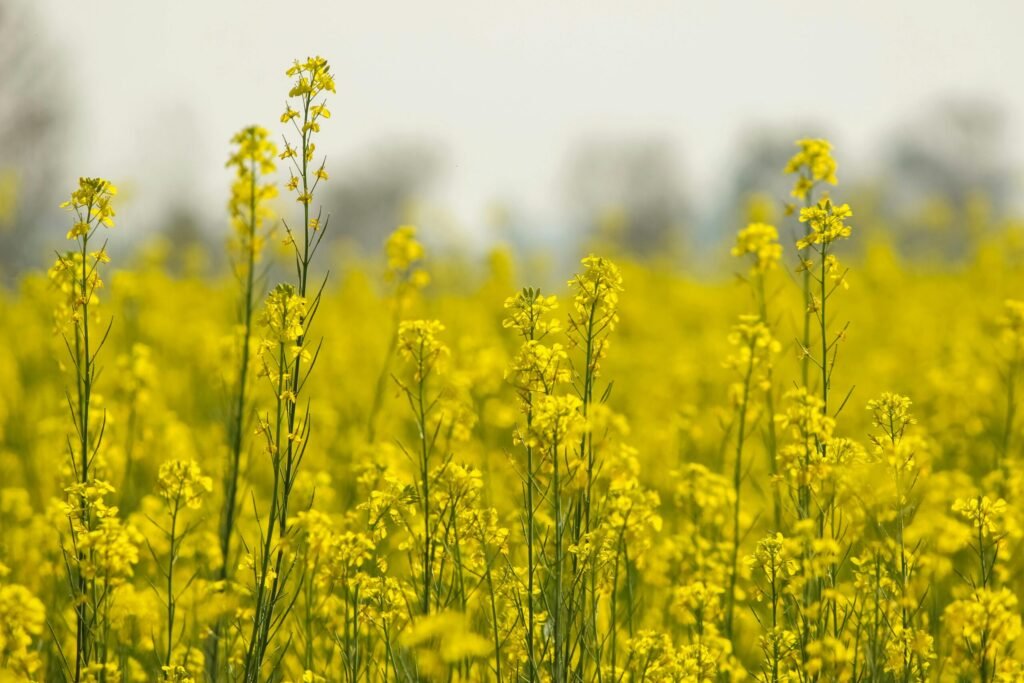
In Punjab, the arrival of spring is celebrated through the Basant festival, which is known for kite flying and bright colors. Although the festival is not officially celebrated everywhere now, it remains an important part of cultural memory.
Spring is also a time when people spend more time outdoors. Parks and public spaces become more active, and the overall mood feels lighter and more positive.
For farmers, this season marks growth and preparation for upcoming harvests. It plays a key role in the agricultural cycle.
Conclusion
The seasons in Pakistan create a natural cycle that shapes everyday life. Each season brings its own experiences, challenges, and joys.
Summer offers warmth, fruits, and lively evenings. Autumn provides calm weather and beautiful landscapes. Winter brings cold conditions along with stunning snowy views. Spring, on the other hand, refreshes the country with new life and color.
Together, these seasons form an important part of Pakistan’s identity. They influence not only the environment but also the culture, traditions, and daily routines of its people.


