

Ramadan is one of the most sacred months for Muslims around the world. It is a time of fasting, prayer, patience, and spiritual reflection. From dawn until sunset, Muslims abstain from food and drink while focusing on faith, gratitude, and helping others. The month encourages people to strengthen their relationship with God and to develop empathy for those who struggle with hunger and poverty.
At the end of this holy month comes Eid al Fitr, a joyful celebration that marks the completion of fasting. Eid is often seen as a reward for the patience and discipline shown during Ramadan. Across the Muslim world, the festival brings families and communities together in celebration.
In Pakistan, Ramadan and Eid carry a unique cultural charm. The country transforms during this period, with bustling bazaars, festive traditions, and a strong spirit of generosity.
Ramadan and Its Meaning for Muslims
Ramadan holds deep spiritual importance for Muslims. It is believed to be the month when the Quran was first revealed. Because of this, Muslims spend more time reading the Quran, praying, and reflecting on their actions.

Fasting during Ramadan is one of the Five Pillars of Islam. From the early morning meal known as sehri until sunset, Muslims avoid food, drink, and other physical needs. However, fasting is not only about hunger. It is also about controlling anger, practicing patience, and showing kindness to others.
This month reminds people to appreciate the blessings they have and to understand the struggles of those who have less. As a result, charity and generosity increase during Ramadan. Many families make a special effort to help the poor by donating food, money, and clothing.
Ramadan in Pakistan: A Month of Preparation
As Ramadan approaches, the atmosphere across Pakistan begins to change. Markets and bazaars become busier as people prepare for the holy month. Families shop for groceries, dates, fruits, and other items commonly used for iftar meals.
However, it is also common for the prices of goods to rise as demand increases. Fruits, vegetables, and essential food items often become more expensive in the days leading up to Ramadan. This situation is frequently discussed in the media and among the public. Eventually, as the month progresses, prices usually begin to settle again.
Despite these challenges, the excitement for Ramadan remains strong. Supermarkets, local stores, and street vendors all prepare for the increased demand. Many businesses also adjust their working hours to accommodate the fasting routine.
The Spirit of Iftar and Community
One of the most special moments during Ramadan is iftar, the meal that breaks the fast at sunset. In Pakistan, iftar is rarely a quiet or solitary event. Instead, it is often a time of gathering and sharing.
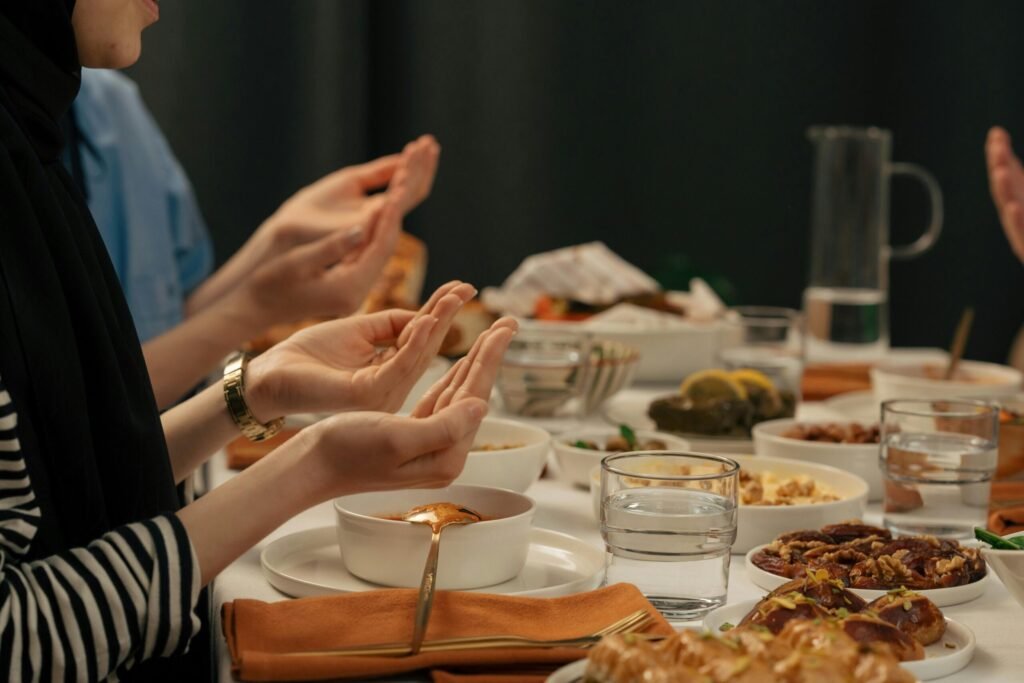
Families sit together around the table, waiting for the call to prayer that signals the end of the fast. Traditional foods such as dates, samosas, pakoras, fruit chaat, and refreshing drinks are commonly served. Restaurants across the country also host iftar buffets that attract large crowds of friends and families.
Sharing food is an important part of the culture. Many households send plates of iftar to their neighbors, strengthening bonds within the community. At the same time, charitable organizations and volunteers distribute meals to those who cannot afford them.
Because of this generosity, the spirit of helping others becomes stronger than ever during Ramadan.
A Festive Yet Spiritual Atmosphere
Although Ramadan is a time of reflection, it also brings a festive atmosphere across Pakistan. Bazaars remain lively late into the evening as people go out after iftar to shop and socialize.
Streets are decorated with lights, and food stalls become gathering points for families and friends. Markets selling clothes, shoes, and accessories begin preparing for the upcoming Eid festival.
At the same time, mosques across the country become more active. Special nightly prayers called Taraweeh are held after the evening prayer. These gatherings bring large numbers of worshippers together, creating a strong sense of unity within the community.
Muslims around the world also feel a greater sense of connection during Ramadan. Despite living in different countries and cultures, they share the same experience of fasting and prayer.
The Importance of the Last Ten Days of Ramadan
The final ten days of Ramadan hold special significance for Muslims. During this period, many people increase their worship and spend more time in prayer.
Some individuals observe a practice known as Itikaf. Men usually perform Itikaf in mosques, while women often observe it at home. During this time, they dedicate themselves to prayer, reflection, and reading the Quran.
These last days are believed to include Laylat al Qadr, often called the Night of Power. It is considered one of the holiest nights in Islam, and many Muslims spend the night in prayer and supplication.
Because of this spiritual importance, the atmosphere during the last ten days becomes more reflective and focused on faith.
Chaand Raat and the Excitement Before Eid
Once Ramadan comes to an end, excitement quickly builds for Eid. The night before the festival is known as Chaand Raat, which literally means the night of the moon.
As soon as the new moon is sighted, confirming the end of Ramadan, celebrations begin. Markets across Pakistan remain open all night, filled with people shopping for their Eid preparations.
Chaand Raat is especially exciting for young people and children. Girls often visit markets to buy colorful bangles known as churiyaan and to apply mehndi on their hands. The bazaars are decorated with bright lights and festive displays, creating a lively atmosphere.
For many families, Chaand Raat has become a tradition that marks the joyful transition from Ramadan to Eid.
Eid in Pakistan: A Celebration of Joy
Eid al Fitr is celebrated for three days in Pakistan and is one of the most cherished festivals in the country. The day begins with a special Eid prayer held in mosques and open prayer grounds.
After the prayer, people greet one another with warm embraces and the words “Eid Mubarak.” Families then gather at home to enjoy festive meals together.
Children often receive Eidi, which is money given by elders as a gift. New clothes are worn, and visits to relatives and friends continue throughout the day.
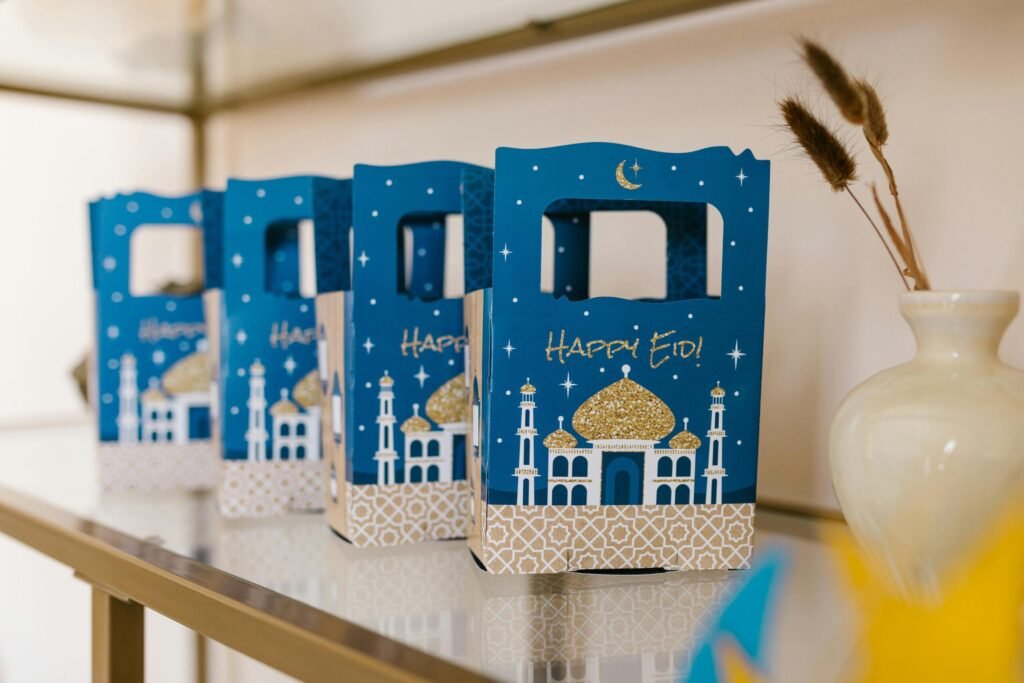
Food plays an important role in the celebration as well. Traditional dishes and sweet treats are prepared in many homes, adding to the joyful atmosphere.
Conclusion
Ramadan and Eid in Pakistan represent far more than religious observances. They are a time of spiritual reflection, generosity, and strong community bonds.
From the busy preparations before Ramadan to the lively celebrations of Eid, the entire period carries a unique sense of unity and warmth. People fast with patience, help those in need, and gather with loved ones to share meals and prayers.
In the end, the true beauty of Ramadan and Eid lies in their ability to bring people together while reminding them of faith, compassion, and gratitude. For many Pakistanis, these traditions remain some of the most meaningful moments of the year.


