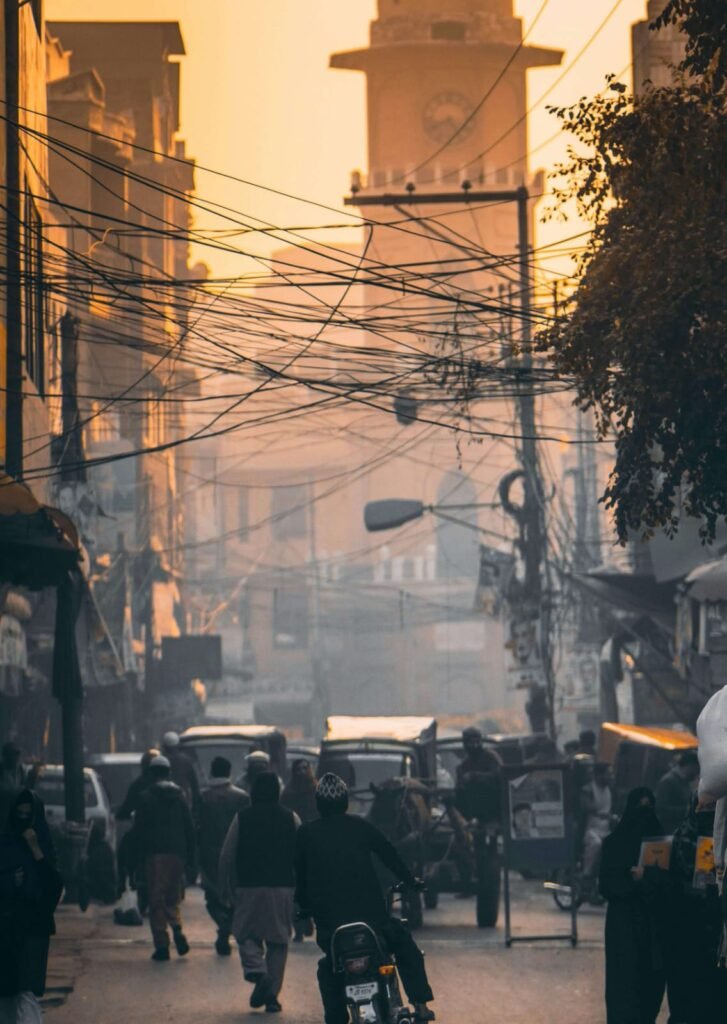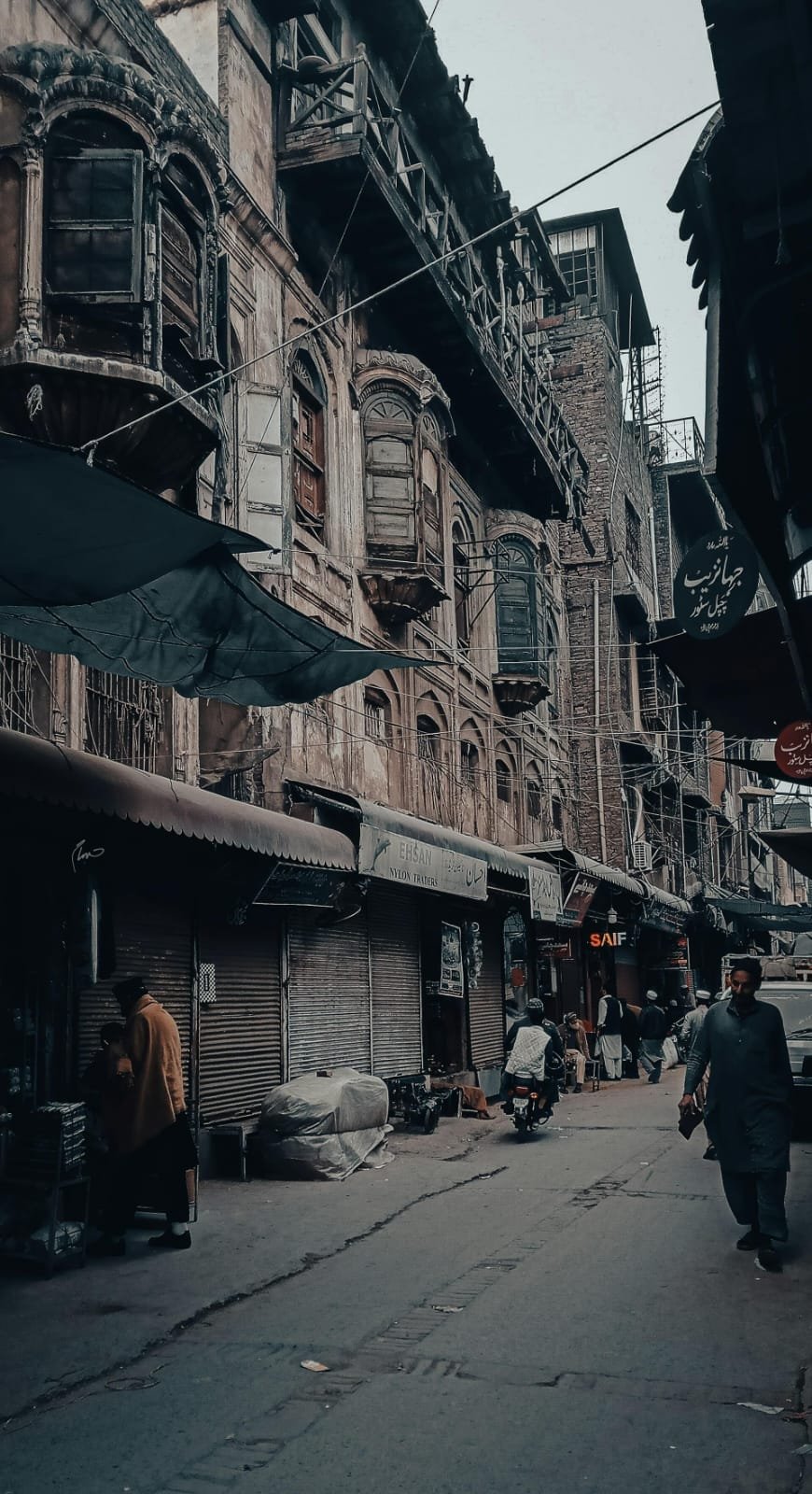
Within the province of Khyber Pakhtunkhwa lies one of the oldest cities in South Asia, Peshawar. Historically known as Purushapura, meaning “City of the Pious,” this ancient city carries centuries of history in its streets. Visiting Peshawar is not just a trip for foreigners to experience culture shock. Even for Pakistanis, it feels like stepping into a completely different rhythm of life. With its bustling bazaars, historic streets, rich food, and deeply rooted traditions, Peshawar stands proudly as one of Pakistan’s most culturally vibrant cities.
Culture and People of Peshawar
Peshawar is often called the beating heart of Pashtun culture. The majority of its people belong to the Pashtun community, with deep tribal roots connected to both Pakistan and Afghanistan. Hospitality is not just a habit here, it is a way of life. Pashtuns are known for their pride, loyalty, and their code of conduct called Pashtunwali, which emphasizes honor, respect, and protection of guests.
Pashto is widely spoken across the city, even though Urdu is Pakistan’s national language. The language itself carries strength and warmth at the same time.
Clothing in Peshawar is simple yet graceful. Men usually wear shalwar kameez, often in neutral or earthy tones, with structured collars and cuffs. The famous Peshawari chappal is a staple and has become popular all across Pakistan. Women also wear shalwar kameez, paired with a dupatta draped over the head or shoulders, giving a soft and elegant look. On special occasions, embroidered outfits take center stage. The heavier the embroidery, the more detailed and valuable the dress. For men, a change in fabric from cotton to a richer material is often enough for formal gatherings.
Food in Peshawar
The food in Peshawar deserves a section of its own. Meat holds a central place in the local cuisine, and the city is especially famous for its chapli kebabs. Crispy on the outside and juicy on the inside, these kebabs are known across Pakistan and beyond.
Namak Mandi is one of the most popular food streets in Peshawar. It is known for its freshly prepared karahi, grilled meats, and traditional Afghan-style dishes. Qissa Khwani Bazaar is another iconic spot where food, culture, and history blend together. Saddar Bazaar also offers a mix of traditional and modern eateries that attract both locals and tourists. Tea culture in Peshawar is serious business. Doodh patti at breakfast and again in the evening is almost non negotiable. After dinner, green tea with gur is commonly served. But tea is never just about the drink. It is about sitting together, talking, and sharing stories. Whether someone is celebrating, stressed, unwell, or simply visiting, tea is always served. In many homes, tea feels like the solution to everything.
Architecture and the Cultural Heritage Trail
The historic places in Peshawar tell stories of multiple civilizations. The Cultural Heritage Trail is a walking route through the Walled City, also known as Andar Shehr. This area reflects influences from Buddhist, Mughal, Sikh, and British periods.
Qissa Khwani Bazaar, which translates to the Bazaar of Storytellers, was once a gathering place for traders and travelers who would share tales from distant lands. Ghanta Ghar, the historic clock tower, stands as a central landmark in the old city.
Traditional havelis add to the architectural beauty of Peshawar. Sethi House is famous for its intricate wooden carvings, colorful glass windows, and detailed craftsmanship. Raj Kapoor Haveli, believed to be linked to the Kapoor family of Bollywood, is another historic structure that reflects the city’s layered past. The narrow streets, carved balconies, and old wooden doors make walking through the Walled City feel like stepping back in time.
An Ancient City and the Khyber Pass
Peshawar is one of the oldest living cities in the region. Its importance was not only cultural but also strategic. The Khyber Pass, located near Peshawar, has historically served as a gateway between South Asia and Central Asia. For centuries, it was a major trade and invasion route connecting present day Pakistan and Afghanistan.
Conclusion
Peshawar is not just another city in Pakistan. It is a place where culture, history, and everyday life exist side by side. From the warmth of its people to the richness of its food, from the narrow streets of the Walled City to the historic Khyber Pass, everything about Peshawar feels deeply rooted and authentic. Visiting Peshawar is not only about sightseeing. It is about experiencing a way of life that has survived centuries while holding on to its traditions. For anyone looking to understand the true diversity of Pakistan, Peshawar is a journey worth taking.