
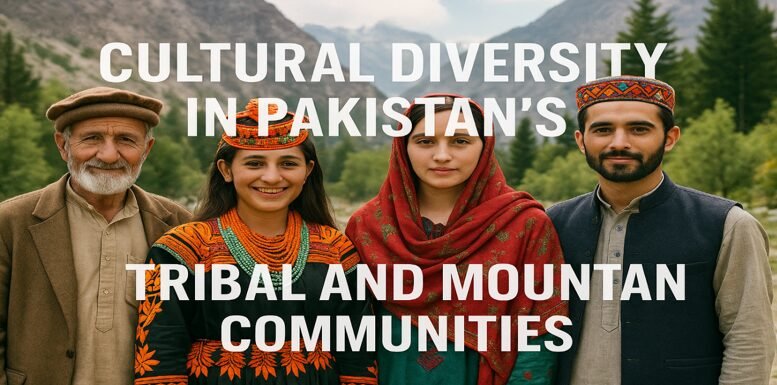
Pakistan is a land of remarkable cultural richness, and nowhere is this diversity more vivid than in its tribal and mountain communities. Nestled within rugged landscapes, remote valleys, and towering peaks, these communities have preserved centuries-old traditions, languages, and social structures that continue to shape the country’s cultural identity. From the tribal belts of Khyber Pakhtunkhwa to the mountainous regions of Gilgit-Baltistan and Balochistan, Pakistan’s highland societies represent a unique blend of history, resilience, and cultural pride.
This article explores the cultural diversity of Pakistan’s tribal and mountain communities, highlighting their traditions, languages, lifestyles, and the challenges they face in a rapidly modernizing world.
Geographic and Cultural Significance of Mountain and Tribal Regions
Pakistan’s tribal and mountainous regions cover a vast area, including Khyber Pakhtunkhwa, the former Federally Administered Tribal Areas (FATA), northern Punjab’s hill tracts, Gilgit-Baltistan, Azad Jammu and Kashmir, and large parts of Balochistan. These regions are defined not only by their challenging terrain but also by their strong sense of identity and community cohesion.
Geographical isolation has played a crucial role in preserving distinct cultural practices. Limited external influence allowed tribal and mountain societies to maintain traditional governance systems, indigenous languages, and social customs that differ significantly from urban and plains-based cultures.
Tribal Communities and Their Cultural Heritage
Pashtun Tribal Culture
The Pashtun tribes, primarily residing in Khyber Pakhtunkhwa and former FATA, are among the most well-known tribal groups in Pakistan. Their social life is governed by Pashtunwali, a traditional code of conduct emphasizing honor, hospitality, bravery, and justice.
Key cultural features include:
- Jirga system for conflict resolution
- Strong emphasis on family honor and loyalty
- Traditional attire such as the shalwar kameez with waistcoat and turban
- Folk music, poetry, and dances like the Attan
Pashtun culture values oral traditions, with poetry serving as a powerful medium for storytelling, resistance, and emotional expression.
Baloch Tribal Society
The Baloch people inhabit the vast and rugged landscapes of Balochistan. Their tribal structure is deeply rooted in loyalty to clan leaders known as sardars. Baloch culture is marked by simplicity, hospitality, and a strong sense of independence.
Cultural characteristics include:
- Traditional Balochi dress and embroidery
- Epic poetry narrating tales of bravery and sacrifice
- Folk music using instruments such as the dambura
- Nomadic and semi-nomadic lifestyles in rural areas
Despite economic challenges, Baloch tribal communities have preserved their cultural identity through strong kinship bonds and oral history.
Mountain Communities of Northern Pakistan
Gilgit-Baltistan: A Mosaic of Cultures
Gilgit-Baltistan is one of Pakistan’s most culturally diverse regions, home to numerous ethnic groups including Shina, Balti, Burusho, Wakhi, and Khowar-speaking communities. Each group possesses its own language, traditions, and customs.
Notable cultural elements include:
- Distinct local languages and dialects
- Traditional stone and wood architecture
- Festivals celebrating harvests and seasonal change
- Music and dance reflecting Central Asian and Tibetan influences
The Burusho people of Hunza are particularly known for their communal harmony, longevity traditions, and peaceful social structure.
Kalash Community: A Unique Cultural Identity
The Kalash people of Chitral represent one of the most distinctive cultural groups in Pakistan. Known for their ancient polytheistic beliefs, colorful attire, and vibrant festivals, the Kalash culture stands apart from surrounding communities.
Key aspects of Kalash culture include:
- Festivals such as Chilam Joshi and Uchal
- Elaborate beadwork and traditional clothing
- Nature-centered belief system
- Rich oral traditions and folk songs
Despite being a small community, the Kalash play a significant role in showcasing Pakistan’s cultural diversity on a global scale.
Languages and Oral Traditions
One of the most defining aspects of Pakistan’s tribal and mountain communities is linguistic diversity. Dozens of indigenous languages and dialects are spoken, many of which are not widely written but preserved through oral storytelling.
Languages such as Pashto, Balochi, Shina, Balti, Wakhi, and Brahui carry centuries of history, folklore, and wisdom. Oral traditions, folk songs, and poetry remain vital tools for passing cultural knowledge from one generation to the next.
Social Values and Community Life
Community cohesion lies at the heart of tribal and mountain societies. Collective decision-making, respect for elders, and shared responsibilities define daily life. Hospitality is a deeply respected value, and guests are treated with honor regardless of their background.
Traditional gender roles remain prominent in many areas, though gradual change is emerging through education and exposure to modern influences.
Challenges to Cultural Preservation
Despite their rich heritage, Pakistan’s tribal and mountain communities face several challenges:
- Modernization and urban migration
- Decline of indigenous languages
- Economic marginalization
- Climate change affecting mountain livelihoods
While development has improved access to education and healthcare, it has also introduced pressures that threaten traditional lifestyles and cultural continuity.
The Importance of Cultural Preservation
Preserving the cultural diversity of Pakistan’s tribal and mountain communities is essential for maintaining the nation’s historical depth and social harmony. Sustainable tourism, cultural documentation, language preservation initiatives, and inclusive development policies can help protect these traditions while improving quality of life.
Recognizing and respecting these communities not only strengthens national unity but also enhances Pakistan’s image as a culturally rich and diverse country.
Conclusion
Cultural diversity in Pakistan’s tribal and mountain communities is a testament to the country’s complex history and resilient spirit. These communities, shaped by geography, tradition, and collective values, contribute immensely to Pakistan’s cultural mosaic. As the nation moves forward, safeguarding this heritage must remain a priority—ensuring that the voices, traditions, and identities of these unique societies continue to thrive for generations to come.


