
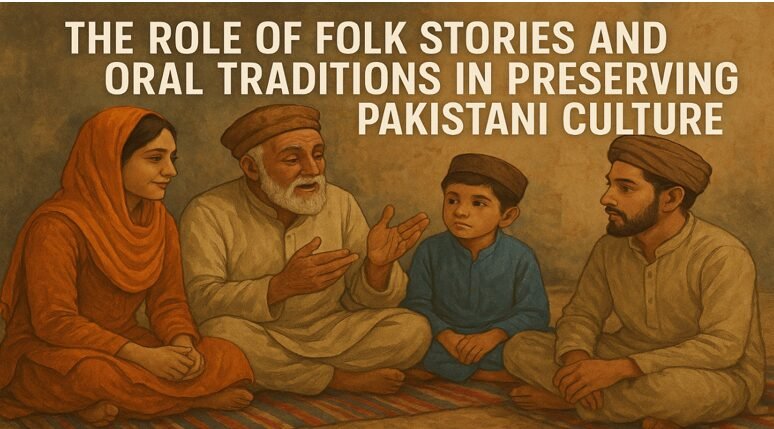
Folk stories and oral traditions hold a distinguished place in shaping and safeguarding Pakistan’s cultural identity. Long before the age of digital media, these narratives travelled from village courtyards to bustling city gatherings, carrying within them the values, wisdom, and historical memory of diverse communities. Today, they continue to serve as a bridge between generations, ensuring that Pakistan’s cultural heritage remains vibrant and intact.
The Timeless Significance of Oral Traditions in Pakistan
Pakistan’s cultural landscape is rich with folklore that reflects its linguistic diversity, regional customs, and collective experiences. Whether shared around a fire in rural Punjab or narrated during evening gatherings in Sindh, these oral traditions preserve the essence of community bonding.
Cultural Continuity Across Generations
Oral traditions maintain a direct link between the past and the present. They allow younger generations to understand how their ancestors lived, loved, celebrated, and struggled. Through simple storytelling, values such as hospitality, courage, honesty, and respect are embedded naturally into the social fabric.
Reflection of Regional Diversity
Each province contributes its own gems to Pakistan’s folklore:
- Punjab’s tales of Heer Ranjha and Sassi Punnu echo themes of love and sacrifice.
- Sindh’s stories of Umar Marvi and Momal Rano depict bravery and loyalty.
- Khyber Pakhtunkhwa’s heroic folktales highlight valor and community honor.
- Balochistan’s oral heritage emphasizes dignity, resilience, and tribal pride.
These stories reveal a Pakistan that is diverse yet united under shared ideals.
Folk Stories as Carriers of Moral and Social Lessons
Pakistani folktales rarely exist without a lesson. They serve as informal education systems, especially in rural communities where storytelling remains a treasured pastime.
- Moral teachings: Wisdom tales teach virtues such as patience, kindness, and justice.
- Community guidelines: They subtly address social norms, family roles, and community expectations.
- Historical context: Many stories are rooted in real events, offering insights into regional history and cultural evolution.
This gentle form of teaching keeps cultural values alive without structured instruction.
Preservation of Languages and Dialects
Pakistan’s linguistic richness—Punjabi, Sindhi, Pashto, Balochi, Saraiki, Hindko, and others—thrives significantly because of oral traditions. Storytellers, musicians, and poets pass down not only stories but also idioms, expressions, and accents unique to each region.
These oral practices protect languages from fading and promote pride in linguistic heritage, especially among younger generations who may be leaning toward more global languages.
Strengthening Community Bonds
Storytelling remains a communal activity in many parts of Pakistan. Village elders, local bards, and traditional performers like qissa khwans or dastango bring people together through shared narration.
Such gatherings foster unity, empathy, and understanding within communities. They provide spaces where collective memories are celebrated, reinforcing a sense of belonging and cultural pride.
Modern Revival of Folk Traditions
In recent years, efforts to preserve folk stories have gained momentum through:
- Cultural festivals celebrating traditional storytellers
- Digital storytelling platforms and YouTube channels
- School programs that highlight regional folklore
- Research projects documenting oral histories
- Media adaptations through theatre, television, and film
These initiatives ensure that the wisdom and beauty of oral traditions remain relevant in modern society.
Conclusion
Folk stories and oral traditions are the heartbeat of Pakistani culture. They hold the power to educate, inspire, and preserve the nation’s collective identity. By keeping these narratives alive, Pakistan not only honors its past but also strengthens its cultural foundation for future generations.
Investing in the preservation and promotion of these traditions is essential to safeguarding the country’s diverse cultural heritage.


