
Introduction
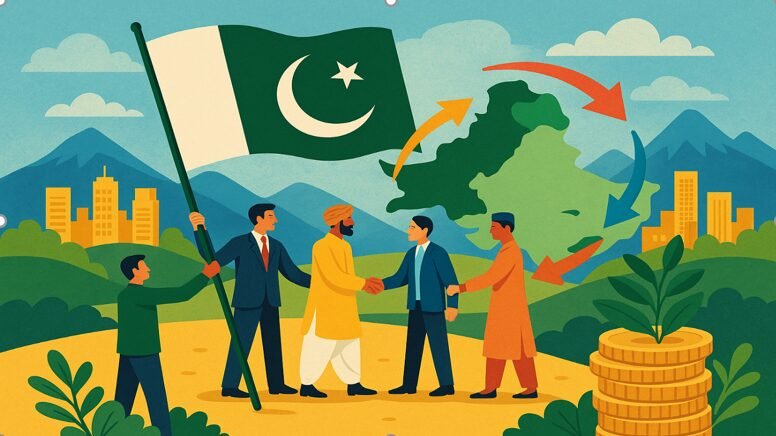
Regional cooperation has emerged as a vital component for sustainable economic growth and political stability in today’s interconnected world. For Pakistan, strengthening regional ties offers immense opportunities to enhance trade, security, and development. As a strategically located nation linking South Asia, Central Asia, and the Middle East, Pakistan stands to gain significantly from active engagement in regional cooperation initiatives.
The Role of Regional Cooperation in Economic Growth
Regional cooperation promotes shared prosperity by encouraging trade, investment, and connectivity among neighboring countries. For Pakistan, partnerships with regional blocs such as SAARC (South Asian Association for Regional Cooperation), ECO (Economic Cooperation Organization), and SCO (Shanghai Cooperation Organization) can open new avenues for exports, energy exchange, and technology transfer.
By improving trade routes and reducing barriers, Pakistan can increase exports of textiles, agriculture, and manufactured goods to nearby markets like China, Iran, Afghanistan, and the Central Asian Republics. Enhanced trade can create jobs, strengthen industries, and improve the overall balance of payments.
Energy and Infrastructure Connectivity
Pakistan’s growing economy requires a stable energy supply and robust infrastructure. Regional cooperation projects such as CPEC (China-Pakistan Economic Corridor) and TAPI (Turkmenistan-Afghanistan-Pakistan-India Gas Pipeline) are transformative initiatives that can help address these needs.
Through these collaborations, Pakistan not only benefits from energy imports but also becomes a crucial transit hub connecting Central Asia to the Arabian Sea. Improved transport networks and cross-border energy pipelines contribute directly to Pakistan’s long-term development and regional integration.
Peace, Security, and Regional Stability
Economic development cannot occur without regional peace and security. Cooperation among neighboring countries can help combat terrorism, human trafficking, and drug smuggling — challenges that threaten the stability of the entire region.
Through diplomatic dialogue and joint security mechanisms, Pakistan can foster mutual trust and ensure a peaceful environment conducive to trade and investment. Regional stability strengthens investor confidence and creates conditions for sustainable growth.
The Role of Regional Organizations
Pakistan’s active participation in regional platforms like SAARC, SCO, and ECO allows it to promote dialogue, resolve conflicts, and advance shared economic interests. These organizations provide opportunities to collaborate on education, technology, environment, and healthcare — areas that directly impact human development and social well-being.
Challenges and the Way Forward
While the benefits of regional cooperation are clear, several challenges hinder progress. Political tensions, lack of trust, and protectionist policies often obstruct regional trade and collaboration. Pakistan must therefore focus on confidence-building measures, economic diplomacy, and infrastructure development to strengthen its regional ties.
Promoting people-to-people connections, academic exchanges, and cross-border cultural events can also enhance understanding and cooperation among neighboring nations.
Conclusion
Regional cooperation is not merely an option but a necessity for Pakistan’s long-term prosperity. By deepening its economic and political partnerships with neighboring countries, Pakistan can transform itself into a hub of trade, energy, and innovation in Asia. Collaborative efforts in peace, development, and connectivity will pave the way for a more stable, prosperous, and globally integrated Pakistan.


