
Introduction
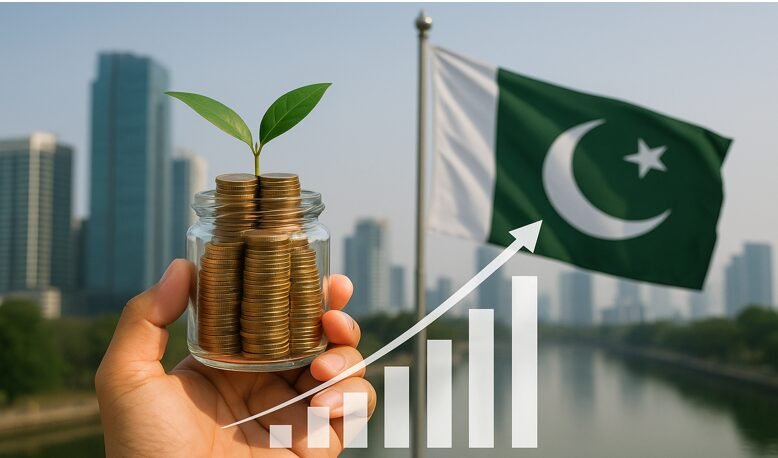
Political stability is the cornerstone of a thriving economy. In Pakistan, the link between political certainty and investor confidence is undeniable. Whether domestic or foreign, investors seek environments where government policies are consistent, economic reforms are predictable, and the rule of law is respected. This article explores how political stability—or the lack thereof—shapes investment confidence in Pakistan’s growing yet volatile market.
The Connection Between Political Stability and Investment
Political stability creates an environment of trust, transparency, and predictability—key factors that drive business growth. When governments are stable, policies remain consistent, and investors can plan long-term strategies without fear of abrupt changes.
In contrast, frequent political unrest, leadership transitions, or policy reversals can discourage both local entrepreneurs and foreign investors. A stable political climate enhances the credibility of financial institutions, encourages foreign direct investment (FDI), and ensures the continuity of infrastructure and industrial projects.
Historical Perspective: Lessons from the Past
Pakistan’s economic history reflects how politics directly influence investment patterns. Periods of political turmoil—such as sudden government changes or prolonged protests—have often led to market uncertainty and slowed economic progress. Conversely, times of relative stability, such as during focused economic reform programs, have seen a rise in FDI and private sector activity.
For instance, in years when governance improved and reforms were implemented consistently, sectors like real estate, manufacturing, and technology experienced significant growth. The China-Pakistan Economic Corridor (CPEC) is a prime example where political alignment and policy continuity attracted billions in infrastructure investment.
Investor Confidence and Economic Policy
Investors prioritize countries with transparent policies, predictable taxation systems, and efficient bureaucracies. Political stability enables governments to focus on these essentials, boosting investor confidence.
Stable governments are also better positioned to negotiate international trade agreements, secure favorable investment terms, and maintain diplomatic relations that facilitate cross-border investments. Moreover, policy continuity—particularly in taxation, trade, and energy—encourages reinvestment and expansion by existing investors.
Impact on Key Sectors
Political stability influences several of Pakistan’s major investment sectors:
- Real Estate and Construction: Predictable regulations and infrastructure projects thrive in stable environments. Investors in mega housing projects, industrial zones, and smart cities prefer long-term political consistency.
- Energy and Manufacturing: These sectors require large-scale investments and long payback periods. Political certainty ensures uninterrupted project completion and return on investment.
- Technology and Startups: A supportive and stable government encourages innovation, digital transformation, and venture capital growth.
Foreign Direct Investment (FDI) Trends
According to recent economic analyses, Pakistan’s FDI inflows have fluctuated in line with political developments. When governance improved and reforms targeted economic liberalization, inflows surged. Conversely, uncertainty and frequent policy changes led to capital flight and hesitation among foreign investors.
A politically stable environment signals to international investors that Pakistan is committed to growth, transparency, and reform. This perception not only attracts new investments but also helps retain existing ones.
The Way Forward: Building Confidence Through Governance
For Pakistan to strengthen its position as a competitive investment destination, the following steps are essential:
- Policy Continuity: Regardless of political shifts, economic and trade policies should remain stable and transparent.
- Institutional Strengthening: Enhancing the independence and efficiency of regulatory bodies can reduce political interference.
- Public-Private Partnerships: Collaboration between the government and the private sector fosters mutual confidence and shared growth.
- Legal Reforms: Ensuring investor protection through enforceable contracts and efficient dispute resolution mechanisms will further solidify confidence.
Conclusion
Political stability serves as the foundation for sustainable economic growth and investment confidence in Pakistan. As the country continues its journey toward economic modernization, consistent governance, transparent policymaking, and institutional reforms will be vital. A stable political environment not only enhances Pakistan’s global image but also attracts the investment needed to drive long-term prosperity.


